








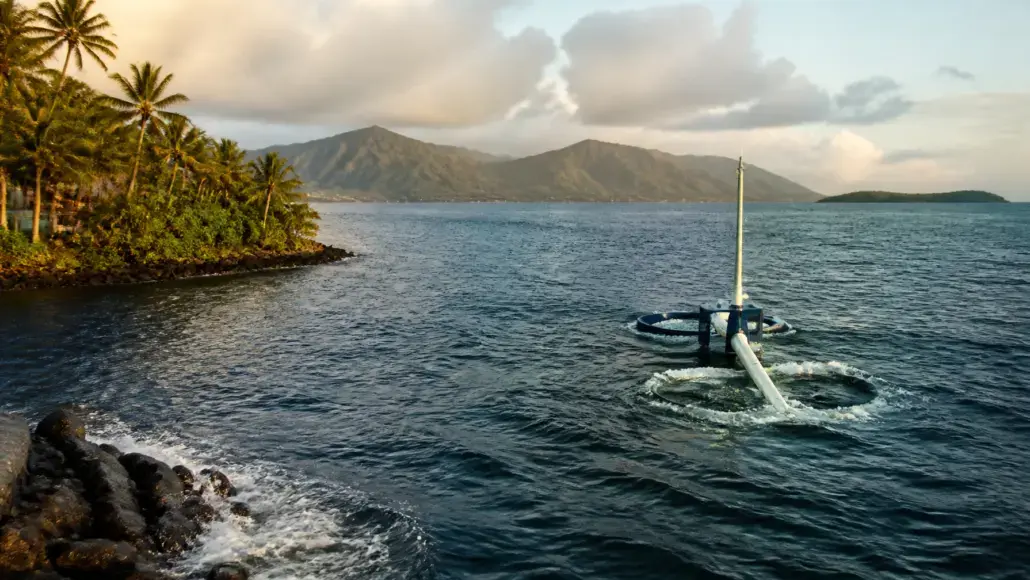
For many of the world’s remote islands and Small Island Developing States (SIDS), energy security is not a theoretical concern but a daily struggle for economic survival. Heavily dependent on imported fossil fuels—primarily diesel and heavy fuel oil (HFO)—these regions face some of the highest electricity prices globally, often ranging from $0.35 to over $0.80 per kilowatt-hour. This reliance also leaves them acutely vulnerable to international supply chain disruptions, geopolitical price volatility, and the increasing frequency of extreme weather events. While solar and wind have made important inroads, the limited land area and the sensitivity of terrestrial ecosystems in island environments often restrict their scale. In this context, marine energy for islands represents a transformative solution, providing a consistent, high-density, and localized power source that can lead the way toward true fuel independence and long-term resilience.
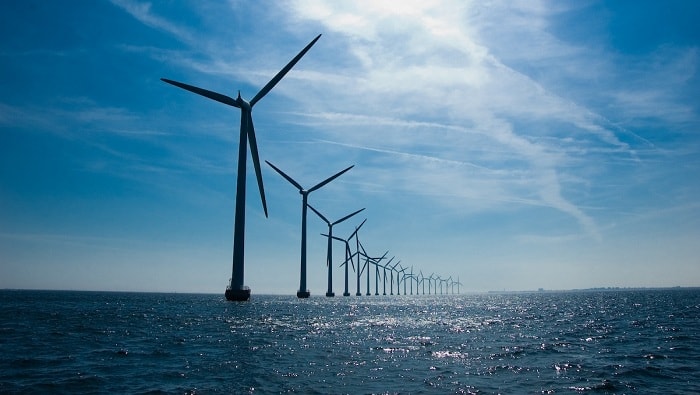
PowerGen Advancement highlights that the resource potential of marine energy for islands is exceptionally high, as most island nations are surrounded by vast, high-energy ocean areas. Unlike terrestrial renewables, marine energy infrastructure can be located offshore, preserving precious land for agriculture, tourism, and habitat conservation. By tapping into consistent ocean swell, predictable tidal streams, and deep-water thermal gradients, islands can build a resilient energy backbone that is less susceptible to the land-use conflicts and visual impacts that can sometimes stall onshore developments.
Technical Modalities: From Waves to Thermal Gradients
The implementation of marine energy for islands involves a diverse range of technical modalities tailored to the specific oceanographic conditions of each region. Wave energy converters (WECs), such as point absorbers and oscillating water columns (OWCs), are particularly well-suited for capturing the constant ocean swell that surrounds many Pacific and Atlantic island chains. In regions with narrow straits or reefs, like the Caribbean or the Indian Ocean, tidal stream turbines can provide perfectly predictable, high-capacity-factor power that is independent of the weather. However, for many tropical islands, the most promising long-term baseload solution is Ocean Thermal Energy Conversion (OTEC).
OTEC harnesses the temperature difference between warm surface waters (~25–28°C) and the cold deep ocean (~4–5°C at 1,000 meters) to drive a thermodynamic cycle. Because this thermal gradient is available 24/7, OTEC can provide continuous, non-intermittent power, making it a direct and stable replacement for diesel generators. Furthermore, OTEC systems can be designed for multi-resource output: the cold deep-sea water can be used for District Cooling (SWAC), high-nutrient mariculture, and even the co-generation of desalinated drinking water. This multi-value approach is essential for making marine energy projects economically viable in small-scale island markets.
Hybrid Microgrids and the Role of Energy Storage
The successful integration of marine energy for islands requires a sophisticated approach to microgrid management and power electronics. Because island grids are typically small and isolated, they are highly sensitive to sudden fluctuations in power supply or demand. To maintain frequency and voltage stability, marine energy must be combined with localized Battery Energy Storage Systems (BESS) and advanced Grid-Forming Inverters (GFM). These systems provide synthetic inertia, allowing the microgrid to respond to transients just as a large-scale national power plant would.
Furthermore, the predictability of tidal and wave energy allows for highly efficient hybrid configurations. By combining marine hydrokinetic power with solar PV and wind, islands can smooth their total generation profile throughout the day and night. During periods of excess production, the surplus energy can be diverted to productive loads such as seawater desalination plants, electric vehicle charging, or ice production for local fishing fleets. This integrated approach ensures that marine energy for islands provides more than just electricity; it becomes the catalyst for a holistic and sustainable development model that enhances the local quality of life and reduces the carbon footprint of the entire island.
Coastal Defence and Dual-Use Infrastructure
A critical innovation in the marine energy for islands sector is the development of dual-use infrastructure that shares the high costs of maritime construction. For example, nearshore OWC systems, like the UniWave 200, can be integrated into harbor breakwaters or coastal defense structures. These power-generating breakwaters serve a dual function: they produce clean electricity while simultaneously providing the essential protection against storm surges and rising sea levels that are critical for island resilience in the face of climate change. By sharing the civil engineering costs with port authorities or government agencies, the energy utility can significantly lower the Levelized Cost of Energy (LCOE) of the project.
These integrated structures also minimize the environmental impact and the visual footprint of the energy system, helping to maintain the aesthetic value that is so vital for island tourism. The use of advanced marine energy materials, such as non-corrosive composites and biomimetic coatings, ensures that these structures remain durable and require minimal maintenance over their 20- to 25-year service life, providing a long-term safety net for the community.
Overcoming Logistical and Financial Hurdles
Despite the high resource potential, the deployment of marine energy for islands faces significant logistical and financial challenges that require specialized solutions. Remote locations often lack the specialized heavy-lift vessels, subsea ROVs, and marine engineering expertise needed for traditional offshore installations. This has driven the development of modular and light-intervention designs that can be installed and maintained using local workboats and smaller cranes. By reducing the reliance on external marine contractors, island nations can lower their operational expenses (OPEX) and build a localized maritime service industry, creating high-skill jobs for the local population.
From a financial perspective, the higher initial capital expenditure (CAPEX) of marine energy compared to solar or wind remains a hurdle for many SIDS. However, when evaluated on a total cost of ownership basis—accounting for the avoided costs of imported diesel, the environmental benefits of carbon reduction, and the long-term gains in energy security—the investment becomes far more compelling. The use of innovative financing mechanisms, such as blue bonds, specialized climate finance, and energy-as-a-service models, is essential for de-risking these projects and attracting the necessary private investment to scale the technology across the world’s island chains.
Strategic Imperatives for Island Energy Independence
The transition to marine-powered island systems is a vital step toward global energy equity, climate resilience, and sustainable development. For island communities, the goal is to turn the surrounding ocean from a logistical challenge into a source of infinite, clean, and reliable energy.
Marine energy for islands is the most viable and resilient path toward achieving long-term energy security and fuel independence for remote and coastal communities. By integrating wave, tidal, and OTEC technologies into smart hybrid microgrids, islands can displace expensive diesel imports, reduce their carbon emissions, and build a sustainable blue economy. The success of this transition depends on the adoption of dual-use infrastructure, the development of localized marine engineering capabilities, and the implementation of advanced grid-forming power electronics.
To lead in this sector, global stakeholders must prioritize the development of modular, easily maintainable technologies and the creation of specialized financing frameworks tailored to the unique needs of island-scale projects. The move toward marine renewable energy is not just a technological shift; it is a fundamental requirement for the economic and environmental survival of many island nations in a changing climate. By investing in marine energy for islands today, the global community can demonstrate the power of ocean-based solutions in the fight for a sustainable and equitable future for all. The transformation of remote island energy systems is a microcosm of the global energy transition.
PowerGen Advancement believes that by proving that high-density marine resources can reliably and affordably power isolated grids, we are creating a blueprint for the sustainable development of coastal regions everywhere. The ocean, once seen as a barrier to development and a source of vulnerability, is now being reclaimed as the greatest asset for island nations, providing the clean energy and economic security needed to thrive in a changing world.