

















Iraq is implementing an extensive energy strategy designed to address mounting electricity deficits ahead of the summer of 2027. The initiative combines strategic electricity imports from neighboring nations with substantial increases in domestic power generation capacity, marking a decisive shift in how the country manages its energy infrastructure.
The Prime Minister’s Media Office announced on 15th August 2026 that the government has prioritized electricity supply enhancement through dual mechanisms: importing significant volumes of power from adjacent countries while simultaneously expanding internal production facilities. This multifaceted approach reflects the urgency of addressing a persistent energy crisis that has strained the nation’s economy and daily operations.
Government Targets Substantial Capacity Growth
Iraq’s Prime Minister Ali al-Zaidi has directed the Ministry of Electricity to execute a comprehensive modernization program. Key directives include the procurement of at least 10,000 megawatts of electricity import from neighboring nations and the maintenance of existing infrastructure to prevent further deterioration.
The overall production target for the coming year stands at 37,000 megawatts, distributed across multiple energy sources. This includes 15,000 megawatts generated through projects undertaken by General Electric, 12,000 megawatts derived from solar energy installations, and 10,000 megawatts produced by thermal power plants. These diversified electricity imports and local generation sources aim to stabilize the grid and improve operational reliability.
Regional Interconnection Framework Strengthens Supply Routes
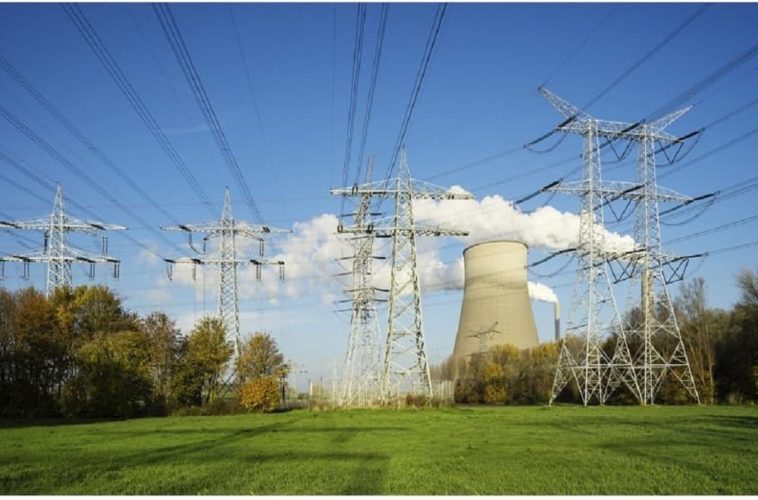
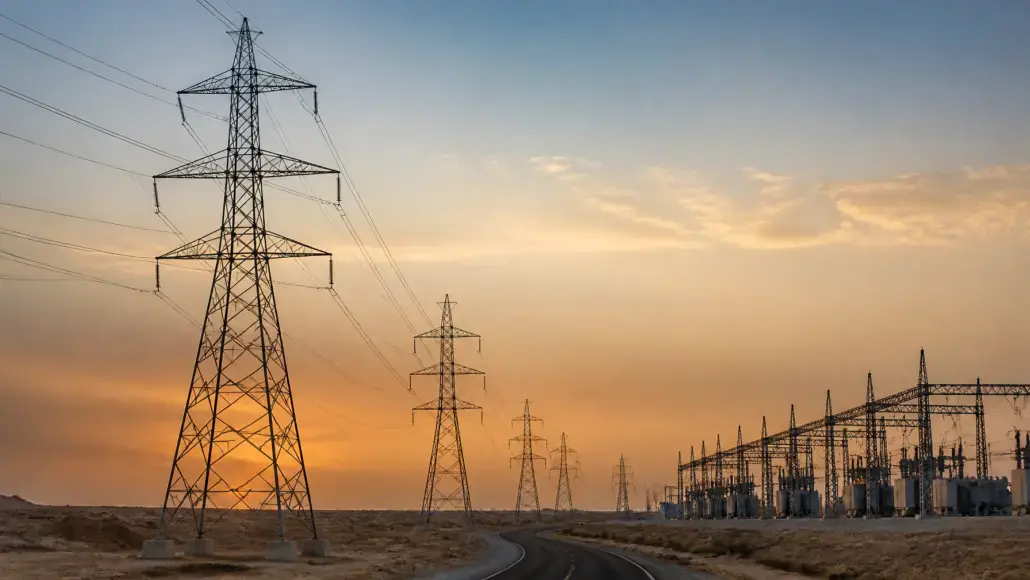
Cross-border electricity imports play a vital role in Iraq’s energy security strategy. The nation has established interconnection agreements with multiple neighboring countries to diversify its electricity imports and reduce dependency on any single source.
The existing electrical interconnection infrastructure includes a 150-megawatt project with Jordan, which will be expanded to 400 megawatts in the near term. Additionally, Iraq maintains a 600-megawatt electricity import link with Turkey and a 120-megawatt connection with the Kurdistan region. These interconnections represent critical pathways for stabilizing the nation’s electrical grid during periods of peak demand.
The Scale of Current Supply-Demand Imbalance
Iraq’s electricity deficit reflects systemic challenges within the country’s energy infrastructure. The grid experiences a daily shortage exceeding 35,000 megawatts, driven by constrained fuel availability at power plants and reduced external electricity import from certain suppliers. In early August 2026, actual production capacity reached only 24,600 megawatts—far below minimum requirements.
Summer demand patterns intensify this crisis, with consumption fluctuating between 55,000 and 60,000 megawatts during peak months. This substantial gap between supply and demand directly causes widespread power outages and operational disruptions across residential, commercial, and industrial sectors.
Gas Supply Constraints and Regional Dependencies
Domestic electricity imports from Iran constitute a cornerstone of Iraq’s current energy strategy. Gas supplies from Iran average approximately 20 million cubic meters daily, providing essential fuel for power generation facilities. By combining electricity imports with new generation projects, Iraqi authorities aim to ensure adequate power availability throughout the challenging summer season while working toward sustained grid stability and reduced operational outages.