


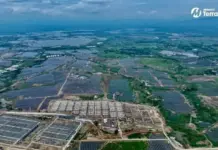




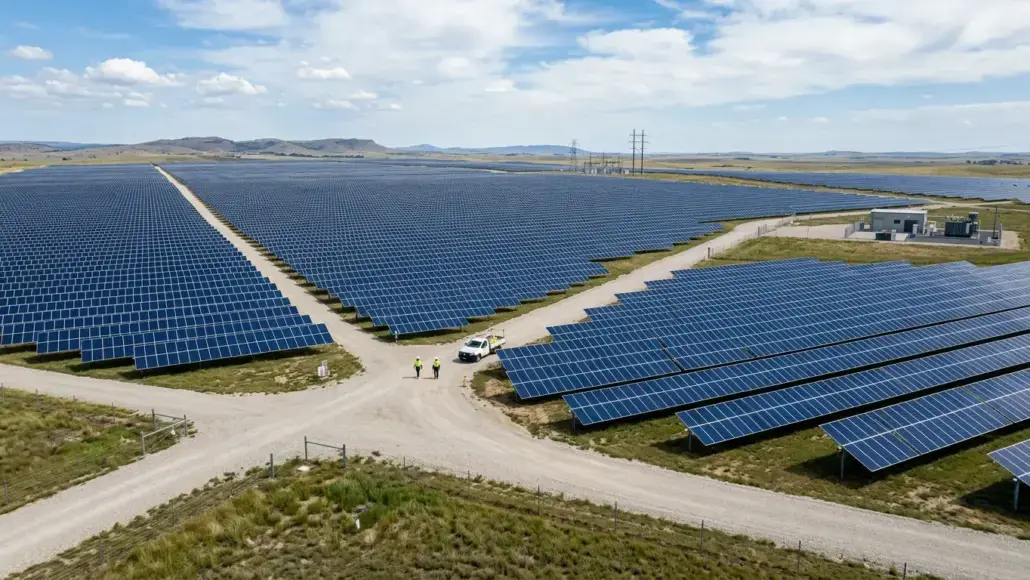
Kuwait is poised to make a significant advancement in its clean energy transition, with the winning bidder for its substantial 1.1 GW solar project anticipated to be announced in June 2026. This ambitious undertaking, encompassing both the Al Dibdibah Power Project and the Al Shagaya Renewable Energy Project Phase III – Zone 1, is designed to substantially bolster Kuwait’s renewable energy capacity and reduce its reliance on traditional fossil fuels.
The tender process for this 1.1 GW solar project has been a multi-month endeavor. The Kuwait Authority for Partnership Projects (KAPP) initiated the procurement by releasing the Request for Proposal in June 2025. An initial submission deadline of September 2025 was later extended to January 2026, a decision made to provide prospective developers with additional time for thorough technical and financial preparations for the large-scale solar power project.
Currently, Kuwaiti authorities are in the process of evaluating the technical proposals submitted by the various consortiums. Following this review, the next stage will involve the opening of financial bids. Reports indicate that out of an initial nine prequalified consortiums, three prominent international groups remain in contention for this significant Kuwait solar project. These leading contenders are spearheaded by major players in the renewable energy sector, namely ACWA Power, Masdar, and EDF Renewables. The selected developer will play a crucial role in expanding Kuwait’s renewable energy infrastructure through a public-private partnership framework.
This 1.1 GW solar project is a cornerstone of Kuwait’s broader strategy to diversify its energy portfolio and enhance energy security. Complementing this development, the Ministry of Electricity and Water is actively pursuing additional renewable energy projects. The ministry is also expected to finalize the bidding process for the second phase of the Shagaya expansion, which aims to add another 500 MW of renewable energy capacity. Furthermore, Kuwait is reviewing timelines for major integrated water and power initiatives, including Al Khairan Phase I, with bid submission deadlines reportedly extended to late May 2026. These adjustments are strategically implemented to foster greater competition and ensure the receipt of robust project proposals from developers.
The nation’s intensified focus on renewable energy aligns with its ongoing efforts to address rising electricity demand, driven by population growth and increasing summer temperatures. In recent years, the strain on the national power grid has occasionally led to scheduled power interruptions. Through these renewable energy projects, Kuwait is committed to building a more dependable and sustainable electricity system, while simultaneously working towards its long-term objective of achieving net-zero carbon emissions by 2060.