




The First Steps into Clean Energy
Solar panels and wind turbines once felt like objects from a science fiction film. Now they stand near roads across fields and on rooftops. Clean energy has moved from rare experiments to daily life. Many people study these systems to understand how power can come from light and air instead of smoke and fuel. The topic feels vast at first yet the core ideas remain simple and clear.
An e library can turn that large subject into a smooth path. Many learners and academics select Z library as their main source for broad research on renewable power and energy systems. The platform gathers material on engineering climate science and modern infrastructure in one place. That mix helps readers connect theory with the world outside the window.
How Solar Energy Works
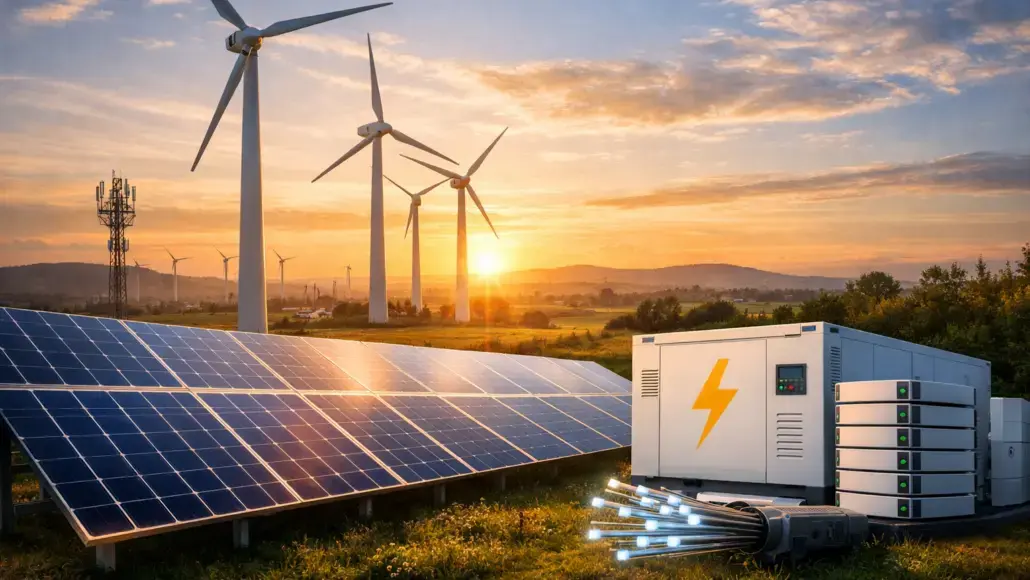
Solar energy starts with sunlight. Panels catch light and turn it into electricity through photovoltaic cells. Those cells act like tiny workers on a factory line. When sunlight strikes them electrons move and electric current begins to flow. Homes schools and public buildings can then use that power for lights heating and machines.
The idea may sound technical yet the rhythm behind it feels natural. Plants have used sunlight for ages. Solar systems follow a similar dance though wires and batteries replace leaves and roots. Many educational materials explain how energy storage supports solar systems during cloudy weather or at night. Step by step the subject becomes less like a maze and more like a map.
Several ideas often stand at the center of renewable energy study:
● Solar Panels and Daily Use
Solar panels now appear on homes farms and city offices. They reduce dependence on traditional fuel sources and lower long term energy costs. Many guides explain how panel angles battery systems and weather conditions shape performance. The topic also links with architecture because roof design affects energy collection. Reading about these systems often feels like opening the hood of a quiet machine and seeing every gear in motion.
● Wind Turbines and Air Movement
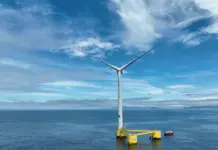
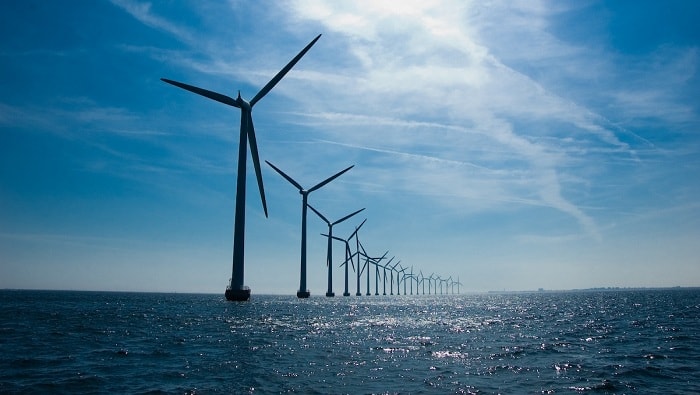
Wind turbines convert moving air into power. Large blades spin around a rotor which drives a generator. Coastal areas plains and open hills often provide ideal conditions because steady wind creates reliable energy flow. Educational texts describe how engineers measure wind speed and place turbines for better efficiency. Old windmills once pumped water across farms. Modern turbines continue that old story with stronger materials and larger scale.
● Energy Storage and Smart Systems
Renewable energy depends on storage as much as production. Batteries store excess electricity for later use during calm nights or cloudy days. Smart systems manage the flow of energy across homes and public networks. Many resources explain how software tracks demand and balances supply. The process resembles an orchestra where each instrument enters at the right moment to keep harmony alive.
That broad understanding helps connect separate ideas into one complete picture.
Why Wind Power Matters
Wind energy has become one of the fastest growing power sources across the world. Turbines create electricity without burning fuel and they often stand far from crowded cities. Their slow turning blades may seem calm yet they produce huge amounts of energy each day. Many researchers study wind farms because they reveal how engineering and nature can work side by side.
The study of renewable energy also reflects a cultural shift. Old factories once symbolized progress with smoke rising into the sky. Modern clean energy systems paint a different image. Rows of panels and towers now represent change in a quieter form. Like a folk song passed from one generation to another the ideas behind solar and wind power continue to spread through schools libraries and daily conversation.