








The global energy landscape is currently undergoing a transformative shift as the world prioritizes sustainability and carbon neutrality. Renewable energy, which is derived from natural resources that replenish themselves on a human timescale, such as sunlight, wind, geothermal heat, and tides, has moved from a secondary power source to the cornerstone of global power generation strategies. This Renewable Energy Market Report 2026 provides an in-depth analysis of the current market trajectory, emphasizing how technological innovation and declining costs are reshaping the sector’s future.
Market Valuation and Forecast Period (2026–2032)
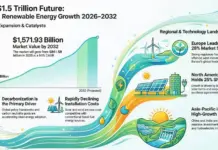
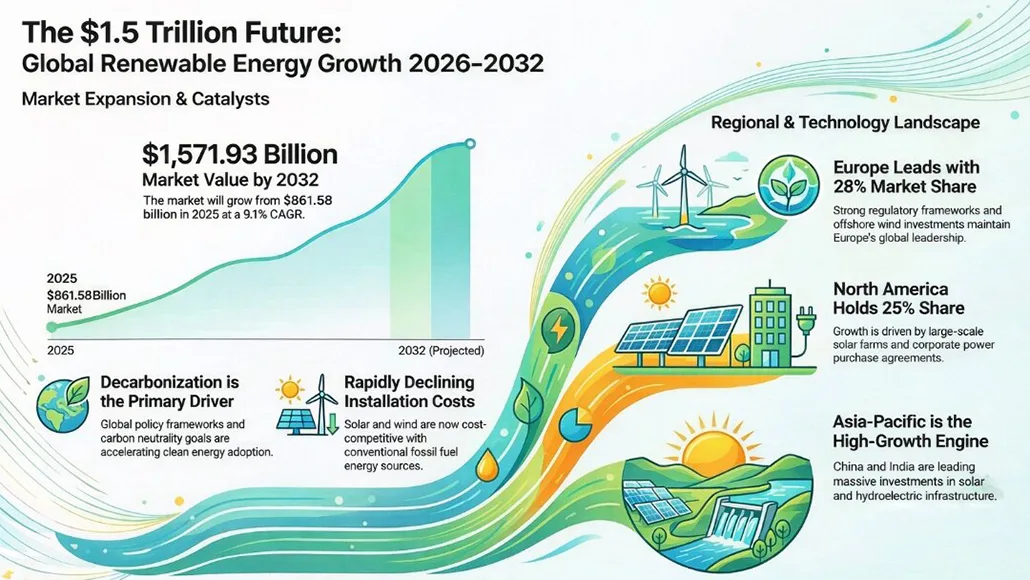
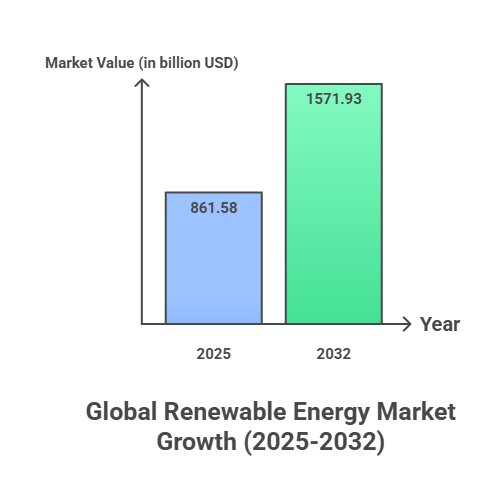
The financial trajectory of the global renewable energy sector remains exceptionally strong as industries and governments accelerate their transition toward low-carbon systems. As of the base year 2025, the global market was valued at approximately $861.58 billion. Driven by systemic shifts in energy procurement and infrastructure development, the market is projected to reach a significant valuation of $1,571.93 billion by 2032.
This growth represents a compound annual growth rate (CAGR) of 9.1% during the forecast period from 2026 to 2032. The sustained expansion is fueled by a combination of qualitative and quantitative factors, including rigorous climate commitments and a rapid increase in return rates for clean energy investments. The Renewable Energy Market Report 2026 highlights that these insights are essential for stakeholders to strengthen their competitive advantage and navigate the evolving regulatory landscape.
Primary Drivers of Market Expansion
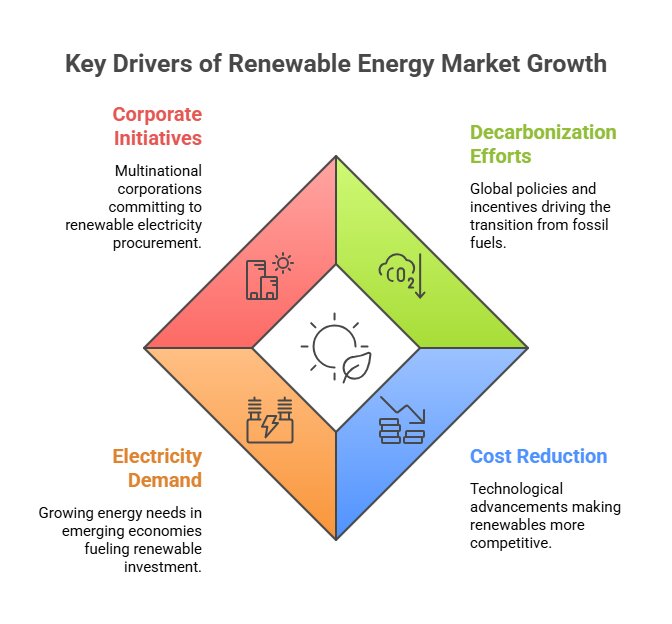
Several critical factors are propelling the renewable energy market toward its 2032 targets. The most prominent driver is the global push for decarbonization. Governments across the world are implementing robust policy frameworks, incentives, and subsidies to facilitate the transition away from fossil fuels and mitigate the impacts of climate change. By integrating renewable projects into national energy strategies, nations aim to enhance their energy security while meeting ambitious carbon neutrality goals.
Another pivotal factor is the significant reduction in the levelized cost of electricity (LCOE) for renewable technologies. Advances in manufacturing processes and the benefits of large-scale deployment have made solar photovoltaic (PV) and wind power systems increasingly competitive with conventional energy sources. This cost-effectiveness, combined with improved technological efficiency, has made renewables the preferred choice for new power capacity globally.
Furthermore, the rise in electricity demand stemming from rapid industrialization and urbanization, particularly in emerging economies, is necessitating a massive expansion of energy infrastructure. To ensure sustainable economic development, many of these regions are investing heavily in renewable capacity rather than traditional coal or gas plants.
Finally, corporate sustainability initiatives are playing a major role; a growing number of multinational corporations are committing to 100% renewable electricity procurement, which has led to a surge in renewable power purchase agreements.
Segmentation by Energy Type
The market is categorized into several core technologies, each exhibiting unique growth patterns and technological advancements.
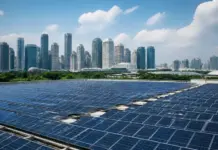
- Solar Energy: This segment is witnessing rapid adoption worldwide. The decline in installation costs and the versatility of solar applications from small-scale residential rooftops to massive utility-scale farms have made it a dominant force in the market.
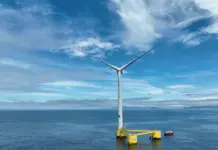
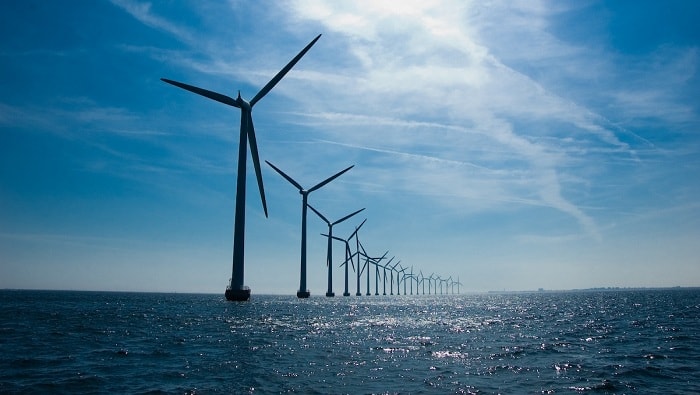
- Wind Energy: As one of the fastest-growing segments, wind energy is benefiting from the expansion of both onshore and offshore projects. Technological trends such as larger, more efficient turbines and the development of floating offshore platforms are expanding the potential for wind generation in deeper waters.
- Hydro & Ocean Energy: Hydropower remains one of the most established and reliable sources of renewable energy. Meanwhile, ocean energy technologies, including tidal and wave power, represent emerging frontiers with significant long-term potential.
- Bio-energy: This technology utilizes organic materials like agricultural waste and biomass to generate power. It provides a versatile solution for both electricity generation and heating, particularly in regions with high organic waste output.
- Geothermal and Others: The market also includes geothermal energy and other emerging renewable technologies that leverage heat from the earth’s core to provide stable, baseload power.
Application Insights: Industrial, Commercial, and Residential
The demand for renewable energy is distributed across diverse end-use sectors, each driven by specific sustainability and cost-saving goals.
- Industrial Sector: Many industries are adopting renewable power to lower their operational emissions and comply with tightening environmental regulations. Large-scale energy users are increasingly looking at onsite renewable generation or long-term procurement contracts to stabilize their energy costs.
- Commercial Sector: Businesses and commercial building operators are installing solar systems and purchasing clean electricity to reduce overhead and enhance their green credentials.
- Residential Sector: There is a notable trend toward rooftop solar installations and distributed energy generation among homeowners. This shift is often supported by government incentives and the desire for greater energy independence.
- Utility and Public Infrastructure: Utility-scale projects remain the backbone of the market, providing the large-scale capacity needed to power entire cities and national grids.
Regional Market Performance
The Renewable Energy Market Report 2026 identifies distinct regional dynamics that influence global growth.
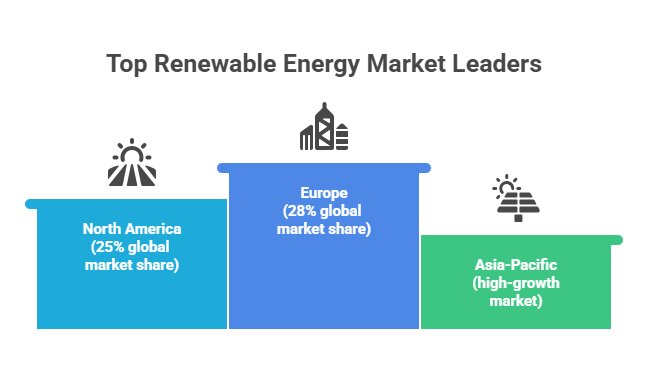
Europe currently leads the global market, accounting for approximately 28% of the market share. The region’s leadership is a result of long-standing environmental policies, supportive regulatory frameworks, and significant investments in large-scale offshore wind and solar infrastructure.
North America follows closely, holding nearly 25% of the global market share. Growth in this region is driven by large-scale solar farms, wind installations, and extensive grid modernization efforts, particularly in the United States and Canada. Corporate power purchase agreements are also a major driver of capacity expansion in this region.
The Asia-Pacific region is identified as a high-growth market. China remains a global leader in renewable investment, specifically in solar and hydroelectric projects. India is also rapidly expanding its capacity to meet its surging electricity demand and reach national clean energy targets.
Other regions, such as South America and the Middle East & Africa, are diversifying their energy portfolios. Countries like Brazil and various Gulf nations are launching substantial solar and wind projects to reduce their historical reliance on carbon-intensive energy sources.
Technological Trends and Innovation Shifts
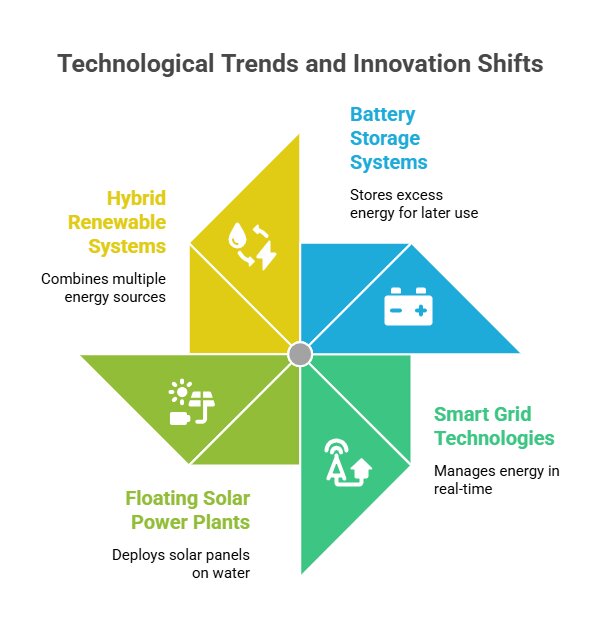
Innovation is a critical catalyst for the market’s evolution during the forecast period of 2026 to 2032. To address the inherent intermittency of solar and wind power, the integration of battery storage systems has become essential. These systems allow for the storage of excess energy produced during peak generation times for use when production is low, thereby enhancing grid stability.
Smart grid technologies and advanced digital monitoring are also playing a crucial role. These systems allow for real-time energy management and better integration of distributed energy resources, ensuring a more reliable and efficient power network.
Furthermore, emerging applications like floating solar power plants and hybrid renewable systems, which combine multiple energy sources like wind and solar, are opening new avenues for deployment in areas with limited land availability.
Strategic Market Analysis: Porter’s and PESTLE Perspectives
A thorough examination of the market involves various analytical models to understand the competitive and environmental landscape. The Renewable Energy Market Report 2026 utilizes Porter’s Five Forces to evaluate the bargaining power of suppliers and buyers, the threat of new entrants, and the intensity of competitive rivalry. The market remains fragmented, with numerous regional power producers and multinational energy companies vying for project pipelines.
Additionally, a PESTLE analysis (Political, Economic, Social, Technological, Legal, and Environmental) provides a holistic view of the external factors affecting growth. Politically, the emphasis is on national security and climate mandates. Economically, the focus remains on the declining LCOE and investment adoption models. Socially, there is an increasing public demand for clean energy, while technologically, the focus is on storage and grid efficiency.
Conclusion
The renewable energy market is poised for a decade of robust growth, with a clear trajectory toward a valuation of over $1.57 trillion by 2032. Driven by the urgent need for decarbonization, the declining costs of technology, and the rising global demand for electricity, renewable sources are becoming the dominant force in the global energy mix. As technological innovations in energy storage and grid management continue to mature, the sector will offer even greater reliability and efficiency, solidifying its role as the foundation of a sustainable global economy.