


The European Commission has introduced a new strategy designed to accelerate the development and deployment of Small Modular Reactors (SMRs) and Advanced Modular Reactors (AMRs) across Europe, outlining measures intended to bring the first SMR projects online by early 2030s. Presented under (COM/2026/117), the initiative highlights the role that emerging nuclear technologies could play in supporting the European Union’s goals for climate neutrality, energy security and industrial competitiveness. By advancing the first SMR projects, the Commission believes these technologies could stimulate integrated value chains spanning multiple EU countries and industries, positioning SMRs as one of Europe’s next major industrial development initiatives.
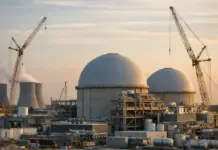
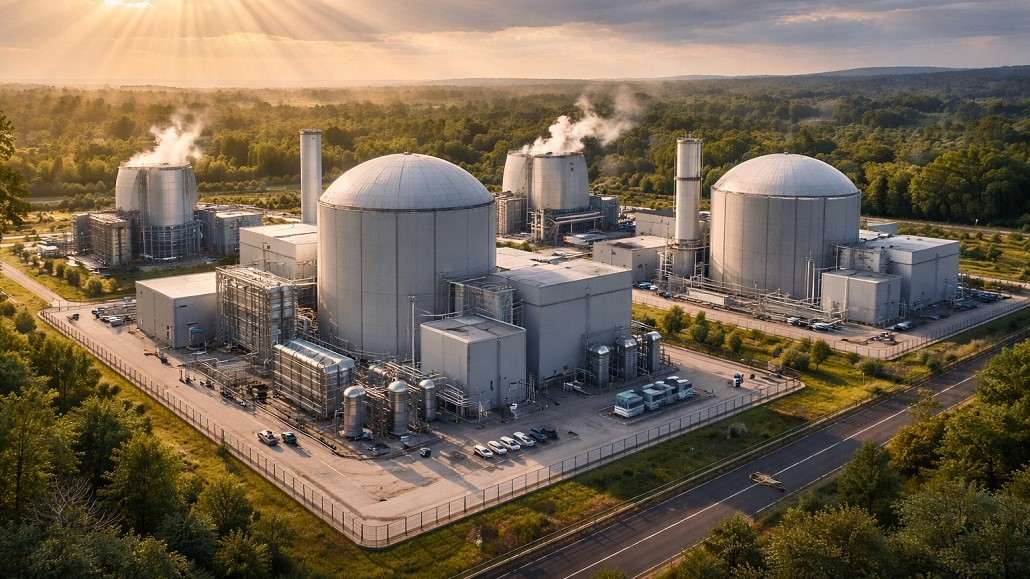
SMRs differ significantly from traditional nuclear reactors due to their smaller size and modular design. Unlike large-scale nuclear plants, SMR reactors or key components can be manufactured in factory settings and then transported to the project site for installation or final assembly. Through this approach, the Commission expects the technology to complement renewable energy sources while contributing to the decarbonisation of the power sector.
EU’s first SMR projects are also expected to deliver a range of low-carbon applications, including district heating, industrial heat, support for chemical industries and hydrogen production. In addition, SMRs could supply reliable electricity to high-demand sectors such as data centres. According to projections included in the Commission’s Nuclear Illustrative Programme (PINC) (COM/2026/120), total SMR capacity in the EU could reach between 17 GW and 53 GW by 2050.
To ensure the successful deployment of the first SMR projects, the strategy outlines a coordinated approach involving EU member states, industry stakeholders, regulators and investors. The aim is to prevent fragmentation, strengthen cooperation and accelerate the commercial rollout of SMR technologies. The European Industrial Alliance on SMRs is expected to play a central role in this process alongside interested EU countries. Key measures highlighted in the strategy include fleet-based industrial deployment models, deeper industrial cooperation and the creation of a competitive European supply chain that includes fuel cycle services. Industry participants are also encouraged to establish industrial standards that support modular manufacturing and a fleet-based approach, while ensuring strong local supply chains and significant European added value.
In addition, the strategy stresses the importance of research, innovation and workforce development to enable the successful delivery of first SMR projects and other early-stage technologies. Start-ups, scale-ups, research institutions and industry organisations are expected to contribute to bringing first-of-a-kind projects to market. To support deployment while maintaining high nuclear safety standards, the Commission is promoting closer regulatory cooperation, including joint early reviews and regulatory “sandboxes” under the Net-Zero Industry Act. The initiative also proposes the development of “SMR Valleys” to encourage collaboration in manufacturing and business development, along with the creation of a “SMR coalition” among interested EU countries to improve policy coordination. The strategy further suggests simplified administrative procedures for export controls related to SMR projects and emphasises protecting European intellectual property developed through these technologies.
Alongside the strategy, the Commission has also released the final Nuclear Illustrative Programme (PINC) (COM/2026/120), incorporating the Opinion of the European Economic and Social Committee of December 2025. The programme estimates that approximately €241 billion in investments will be required by 2050 to support EU countries’ nuclear ambitions, including extending the lifetime of existing reactors and building new large-scale facilities. PINC also highlights the need for further investment to unlock the potential of SMRs, AMRs and fusion technologies, contributing to a sustainable and secure long-term energy future across Europe.
.