







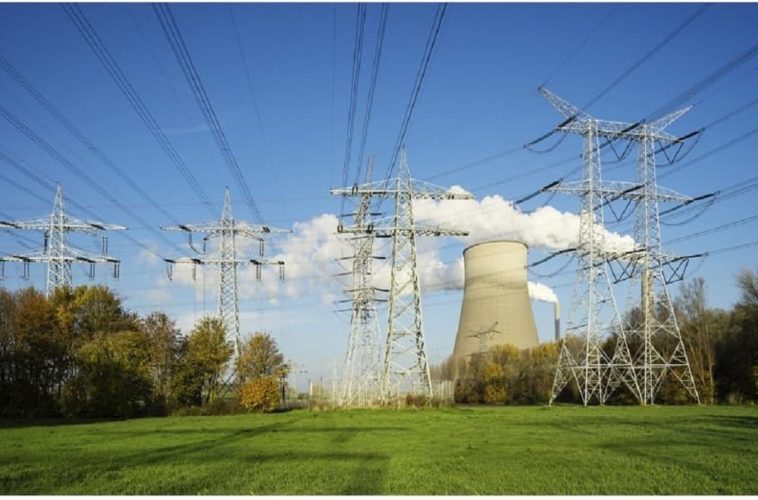




The high-voltage transmission grid is the backbone of the modern world, a continental-scale network that transports massive amounts of energy from distant power plants to the population centers where it is consumed. Protecting this vital infrastructure is a task of immense scale and complexity, requiring systems that can detect and isolate faults in less than 50 milliseconds to prevent widespread blackouts and catastrophic equipment damage. As we move through the 21st century, the field of high voltage grid protection is undergoing a rapid evolution, driven by the need to integrate renewable energy, improve grid resilience, and leverage the power of digital transformation.
Traditional protection methods, based on distance and differential logic, are being augmented and, in some cases, replaced by high voltage grid protection trends and innovations that offer unprecedented speed and accuracy. These advancements are not just incremental improvements; they represent a fundamental shift in how we understand the physics of a fault. From the use of light-speed traveling waves to the deployment of optical sensors that can measure voltage and current with laboratory-grade precision, the future of high-voltage protection is being built on a foundation of high-speed data and advanced physics-based algorithms.
The Rise of Traveling Wave Protection Technology
One of the most significant innovations in the high-voltage arena is the commercialization of traveling wave (TW) protection. When a fault occurs on a transmission line, it sends out high-frequency pulses traveling waves that race along the conductor at nearly the speed of light. Traditional relays wait for the 50/60 Hz power-frequency signals to change, which can take several cycles. TW relays, however, detect these pulses almost instantly. This allows for “ultra-high-speed” fault clearing, often in less than 4 milliseconds. For a high-voltage system, this speed is critical because it minimizes the stress on generators and prevents the system from losing synchronism.
TW technology also offers a level of fault location accuracy that was previously unimaginable. By measuring the time it takes for a wave to reflect off the fault point and return to the relay, these systems can locate a fault within a few hundred feet on a line that may be hundreds of miles long. This is a game-changer for utility maintenance crews, who no longer have to spend days patrolling remote and rugged terrain to find a broken insulator or a downed line. The integration of TW technology into high voltage grid protection is a prime example of how innovation is improving both the reliability and the operational efficiency of the transmission network.
Optical Sensors and Non-Conventional Instrument Transformers
The transition to digital substations has opened the door for Non-Conventional Instrument Transformers (NCITs), particularly optical sensors. Traditional current and voltage transformers rely on heavy iron cores and copper windings, which can saturate during high-magnitude faults, leading to inaccurate measurements. Optical sensors, on the other hand, use the Faraday effect and the Pockels effect to measure electrical quantities using light. These sensors are inherently immune to electromagnetic interference and do not suffer from saturation, providing a perfectly linear response even under the most extreme fault conditions.
The use of NCITs is a key component of high voltage grid protection trends, as they provide the high-fidelity data required for advanced protection algorithms. These sensors are also much smaller and lighter than their traditional counterparts, allowing them to be integrated directly into circuit breakers or other primary equipment. This reduces the physical footprint of the substation and eliminates the need for oil or SF6 gas for insulation in the instrument transformers, making the system more environmentally friendly. The move toward optical sensing is a critical step in the “digitization” of the high-voltage grid, providing the foundation for a more intelligent and responsive energy infrastructure.
Managing the Impact of Inverter-Based Resources
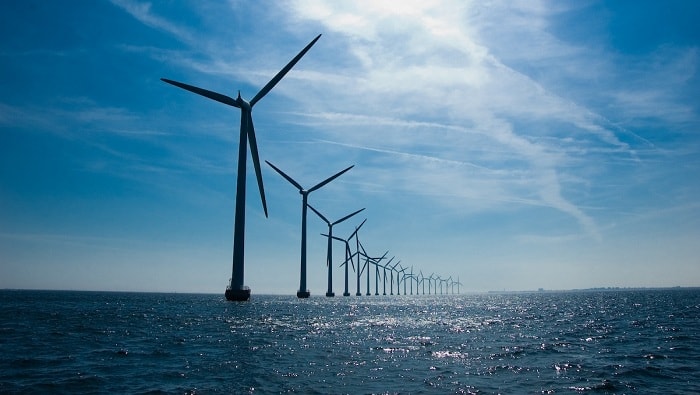
As large synchronous generators are retired and replaced by wind and solar farms, the behavior of the high-voltage grid is changing. Inverter-Based Resources (IBRs) do not provide the same levels of fault current as traditional rotating machines, and their response to a fault is governed by complex control software rather than the laws of electromagnetism. this has created significant challenges for high voltage grid protection, as traditional distance relays can be “fooled” by the unique voltage and current profiles generated by inverters. Managing this transition is one of the most pressing trends in the industry today.
To address this, protection engineers are developing “source-independent” protection schemes that do not rely on the magnitude of the fault current. These include differential protection and the aforementioned traveling wave methods. There is also a move toward “grid-forming” inverters that are designed to mimic the behavior of synchronous generators, providing a more predictable response during a fault. The integration of high voltage grid protection with the control systems of these large-scale renewable plants is essential for ensuring that the grid remains stable even as the energy mix becomes more variable and decentralized.
Advanced Wide-Area Protection and Control (WAPC)
The high-voltage grid is an interconnected system, and a disturbance in one region can quickly propagate to another. Wide-Area Protection and Control (WAPC) systems use synchrophasor data from across a continent to identify and mitigate wide-area disturbances before they lead to a system-wide collapse. These systems can trigger automated actions, such as “islanding” a distressed region or initiating high-speed load shedding, to maintain the stability of the overall network. This global view of grid health is a vital part of high voltage grid protection innovations, providing a safety net for the entire energy system.
WAPC relies on high-speed, redundant communication links and advanced “situational awareness” tools for grid operators. By providing a real-time view of the grid’s operational margins, these systems allow utilities to operate the transmission network closer to its theoretical limits without increasing the risk of failure. This is particularly important for managing the long-distance transfer of renewable energy from remote areas to urban centers. The evolution of WAPC represents a move from “local” protection to “systemic” resilience, ensuring that the high-voltage grid can withstand the most severe and unexpected disturbances.
Cybersecurity in High-Voltage Protection Systems
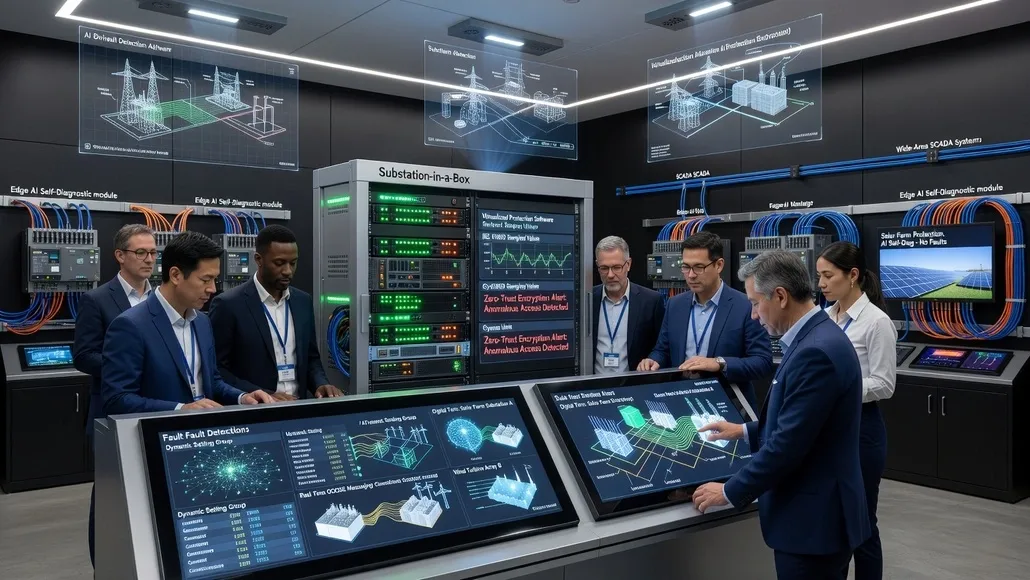
As high-voltage protection becomes more digital and interconnected, the threat of cyber-attacks has become a primary concern. A successful attack on the protection system of a high-voltage substation could have national security implications. Therefore, cybersecurity is now an integral part of high voltage grid protection development. This involves implementing multi-layered defense strategies, including secure boot for IEDs, encrypted communication for protection signals, and continuous monitoring for unauthorized network activity.
Utilities are also adopting “zero-trust” architectures, where every device and user must be continuously authenticated. This is a significant shift from the traditional model where anything inside the substation fence was considered secure. Modern protection relays are now being designed with dedicated security processors that can handle encryption and authentication without impacting the speed of the protection functions. Protecting the “brains” of the high-voltage grid from digital interference is just as important as protecting the physical wires from faults, and it remains a top priority for innovation and investment in the energy sector.
The Role of Artificial Intelligence and Machine Learning
The future of high voltage grid protection will undoubtedly be shaped by Artificial Intelligence (AI) and Machine Learning (ML). These technologies can analyze the vast amounts of data generated by modern substations to identify subtle patterns that precede a failure. For example, AI can be used to identify the “signatures” of incipient faults in high-voltage cables or transformers, allowing for maintenance before a catastrophic failure occurs. ML algorithms can also be used to optimize the settings of protection relays in real-time, ensuring that the system is always tuned for maximum reliability.
AI-driven analytics are also being used to improve the accuracy of fault location and the speed of fault classification. By training on millions of simulated and historical faults, these systems can provide operators with a clear and concise explanation of a disturbance within seconds. This helps to reduce the “cognitive load” on operators during a crisis, allowing them to make faster and more informed decisions. The integration of AI into high voltage grid protection is not about replacing human experts but about providing them with the most powerful tools possible to manage the complexity of the modern grid.
Environmental Sustainability and Grid Modernization
The drive toward a “net-zero” future is not just about changing where our energy comes from, but also how we transport and protect it. High voltage grid protection trends are increasingly focused on sustainability. This includes the move away from SF6 gas, a potent greenhouse gas used for insulation in high-voltage equipment, toward “green” alternatives like vacuum interrupters and air-insulated designs. Digital substations also contribute to sustainability by reducing the need for copper and by allowing for smaller, more efficient substation designs.
Modernizing the high-voltage grid is a massive undertaking that requires billions of dollars in investment over the coming decades. However, the cost of not modernizing—in terms of blackouts, equipment damage, and missed climate goals—is far higher. By embracing high voltage grid protection innovations, utilities are building a grid that is not only more reliable and secure but also more sustainable and equitable. The transmission grid of the future will be a high-speed, digital highway for clean energy, and the protection systems will be the intelligent guardians that ensure it always operates safely and efficiently for everyone.