






















The Zambian government has reached a significant milestone in its renewable energy strategy by entering into a substantial financial commitment with SunShare Energy. The two parties have formalized a power purchase agreement valued at US$246 million to enhance the Nambala Solar PV plant through an additional 200 MW capacity expansion. This development represents a critical step in strengthening the nation’s energy infrastructure and advancing the Nambala Solar PV expansion initiative across the region.
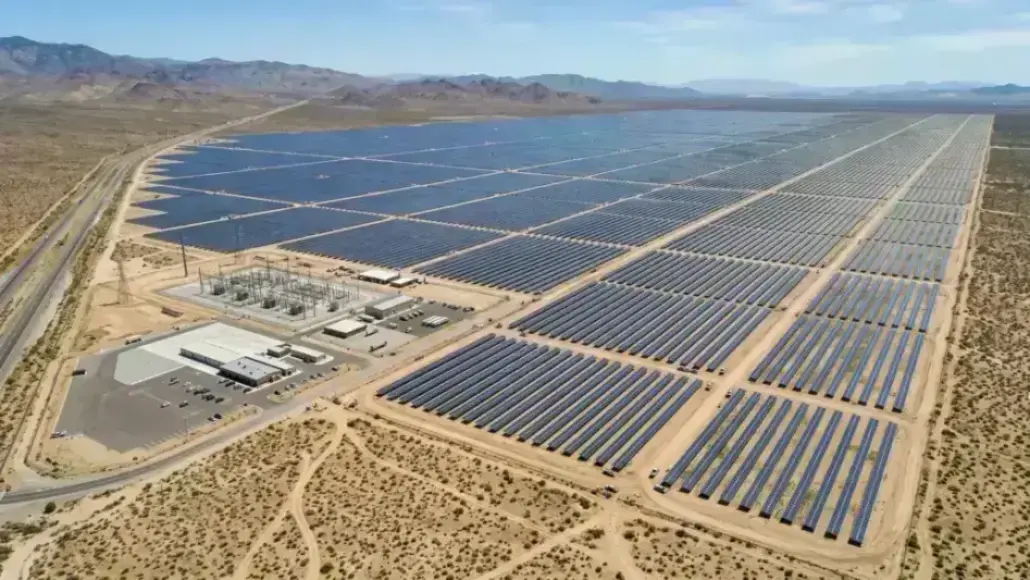
Upon completion, the Nambala Solar PV expansion will position the facility as one of the nation’s most substantial renewable energy installations, with total generation capacity reaching 250 MW. The project underscores Zambia’s commitment to building a more balanced energy portfolio, particularly as the country faces ongoing challenges related to hydroelectric generation constraints brought about by climate-related drought patterns.
The formal agreement was executed through a Power Purchase Agreement between SunShare Energy and ZESCO, the country’s primary electricity utility provider. Under this arrangement, the solar facility will deliver clean electricity directly to the national grid infrastructure, contributing measurably to energy availability and system stability across residential, industrial, and commercial sectors throughout Zambia.
Located within the Mumbwa District, the installation will employ contemporary solar photovoltaic technology designed to convert solar radiation into electrical power. Zambia’s geographical positioning provides exceptional conditions for solar energy development, with consistently high solar irradiation levels maintained throughout the calendar year, making the Nambala Solar PV expansion particularly well-suited to the local environment.
Government representatives have characterized this investment as an integral component of a comprehensive national approach to long-term energy security. By expanding solar power generation capacity, Zambia can effectively reduce operational pressure on existing hydroelectric installations, particularly the Kariba Dam facility, during seasons when rainfall remains limited. This diversification strategy creates what officials describe as a protective buffer against potential supply disruptions while minimizing economic risks associated with extended power shortages.
The expansion project is anticipated to generate employment opportunities spanning multiple phases of development. Construction activities will create temporary positions for local workers, while permanent technical and operational roles will emerge following the plant’s full operational status. These employment prospects extend economic benefits beyond energy generation itself.
SunShare Energy has reaffirmed its dedication to executing the project within planned timelines while supporting Zambia’s broader renewable energy transition objectives. The comprehensive undertaking encompasses the installation of extensive solar panel arrays, battery energy storage system integration, and transmission infrastructure necessary to connect the Nambala Solar PV expansion to the existing national grid network.
Industry analysts regard this initiative as a meaningful development for Zambia’s infrastructure advancement and clean energy sector positioning. The collaborative framework involving government entities, the national utility company, and private sector investors demonstrates how international partnerships can effectively facilitate sustainable development progress while advancing climate objectives and broadening energy access throughout the population.
The Nambala Solar PV expansion reflects a broader regional trend of increased international investment in African renewable energy infrastructure, positioning Zambia as an emerging participant in Southern Africa’s clean energy landscape.