








Vietnam is implementing urgent measures to bolster its energy security by significantly increasing electricity imports from Laos, positioning the neighboring nation as a vital regional energy supplier. This strategic move aims to preempt potential power shortages and ensure a consistent energy flow, particularly to northern Vietnam.
A recent government directive, issued following a high-level meeting chaired by Prime Minister Le Minh Hung, mandates authorities to guarantee an uninterrupted energy supply. A key component of this plan involves enhancing electricity imports from neighboring countries, with a pronounced focus on Laos and China. The directive underscores Vietnam’s growing dependence on cross-border power trade, highlighting Laos’s pivotal role due to its expanding portfolio of hydropower and renewable energy projects.
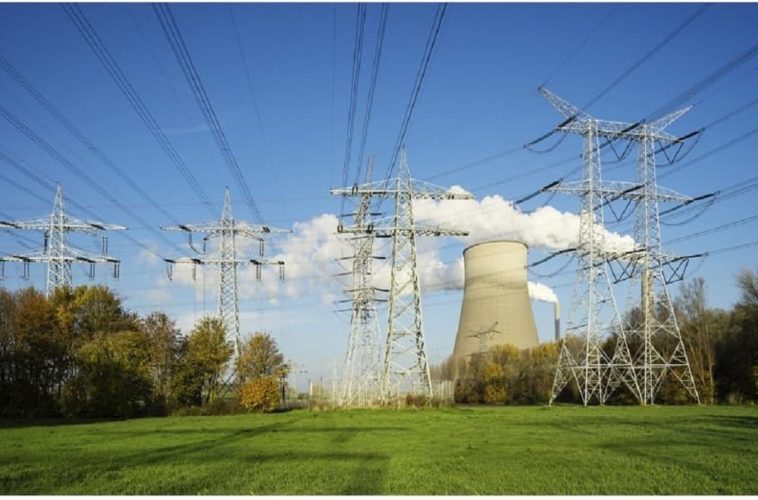
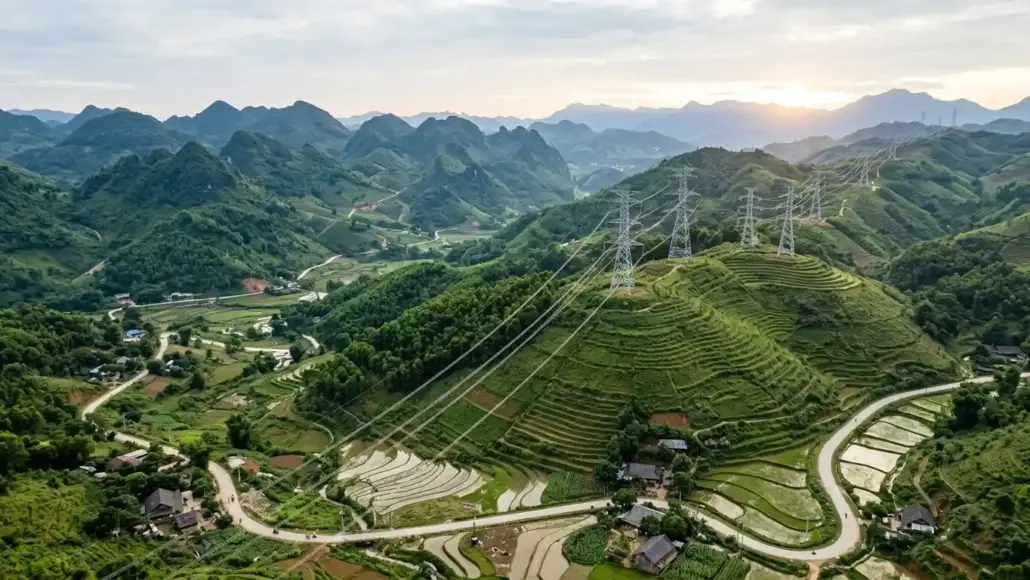
The Ministry of Industry and Trade has been tasked with expediting the construction of additional power lines to facilitate greater electricity transmission to northern Vietnam. These infrastructure improvements are targeted for implementation as early as 2027, signaling a commitment to strengthening the physical links for power exchange.
Recent data illustrates the escalating importance of Laos in Vietnam’s energy matrix. In the first quarter of 2026, Laos supplied a record 2.92 billion kilowatt-hours (kWh) of electricity to Vietnam, representing approximately 3.8 percent of Vietnam’s total power output, according to a report. This figure represents a substantial increase of nearly 120 percent compared to the 1.33 billion kWh transmitted in the same period of 2025, a testament to improved cross-border transmission capabilities and the successful commissioning of new renewable energy initiatives in Laos.
By the close of 2025, Vietnamese authorities had already greenlit electricity imports from 47 projects located in Laos, collectively boasting an installed capacity of 8,260 megawatts (MW). Of these, power plants with an installed capacity of 2,379 MW were actively supplying electricity last year, an increase from the 1,700 MW in 2024, indicating a robust pipeline of export-oriented generation projects in Laos.
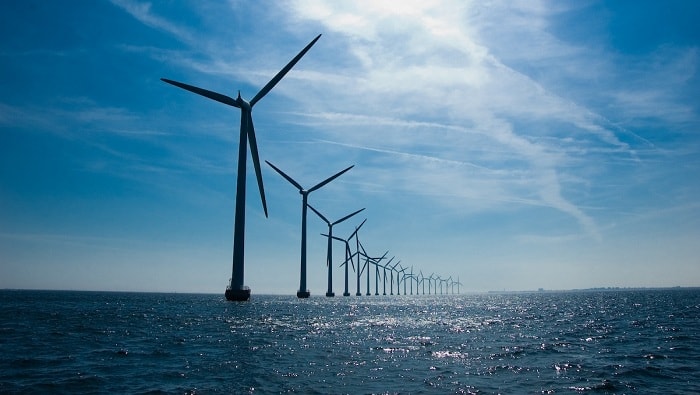
In a significant development, the Vietnamese government has expressed its readiness to review existing inter-governmental agreements and adjust its national power development plan to accommodate larger electricity purchases from Laos. This flexibility is expected to unlock further opportunities for Lao energy exports as more generation capacity comes online. This aligns directly with the Lao government’s ambition to establish itself as a substantial regional energy exporter, capitalizing on its extensive hydropower resources and burgeoning investments in wind and solar energy. The increasing demand from Vietnam is poised to boost export revenues and stimulate further investment in Laos’s energy sector, especially as new generation capacity becomes operational.
While Vietnam is concurrently exploring short-term contingency measures, such as the potential deployment of floating power plants to address immediate supply gaps, particularly in its industrialized northern region, imports from Laos are projected to assume a more sustainable and significant role in meeting medium to long-term energy demands. The directive also advocates for enhanced energy efficiency through electricity-saving campaigns and the wider adoption of rooftop solar systems integrated with battery storage. These initiatives are designed to alleviate pressure on the national grid and support a broader transition towards cleaner energy sources. As regional energy integration deepens, the power partnership between Laos and Vietnam is poised to become a crucial component of mainland Southeast Asia’s evolving energy infrastructure.