


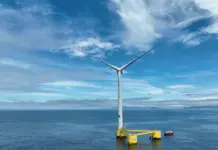
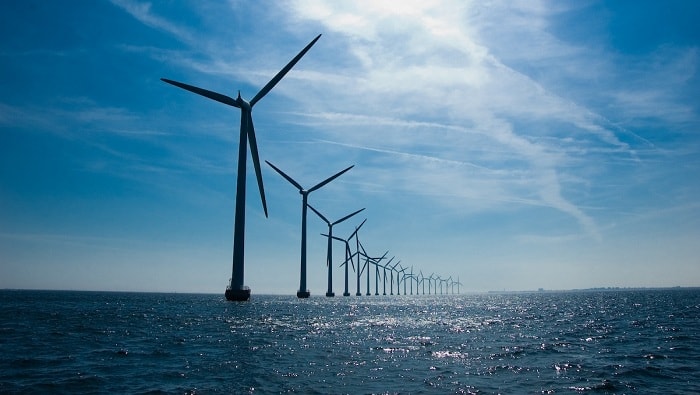


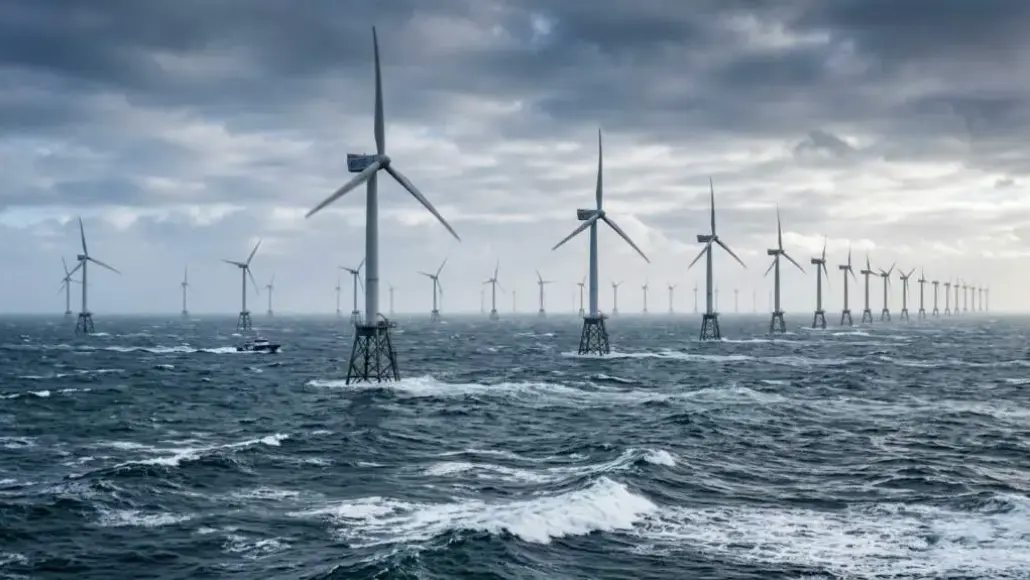
Türkiye is accelerating its offshore wind energy development, entering a crucial stage with a projected 5,000 megawatts (MW) of capacity. This ambitious endeavor represents a substantial investment estimated at $15 billion and is slated for its initial tender in early 2027.
Over the past three to four years, a comprehensive roadmap for this significant energy development has been meticulously crafted. This collaborative effort involved the Ministry of Energy and Natural Resources, alongside other key stakeholders, and the Turkish Wind Energy Association (TÜREB). İbrahim Erden, President of TÜREB, highlighted that the process extends beyond technical considerations, encompassing vital aspects like financing models and tender mechanisms.
“We provided comprehensive contributions, both written and oral, on tender mechanisms, financing models and site selection,” Erden stated, underscoring the depth of stakeholder involvement in shaping the renewable energy strategy.
Preliminary assessments have identified the Marmara and Aegean coasts as particularly promising locations for wind power generation, owing to favorable sea depth conditions. The identified corridor, stretching from the Northern Aegean towards İzmir and the Marmara coasts, has been designated as a priority area for studies targeting the 5,000 MW potential. Currently, preliminary site selections are complete, and institutional opinions are being gathered.
A rigorous approach is being employed to ensure the responsible development of offshore wind energy. Sensitive ecological zones, including continental shelves and protected areas, are being carefully avoided. Erden emphasized the thorough evaluation process, which considered a wide array of criteria such as protected zones, fish migration routes, international maritime corridors, military security areas, and radar systems. This holistic approach is integral to the successful green energy transition.
Recognizing the long lead times inherent in offshore projects, Erden noted that it typically takes four to five years from the tender award to the installation of turbines. He described the target of installing 1 gigawatt (GW) annually between 2030 and 2035 as a realistic objective for the nation’s renewable energy expansion.
While offshore wind farms are approximately 2.5 to 3 times more costly than their land-based counterparts, they yield significantly higher energy output, generating 30 to 50 percent more electricity. Achieving the ambitious 5,000 MW goal will necessitate annual investments in the range of $2.5–3 billion. This strategic push into offshore wind energy signals a major commitment to bolstering Türkiye’s renewable energy portfolio and advancing its green energy goals.