










The modern electrical grid is a marvel of engineering, a sprawling and complex system that powers every aspect of our lives. However, it is also a system that is increasingly vulnerable to a wide range of threats, from extreme weather events fueled by climate change to sophisticated cyber-attacks from hostile actors. Ensuring the reliability and security of this vital infrastructure requires more than just traditional maintenance and protection; it requires a comprehensive set of grid resilience strategies. These strategies go beyond the simple goal of keeping the lights on to encompass the ability of the grid to withstand, adapt to, and rapidly recover from disruptive events that were once considered “unthinkable.” Resilience is about building a system that doesn’t just resist failure but manages it gracefully.
At its core, grid resilience is about anticipating the unexpected. In an era where “once-in-a-century” storms are becoming annual occurrences, the traditional approach of building more robust physical structures is no longer enough. Instead, utilities are turning to a combination of physical hardening, digital intelligence, and decentralized energy resources to create a grid that is truly resilient. By integrating these various elements into a cohesive framework, energy providers can minimize the impact of outages and ensure that critical services remain powered even in the face of widespread disruption. This holistic approach requires a fundamental shift in utility planning, moving away from simple reliability metrics toward a more complex understanding of system-wide adaptability.
The Dual Pillars of Physical and Cyber Security
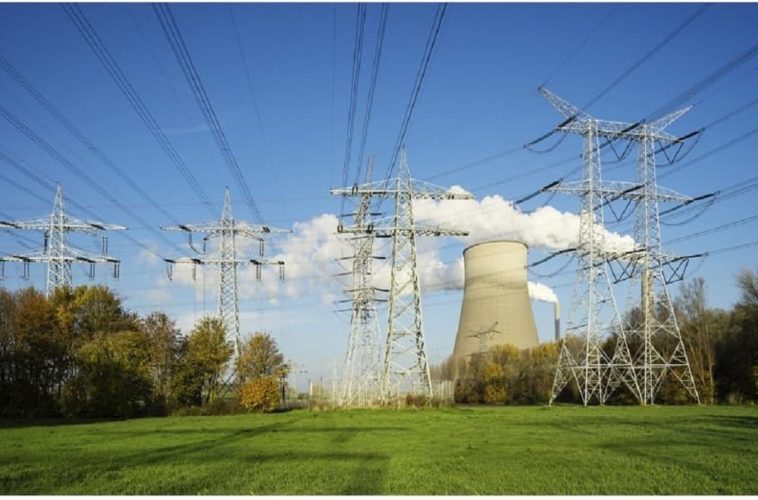
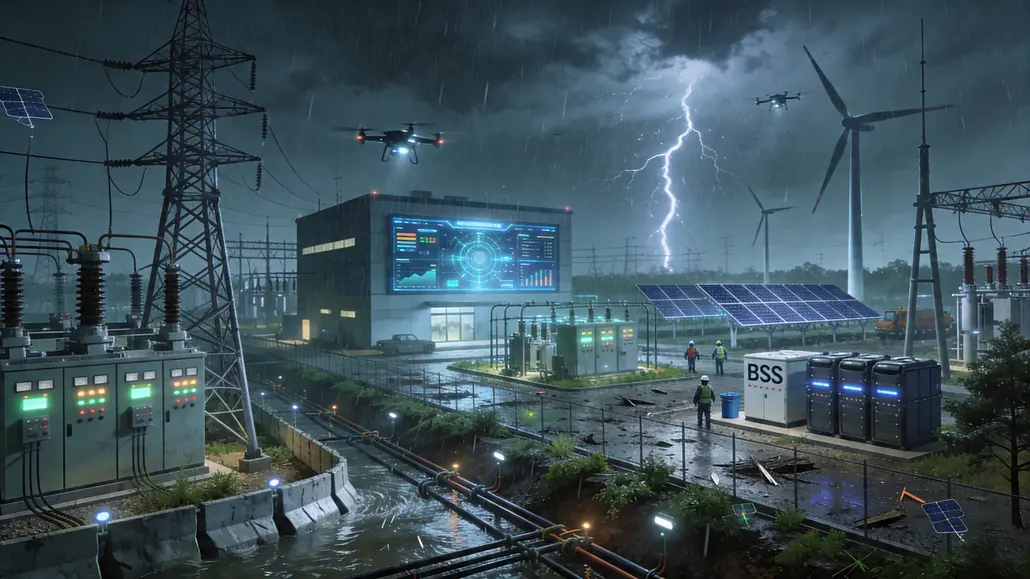
A truly resilient grid must be able to defend itself on two fronts: the physical and the digital. Physical hardening remains a vital component of grid resilience strategies, as it involves the reinforcement of transmission towers, the undergrounding of distribution lines in high-risk areas, and the installation of flood barriers at substations located in floodplains. These measures are essential for protecting the grid from the direct impact of high winds, falling trees, and rising water. However, the physical grid is only half of the story. In today’s interconnected world, the digital control systems that manage the flow of power are just as important as the wires themselves, and their protection is paramount to national security.
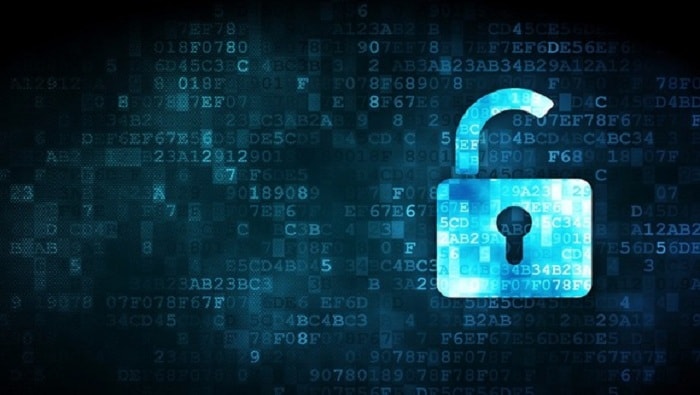
Cybersecurity has become a central pillar of grid resilience, as the increasing digitization of the power network has opened up new avenues for potential attack. From ransomware that can lock down utility billing systems to more sophisticated malware that can remotely operate circuit breakers or manipulate generator controls, the threats are real and growing in complexity. To counter these risks, grid resilience strategies incorporate advanced encryption, multi-factor authentication, and continuous network monitoring. By treating cybersecurity as a fundamental part of the grid’s design rather than an afterthought, utilities can build a defense-in-depth architecture that can detect and isolate threats before they can cause significant damage. This includes segmenting networks to prevent lateral movement by attackers and implementing “zero-trust” architectures for all digital assets.
Predictive Analytics and the Power of Foresight
One of the most transformative elements of modern grid resilience strategies is the use of predictive analytics. By leveraging the vast amounts of data generated by smart meters, weather stations, and satellite imagery, utilities can now anticipate potential issues before they even occur. For example, machine learning algorithms can analyze historical outage data and current weather patterns to predict which sections of the grid are most likely to fail during a coming storm. This allows utilities to pre-position repair crews and equipment in the areas where they will be needed most, significantly reducing the time it takes to restore power and improving the safety of the response teams.
Predictive analytics also plays a vital role in asset management and long-term planning. By monitoring the real-time health of transformers, circuit breakers, and other critical components using Internet of Things (IoT) sensors, utilities can identify the subtle signs of impending failure. This proactive approach to maintenance allows for the replacement of aging equipment before it can cause an unplanned outage, transforming the maintenance model from reactive to predictive. This is a key part of grid resilience strategies, as it ensures that the grid is always operating at peak performance and is less likely to be brought down by a routine failure during a period of high stress, such as a heatwave or a cold snap.
Satellite Monitoring and Vegetation Management
A significant cause of outages during storms is the interaction between vegetation and power lines. Advanced grid resilience strategies now utilize satellite imagery and LiDAR (Light Detection and Ranging) data to monitor tree growth near transmission and distribution corridors. By using artificial intelligence to analyze these images, utilities can identify trees that are at high risk of falling on lines, even if they appear healthy from the ground. This allows for more targeted and efficient vegetation management, reducing the risk of fire and outages while minimizing the environmental impact of clearing operations.
This data-driven approach also extends to disaster recovery. After a major event, drones and satellites can be used to quickly assess damage in areas that are inaccessible to ground crews. This rapid assessment is crucial for prioritizing restoration efforts and for providing accurate information to the public and emergency services. The integration of these advanced sensing technologies into the overall resilience framework is a testament to the power of digital transformation in the utility sector.
The Role of Microgrids and Decentralized Energy
In a traditional, centralized power system, a single failure at a major substation or a high-voltage transmission line can plunge an entire region into darkness. To mitigate this risk, grid resilience strategies are increasingly focusing on the development of microgrids and the integration of distributed energy resources (DERs). A microgrid is a localized power system that can operate independently of the main utility grid, providing a source of reliable power for critical facilities like hospitals, police stations, and emergency shelters. By being able to “island” itself during a widespread blackout, a microgrid can ensure that essential services continue to function even when the rest of the grid is down.
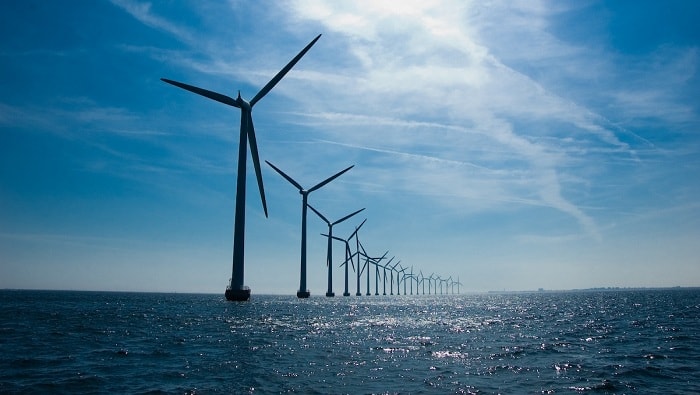
The integration of DERs, such as rooftop solar panels, wind turbines, and battery storage systems, also contributes to the overall resilience of the network. By decentralizing the production of power, utilities can create a more redundant and flexible system that is less dependent on a few large power plants. In the event of a major outage, these local energy resources can be used to provide a “black start” capability, helping to jump-start the rest of the grid without relying on distant generators. This decentralization is a fundamental shift in how we think about energy delivery and is a key component of long-term grid resilience strategies, fostering a more robust and democratic energy ecosystem.
Self-Healing Grids and Automated Recovery
The ultimate goal of many grid resilience strategies is the creation of a “self-healing” grid. This is a system that can automatically detect a fault, isolate the affected area, and reroute power to the surrounding customers in a matter of seconds. By using advanced sensors and automated switches, a self-healing grid can minimize the impact of a fault, often without any human intervention. This not only improves the reliability of the grid but also reduces the physical strain on repair crews, who can focus their efforts on fixing the underlying problem rather than manually restoring power to large areas.
The development of self-healing capabilities is closely linked to the implementation of advanced distribution management systems (ADMS). These sophisticated software platforms provide operators with a real-time view of the distribution network and can automatically execute complex restoration sequences based on optimal power flow calculations. By integrating ADMS into their grid resilience strategies, utilities can significantly reduce the duration of outages and improve the overall performance of the grid. This level of automation is essential for managing the increasingly complex and dynamic power networks of the 21st century, where the speed of change often outpaces human reaction times.
Energy Storage as a Buffer for Resilience
Battery energy storage systems (BESS) are becoming an indispensable tool for grid resilience. These systems can store excess energy during times of low demand and release it when the grid is under stress. During a major disturbance, BESS can provide near-instantaneous power to bridge the gap while other generators are brought online. They also help to stabilize voltage and frequency, which is critical for maintaining the health of sensitive industrial and medical equipment.
Large-scale energy storage also enables the integration of higher levels of variable renewable energy. By smoothing out the fluctuations of solar and wind power, storage systems ensure that the grid remains stable even as the energy mix changes. As the cost of battery technology continues to decline, we can expect to see storage integrated at every level of the grid, from the transmission network down to individual homes, further strengthening the overall grid resilience strategies and providing a buffer against the unpredictability of the future.
Planning for the Long-Term Resilience of the Grid
While technology is a vital part of any grid resilience strategy, it is only one piece of the puzzle. Truly resilient utilities also invest in the human and organizational factors that are necessary for success. This includes the development of comprehensive emergency response plans, the conduct of regular training exercises that simulate worst-case scenarios, and the fostering of strong relationships with local government, emergency services, and community organizations. By working together as a cohesive community, we can ensure that our energy infrastructure is prepared for whatever the future may hold.
Furthermore, long-term grid resilience strategies must take into account the impacts of climate change and the transition to a low-carbon economy. This means not only hardening the grid against more extreme weather but also ensuring that it can handle the increasing load from electric vehicles and the variability of renewable energy sources. This requires a forward-looking approach to grid planning that prioritizes flexibility, adaptability, and sustainability. By investing in a resilient grid today, we are not only protecting our current way of life but also building the foundation for a more sustainable and secure energy future for generations to come.
The Economic and Social Impact of a Resilient Grid
The benefits of investing in grid resilience strategies extend far beyond the technical performance of the power network. A resilient grid is a vital engine of economic growth, as it provides the reliable energy that businesses need to thrive, innovate, and compete in a global market. In contrast, widespread and prolonged power outages can cause billions of dollars in economic losses, from spoiled food and lost productivity to damaged equipment and interrupted manufacturing processes. By minimizing the impact of these events, resilient utilities can help to stabilize the local economy and protect the livelihoods of their customers, providing a foundation for long-term prosperity.
On a social level, a resilient grid is essential for the health and safety of the community. In an increasingly electrified world, the loss of power is more than just an inconvenience; it can be a life-threatening event. This is especially true for vulnerable populations, such as the elderly, those with medical conditions that require specialized equipment, and those living in extreme climates. By ensuring that power is restored quickly and that critical services remain online, grid resilience strategies save lives and protect the most vulnerable among us. As we continue to build and modernize our power networks, the goal of resilience must remain at the forefront of our efforts, ensuring a bright, secure, and equitable future for all citizens.