






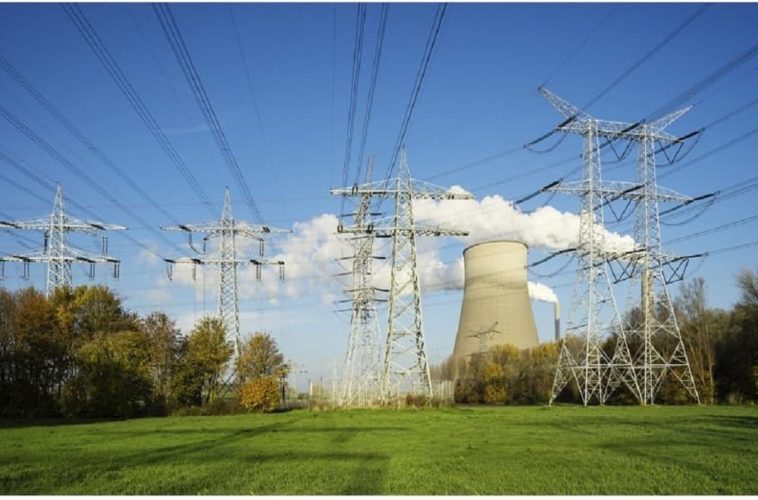



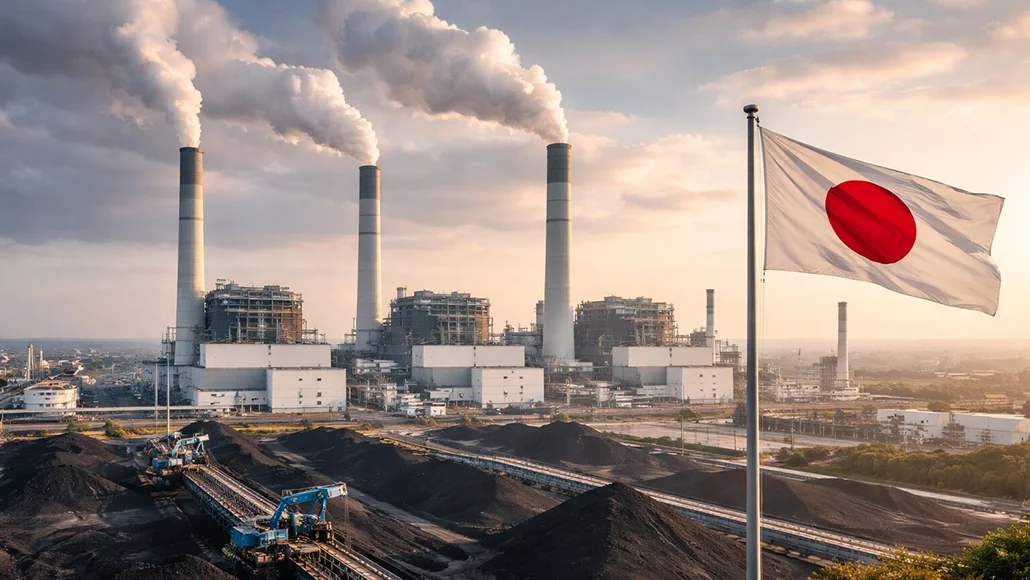
Japan is preparing to expand the use of coal-fired power plants as part of efforts to strengthen energy security amid disruptions linked to the war in the Middle East. According to documents released following a trade ministry panel meeting on 27th March 2026, the government will allow less-efficient coal facilities to participate in capacity market auctions in the fiscal year starting in April. These auctions enable generators to sell future supply, and such plants had previously been excluded as part of climate-focused restrictions. The policy adjustment signals a temporary shift toward greater reliance on coal-fired power as the country responds to tightening energy conditions.
The decision comes as supply risks intensify across Asia due to the ongoing energy crisis. The effective closure of the Strait of Hormuz and the shutdown at the world’s largest liquefied natural gas plant in Qatar have exposed vulnerabilities among nations dependent on Middle Eastern energy. Japan’s move aligns with a broader trend, with countries revisiting the role of coal-fired power in their energy mix. South Korea is weighing more flexible coal usage in the event of LNG disruptions, while rising gas prices have already prompted several European nations to increase dependence on the fuel for electricity generation.
Government estimates suggest the proposed changes could offset about 500,000 metric tons of LNG consumption. Expanding coal-fired power generation is also expected to reduce exposure to uncertainty surrounding oil imports, which are occasionally used for backup generation. Japan depends on the Middle East for more than 90% of its oil supply, much of which supports transport and industrial demand. Meanwhile, coal imports remain relatively diversified, with around 64% sourced from Australia in 2023, according to trade ministry data. Although Japan has limited direct reliance on Middle Eastern LNG, authorities said they will continue working with private-sector players to monitor fuel inventories closely. The government may also coordinate LNG sharing between utilities if required.
The proposal represents a departure, albeit a temporary one, from Japan’s earlier policy stance aimed at limiting inefficient and polluting coal facilities. The country’s latest national energy strategy, released last year, reaffirmed plans to gradually reduce reliance on such assets. Despite this shift, Japan has made measurable progress in emissions reduction. It was one of only five major polluting economies to cut total greenhouse gas emissions in 2024, recording a 2.8% decline, according to data compiled by the European Commission. Over a longer period, emissions from the power sector fell by 8% between 2005 and 2024, reflecting the continued expansion of cleaner energy sources.