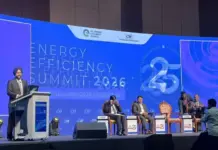
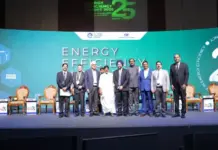
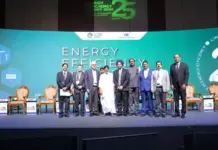





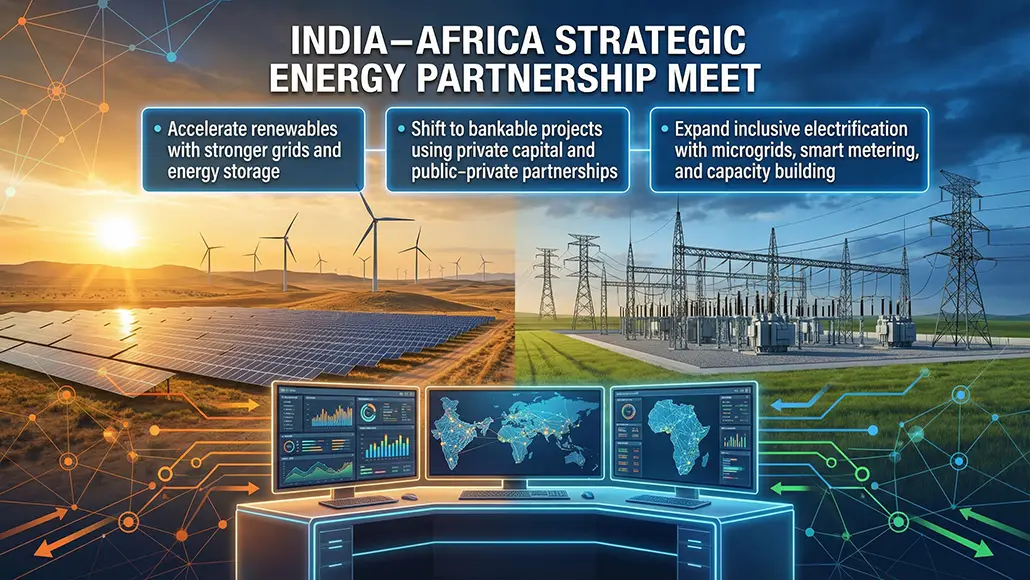
The India-Africa Strategic Partnership Meet, convened on 21st March 2026 in New Delhi, underscored a renewed commitment by India and African nations to advance a more focused and results-driven strategic energy partnership. Hosted as part of the Bharat Electricity Summit 2026, the meeting brought together senior policymakers and stakeholders to deepen collaboration across the energy sector. The session was chaired by Union Power Minister of India Manohar Lal and included key participants such as Minister of State for New and Renewable Energy of India Shripad Naik, Minister of Energy & Mining Republic of Malawi Jean Mathanga, and Africa50 CEO Alain Ebobissé. Various representatives from African governments, the African Union, financial institutions, and industry leaders were also present.
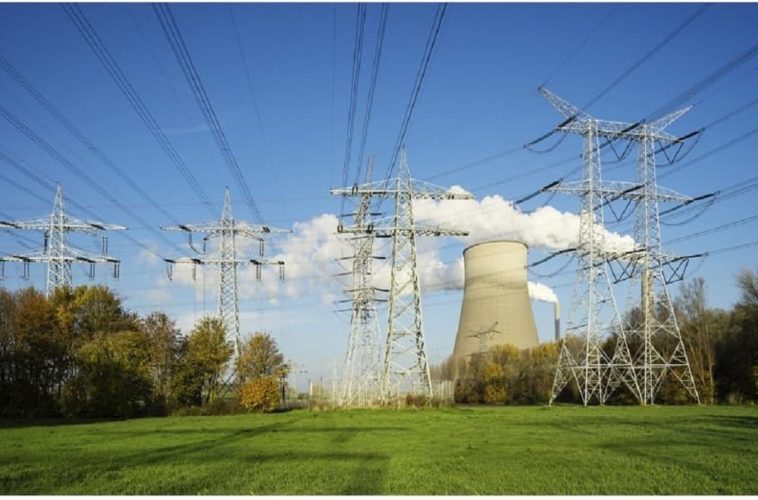
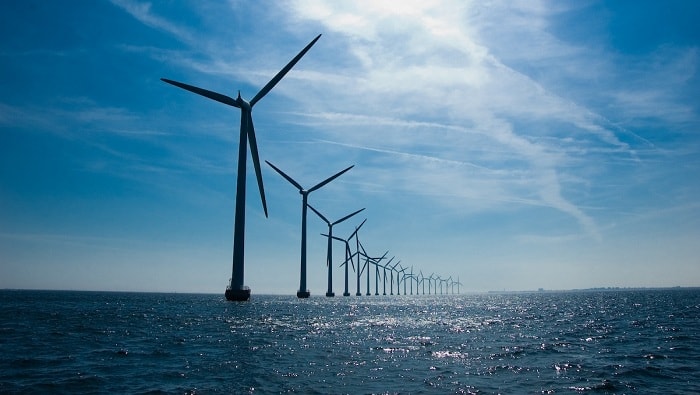
Deliberations during the meeting outlined a comprehensive roadmap aimed at strengthening the strategic energy partnership, with both sides agreeing to intensify cooperation in renewable energy expansion, interconnected grid systems, energy storage solutions, and institutional capacity building. The discussions highlighted the importance of combining India’s technical expertise with Africa’s growing energy potential to ensure reliable, affordable, and sustainable power access. Addressing the gathering, Manohar Lal stressed the role of energy as a driver of economic growth and reiterated India’s ‘One Sun, One World, One Grid’ vision as a pathway toward global energy connectivity. He also pointed to India’s evolution from an energy-deficit to a surplus nation as a model that could support Africa’s development, reinforcing the long-term value of the strategic energy partnership. The Minister further referenced ongoing collaborations involving Africa50 and Power Grid Corporation of India Limited as examples of how public-private partnerships and innovative financing can enable resilient infrastructure.
From an investment standpoint, Alain Ebobissé emphasized a shift across the continent toward bankable projects and the mobilisation of private capital, noting that Africa is increasingly prioritising investment-led partnerships over traditional aid models. He highlighted the growing emphasis on transmission expansion and integrated energy planning within the evolving strategic energy partnership framework. Complementing this perspective, Jean Mathanga called for faster progress in electrification, renewable energy deployment, and grid infrastructure development, particularly in underserved and rural areas. She also pointed to opportunities in smart metering, microgrids, and decentralized systems aligned with Africa’s inclusive energy agenda.
The India-Africa collaboration continues to build momentum through multilateral initiatives such as the International Solar Alliance, which promotes technology transfer, investment, and scalable clean energy solutions, including rooftop solar, hybrid systems, and mini-grids. Overall, the meeting reinforced a transformative approach to cooperation centred on co-creation and investment-led growth, with the strategic energy partnership emerging as a cornerstone for long-term socio-economic development and sustainable energy progress across both regions.