








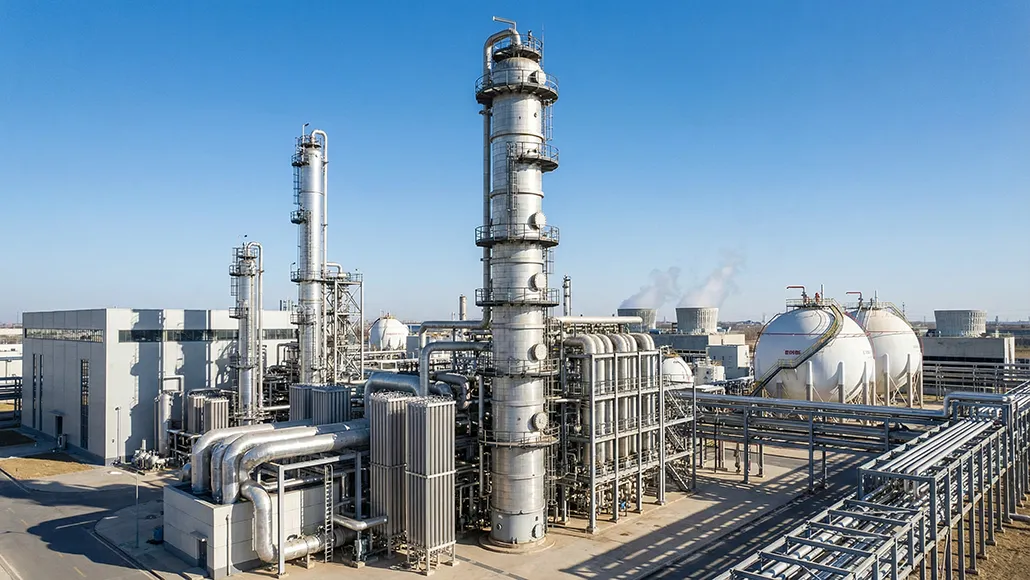
The global push for decarbonization is encountering its most significant hurdles in the “hard-to-abate” sectors of heavy industry. Steel, cement, chemical manufacturing, and long-haul shipping are energy-intensive processes that cannot be easily electrified using current battery technologies. For these sectors, the solution lies in the strategic use of hydrogen derivatives heavy industry electrification. By converting renewable electricity into molecules like hydrogen, ammonia, and methanol, we can provide the high-temperature heat and chemical feedstocks required for industrial processes while eliminating carbon emissions. This “indirect electrification” through hydrogen derivatives is the essential tool for transforming our most carbon-intensive industries into sustainable pillars of a net-zero global economy.
The Role of Green Hydrogen in Primary Steel Production
Steel manufacturing is one of the world’s largest emitters of CO2, primarily due to the use of coal as a reducing agent in blast furnaces. The implementation of hydrogen derivatives heavy industry electrification in this sector focuses on the Direct Reduced Iron (DRI) process. In a DRI plant, green hydrogen is used instead of coal-based syngas to strip the oxygen from the iron ore. This produces “sponge iron,” which is then melted in an Electric Arc Furnace (EAF) powered by renewable electricity. This process effectively decouples steel production from fossil fuels, allowing for the manufacture of “green steel” with virtually zero carbon emissions. As the cost of electrolyzers falls and the availability of green hydrogen increases, the DRI-EAF route is becoming the primary roadmap for the global steel industry’s decarbonization.
Decarbonizing Chemical Feedstocks and Refining
The chemical industry is another major consumer of hydrogen, primarily for the production of ammonia (for fertilizers) and methanol (for plastics and fuels). Traditionally, these molecules are produced from natural gas or coal. Transitioning to hydrogen derivatives heavy industry electrification involves using green hydrogen and nitrogen (from the air) or biogenic CO2 to synthesize these chemicals. Green ammonia, in particular, is a critical derivative because it serves not only as a sustainable fertilizer but also as a potential fuel for the maritime industry and a high-density carrier for transporting hydrogen globally. By switching to green derivatives, the chemical and refining sectors can eliminate their primary source of process emissions while providing the building blocks for a sustainable manufacturing world.
Hydrogen Derivatives in the Cement Industry
Cement production is unique because roughly 60% of its emissions are “process emissions” resulting from the chemical conversion of limestone into clinker, with the remaining 40% coming from the high-temperature heat required for the kilns. Hydrogen derivatives heavy industry electrification addresses the heating component by providing a clean-burning fuel that can achieve the 1,450°C temperatures necessary for clinker formation. Furthermore, hydrogen can be used in conjunction with Carbon Capture and Utilization (CCU) systems. The CO2 captured from the cement kiln can be reacted with green hydrogen to produce synthetic fuels or methanol, creating a circular carbon economy that turns an industrial liability into a valuable energy asset.
Synthetic Fuels and the Maritime Transition
Long-haul shipping is perhaps the most challenging transport sector to decarbonize. Batteries lack the energy density required for trans-oceanic voyages, making liquid hydrogen derivatives heavy industry electrification the most viable path forward. Green ammonia and e-methanol are the leading contenders for the maritime fuels of the future. Both can be stored and transported using existing bunkering infrastructure with relatively minor modifications. Ammonia is particularly attractive because it is carbon-free at the point of use, while e-methanol offers a more straightforward combustion profile and lower toxicity. The development of these derivatives is driving a massive investment in port-side infrastructure and the design of new dual-fuel marine engines, ensuring that the lifelines of global trade remain sustainable.
Indirect Electrification as a Systemic Strategy
It is important to view hydrogen derivatives heavy industry electrification not as a separate technology but as a form of “indirect electrification.” By using renewable energy to produce hydrogen and its derivatives, we are effectively extending the reach of the electrical grid into sectors that were previously beyond its grasp. This strategy allows for a more efficient use of the renewable energy supply, as hydrogen production can be timed to coincide with periods of high renewable output and low demand. This “sector coupling” between the power grid and heavy industry enhances the overall resilience of the energy system, providing a flexible, molecular buffer that can store vast amounts of energy for long durations.
The Economic Multiplier of Derivative Value Chains
The development of a global market for hydrogen derivatives creates significant economic opportunities. For renewable-rich regions, the ability to export energy in the form of ammonia or methanol is a powerful engine for economic growth. This is the ultimate promise of hydrogen derivatives heavy industry electrification: it transforms a localized renewable resource into a globally tradable commodity. For the importing industrial centers, these derivatives provide a secure and stable supply of clean energy, de-risking their transition to net-zero and ensuring their long-term competitiveness in a world that is increasingly taxing carbon emissions. The resulting value chain from electrolysis to chemical synthesis to industrial end-use is a multi-trillion dollar opportunity for innovation and job creation.
Technological Challenges and Infrastructure Development
Despite the promise, several technological hurdles remain in the large-scale deployment of hydrogen derivatives heavy industry electrification. Synthesis processes like the Haber-Bosch (for ammonia) and Methanation require high pressures and temperatures, and work is ongoing to develop more efficient, low-temperature catalysts. Furthermore, the infrastructure for distributing these derivatives must be expanded. This involves building new specialized storage tanks and port facilities, and potentially repurposing existing oil and gas pipelines. Addressing these midstream challenges is essential for ensuring that the supply of green molecules can meet the rapidly growing demand from heavy industry.
Regulatory Frameworks and Certification Standards
The success of the hydrogen derivatives market depends on the establishment of clear regulatory frameworks and international certification standards. For “green steel” or “clean ammonia” to command a premium, there must be an immutable proof of origin that tracks the carbon footprint of the hydrogen derivatives heavy industry electrification across the entire value chain. Digital tools like blockchain are being used to create “digital product passports” that provide this transparency. Furthermore, government policies like the European Union’s Carbon Border Adjustment Mechanism (CBAM) are providing the direct financial incentive for industries to switch to green derivatives by taxing the carbon content of imported goods.
The electrification of heavy industry is one of the most significant challenges of our time, and hydrogen derivatives are the essential tools for overcoming it. By providing the energy density and chemical properties that batteries cannot, hydrogen derivatives heavy industry electrification allow us to decarbonize steel, cement, and chemical manufacturing. This indirect form of electrification turns renewable electrons into the molecular building blocks of our civilization. Whether it is green hydrogen for iron reduction or ammonia for maritime transport, these derivatives are the keys to a sustainable industrial world. The transition requires a massive investment in infrastructure and a rethink of our global energy markets, but the result will be an industrial sector that is as clean as it is productive. Ultimately, the development of these derivatives is not just about meeting climate targets; it is about building a more resilient, circular, and secure global economy that can thrive for generations to come.