








While hydrogen is the most abundant element, its low volumetric density presents significant challenges for long-distance transport and large-scale storage. To overcome these hurdles, the energy industry is increasingly turning to chemical carriers that can package hydrogen into a more manageable form. Ammonia (NH3) has emerged as one of the most promising candidates for this role. As a molecule composed of one nitrogen and three hydrogen atoms, it offers a much higher energy density than compressed hydrogen and can be liquefied at relatively modest pressures and temperatures. The use of ammonia hydrogen carrier power generation is now a major focus for utilities seeking to import clean energy from remote renewable hubs to densely populated industrial regions.
The Volumetric Density Advantage of Ammonia
The primary driver for using ammonia as a carrier is its superior storage efficiency. To store the same amount of energy, liquid hydrogen requires a temperature of -253°C, which is energetically expensive to maintain. In contrast, ammonia can be liquefied at just -33°C at atmospheric pressure, or at room temperature under modest pressure (about 10 bar). This makes the logistics of ammonia hydrogen carrier power generation significantly more cost-effective. Because the global infrastructure for ammonia primarily for the fertilizer industry is already well-established, utilities can leverage existing ports, pipelines, and storage tanks, dramatically accelerating the timeline for large-scale energy imports.
Energy Efficiency of Synthesis and Decomposition
Despite its storage advantages, the use of ammonia as a carrier introduces additional energy steps. First, hydrogen must be synthesized with nitrogen via the Haber-Bosch process to create “green ammonia.” Then, at the point of use, the ammonia must often be “cracked” back into hydrogen and nitrogen. Each of these steps involves an energy penalty. However, strategic ammonia hydrogen carrier power generation focuses on optimizing these processes. For example, using the waste heat from a power plant to drive the cracking unit can significantly improve the overall round-trip efficiency. Furthermore, for some applications, the ammonia can be burned directly, bypassing the cracking step entirely.
Direct Combustion and Co-Firing in Thermal Plants
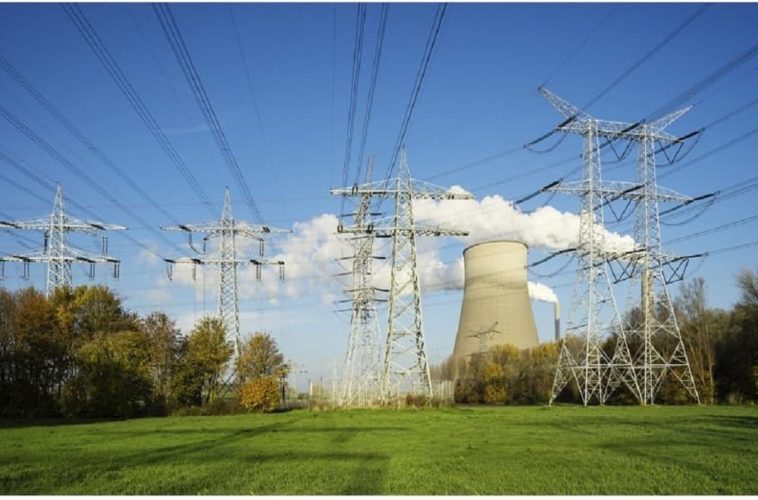
One of the most exciting applications of ammonia is its direct use in thermal power generation. Many utilities, particularly in Japan and Korea, are testing the co-firing of ammonia with coal in existing power plants. By replacing 20% to 50% of the coal with ammonia, a plant can significantly lower its carbon emissions while utilizing its existing turbine and boiler assets. This approach to ammonia hydrogen carrier power generation is a vital transitional strategy, allowing for deep decarbonization without the need for immediate, total asset retirement. As the technology matures, the industry is moving toward “ammonia-only” gas turbines that can provide carbon-free baseload power.
Managing NOx Emissions and Flame Stability
Directly burning ammonia presents its own set of engineering challenges. Ammonia has a lower flame speed and a higher ignition temperature than natural gas, which can lead to issues with flame stability. More importantly, because ammonia contains nitrogen, its combustion can lead to higher emissions of nitrogen oxides (NOx). To address this, ammonia hydrogen carrier power generation requires specialized burner designs and advanced Selective Catalytic Reduction (SCR) systems to strip out NOx from the flue gas. Through precise control of the air-to-fuel ratio and combustion temperatures, engineers have demonstrated that ammonia can be burned as cleanly as traditional fossil fuels.
The Global Logistics of Clean Ammonia Trade
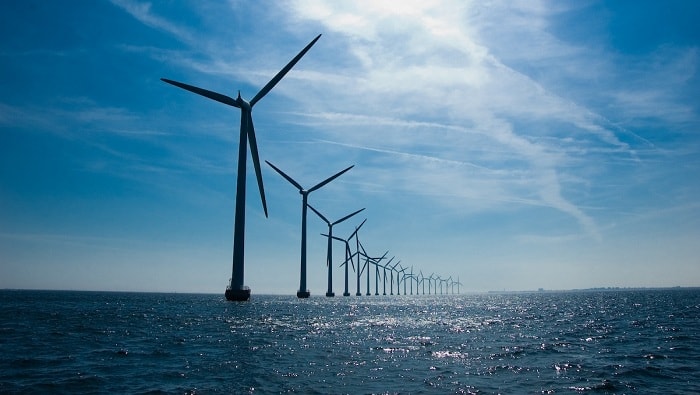
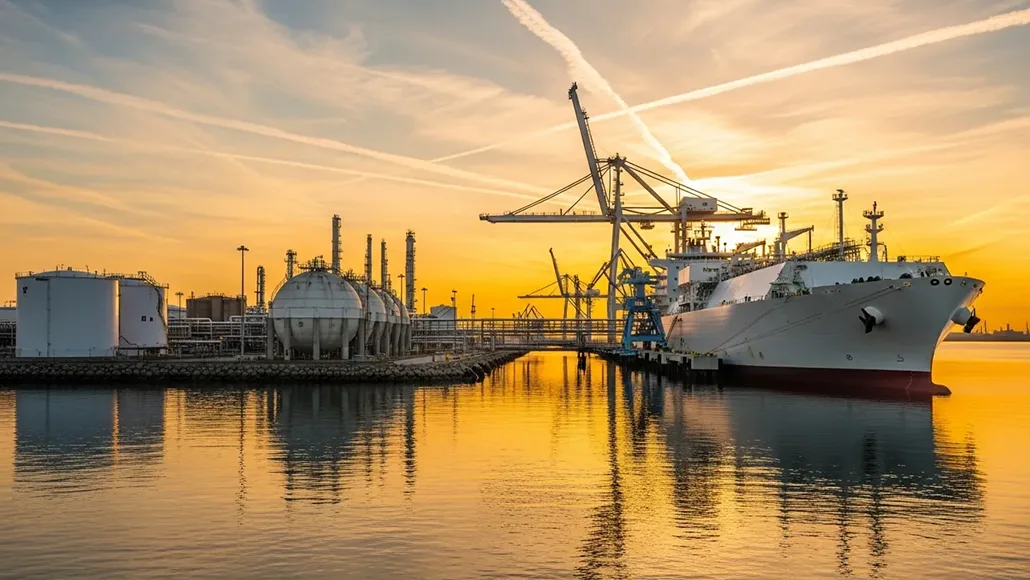
Because ammonia is already a major global commodity, the trade routes and shipping infrastructure are already in place. This is a critical factor for the success of ammonia hydrogen carrier power generation. Huge “Very Large Gas Carriers” (VLGCs) can transport tens of thousands of tons of ammonia across the oceans with minimal loss. This allows renewable-rich nations like Australia or Chile to export their solar and wind energy in the form of ammonia molecules. For an importing utility, this means that energy security is tied to a mature and flexible maritime supply chain, rather than a fixed and potentially vulnerable pipeline network.
Repurposing Infrastructure and Safety Protocols
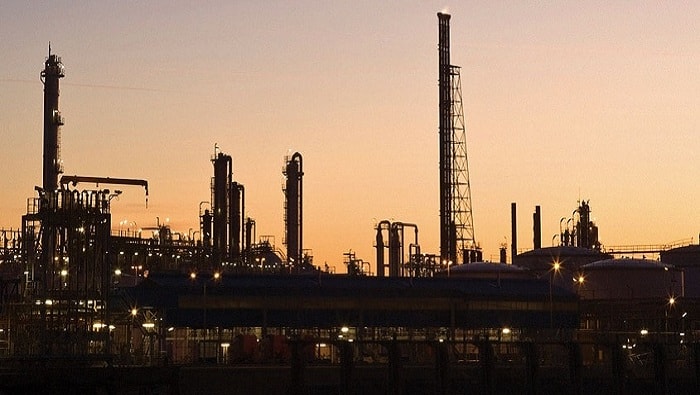
The ability to repurpose existing industrial assets is one of ammonia’s greatest strengths. Many of the storage tanks and port facilities currently used for fertilizer can be adapted for energy-grade ammonia. However, ammonia is a toxic and corrosive substance, requiring strict safety protocols. Strategic ammonia hydrogen carrier power generation must include advanced leak detection, automated emergency shut-off systems, and rigorous training for personnel. By building upon decades of industrial safety experience in the chemical sector, the power industry can ensure that ammonia is handled with the same level of safety and reliability as any other industrial fuel.
Economic Viability and the Cost of Carbon
The economic feasibility of ammonia as a carrier is closely tied to the global price of carbon. While green ammonia is currently more expensive than fossil fuels, the combination of carbon taxes and clean energy subsidies is rapidly closing the gap. Furthermore, as the scale of production increases, the cost of electrolysis and ammonia synthesis is projected to fall significantly. For many utilities, ammonia hydrogen carrier power generation represents a hedge against the rising costs of natural gas and coal. By diversifying their fuel mix with clean ammonia, they can provide a more stable and sustainable energy supply for their customers while meeting increasingly stringent environmental regulations.
The Long-Term Role of Ammonia in a Net-Zero World
As we look toward 2050, the role of ammonia will likely expand beyond just a carrier for hydrogen. It may become a primary fuel for the maritime industry and a key component of long-duration energy storage. In the context of the power grid, ammonia hydrogen carrier power generation offers the density and transportability required to balance a global energy system that is increasingly dependent on remote renewable resources. By bridging the gap between molecular and electrical energy, ammonia is proving to be an indispensable tool in the global effort to decarbonize the utility sector and build a more resilient energy future.
Key Takeaways
- Ammonia provides a high-density, easily transportable medium for moving hydrogen across global trade routes, utilizing established maritime infrastructure to overcome the volumetric limitations of pure hydrogen gas.
- The direct co-firing of ammonia in existing thermal power plants offers a pragmatic and cost-effective strategy for utilities to achieve immediate emission reductions while extending the life of their current power generation assets.
The adoption of ammonia as a primary hydrogen carrier marks a significant milestone in the evolution of energy logistics. Ammonia hydrogen carrier power generation provides a practical and scalable solution for the global transport of renewable energy, bridging the geographical gap between production hubs and consumption centers. By utilizing existing industrial infrastructure, the power sector can accelerate its decarbonization efforts while maintaining the reliability and cost-effectiveness of its generation fleet. The engineering challenges associated with direct ammonia combustion are being successfully met through innovative burner designs and emission control technologies. As the global market for clean ammonia matures, it will serve as a cornerstone of the net-zero energy system, enabling the seamless integration of carbon-free fuels into the world’s most demanding industrial and utility networks. Ammonia is not just a carrier; it is the vital catalyst for a sustainable and secure energy future.