









The transition to a hydrogen-based energy economy is fundamentally dependent on the interplay between technological readiness and the fiscal environment created by government intervention. As the global community moves to fulfill the objectives of the Paris Agreement, the strategic deployment of policy incentives clean hydrogen investment has emerged as the most critical driver for market development. Hydrogen, particularly in its green and blue forms, currently faces a significant “green premium” a cost disparity when compared to conventional fossil-fuel-based energy. Bridging this gap is not a matter of engineering alone; it requires a robust, long-term commitment from policy makers to underwrite the operational and capital risks associated with first-of-a-kind utility-scale projects. By establishing clear regulatory pathways and providing direct financial support, governments are essentially seeding the infrastructure of a new industrial era.
The Evolution of Production-Based Fiscal Frameworks
The most impactful tools currently in use are production-based incentives that provide a fixed credit for every unit of low-carbon hydrogen produced. In the United States, the introduction of the Section 45V Clean Hydrogen Production Tax Credit has set a global benchmark for simplicity and scale. By offering a tiered credit system based on the lifecycle greenhouse gas emissions of the production process, it provides a powerful economic signal to developers. This type of policy incentives clean hydrogen investment allows projects to achieve “bankability” by guaranteeing a minimum revenue stream that is independent of the underlying commodity price of hydrogen. This is essential for attracting the low-cost institutional capital required to build the massive electrolyzer plants and storage facilities that will define the future grid.
Carbon Contracts for Difference and Revenue Stability
In the European context, the focus has shifted toward more sophisticated market mechanisms like Carbon Contracts for Difference (CCfDs). These contracts involve a government entity agreeing to pay a hydrogen producer the difference between a pre-agreed “strike price” and the actual market price of carbon within the Emissions Trading System (ETS). This mechanism is a cornerstone of policy incentives clean hydrogen investment because it protects early adopters from the volatility of carbon markets. If the carbon price is low, the producer receives a top-up; if it is high, they pay the surplus back to the state. This circularity de-risks the investment for industrial off-takers in the steel and chemical sectors, ensuring they can commit to long-term hydrogen supply contracts without fear of becoming uncompetitive.
The Strategic Role of Additionality and Temporal Matching
As the market matures, policy makers are introducing more nuanced rules to ensure that hydrogen production truly contributes to decarbonization. The concept of “additionality” requires that the renewable electricity used for green hydrogen production comes from new generation assets, rather than cannibalizing the existing clean energy supply. Furthermore, “temporal matching” rules are being developed to ensure that hydrogen is produced at the same time the renewable energy is generated. These regulatory nuances are vital components of policy incentives clean hydrogen investment, as they ensure the integrity of the “green” label. While these rules can increase initial costs, they provide the long-term certainty that ensures hydrogen assets are aligned with broader grid-decarbonization goals, preventing the “greenwashing” of industrial emissions.
Mandates and Sector-Specific Quotas as Demand Drivers
While subsidies address the supply side, the sustainability of the hydrogen economy depends on creating consistent demand. Governments are increasingly using mandates and quotas to force the transition in “hard-to-abate” sectors. For instance, the ReFuelEU Aviation and FuelEU Maritime initiatives set specific targets for the use of renewable fuels of non-biological origin (RFNBOs). These policy incentives clean hydrogen investment create a “forced” market that guarantees a minimum volume offtake for producers. For an investor, a legislated mandate is often more valuable than a direct subsidy, as it provides a clear and irreversible path to market for the output of their facilities. This demand-side certainty is what allows for the signing of the 20-year offtake agreements that form the basis of project finance.
Public-Private Partnerships and Infrastructure De-risking
The scale of the infrastructure required for a global hydrogen network including thousands of miles of dedicated pipelines and massive underground storage caverns is too large for the private sector to fund in isolation. Consequently, Public-Private Partnerships (PPPs) are becoming a standard model for “midstream” assets. In these arrangements, the state may take an equity stake or provide a “first-loss” guarantee that protects private investors from catastrophic failure. This application of policy incentives clean hydrogen investment is particularly effective for regional “hydrogen backbones” that serve multiple industrial clusters. By sharing the risk, the public sector can accelerate the development of the shared infrastructure that lowers the barriers to entry for all participants in the market.
Geographical Clusters and the Hydrogen Hub Strategy
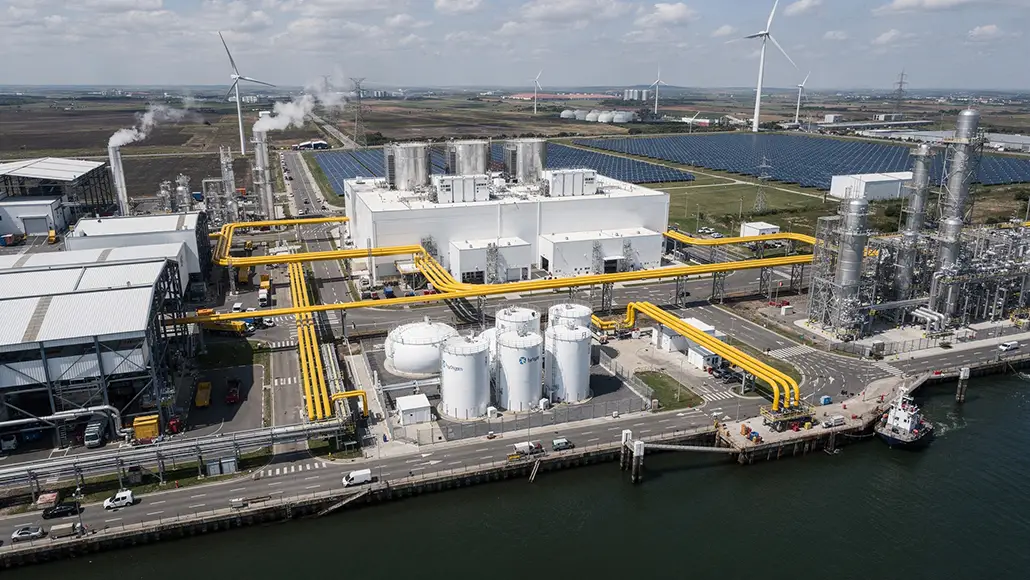
To maximize the impact of limited public funds, many nations are concentrating their incentives within specific geographic regions, often referred to as “Hydrogen Hubs” or “Hydrogen Valleys.” These clusters bring together producers, storage operators, and industrial users in a concentrated area, minimizing transportation costs and technical risks. The concentration of policy incentives clean hydrogen investment in these hubs allows for the creation of integrated ecosystems where one facility’s byproduct such as waste heat or pure oxygen can be used as an input by another. This localized circularity improves the overall systemic efficiency and provides a blueprint for how larger national and international networks will eventually be constructed.
Standardization and Global Certification Protocols
A functional global market for hydrogen requires a common language. One of the most critical “soft” policy incentives clean hydrogen investment is the development of international standards for carbon intensity and certification. Organizations like the International Partnership for Hydrogen and Fuel Cells in the Economy (IPHE) are working to harmonize these protocols. Clear certification ensures that a kilogram of green hydrogen produced in Australia has the same recognized environmental value as one produced in Spain or the United States. This transparency is essential for the global trade in hydrogen-based energy, allowing for the creation of liquid and efficient markets where clean hydrogen can be traded as a standardized commodity.
The Economic Multiplier and National Energy Security
Finally, the rationale for these incentives extends beyond environmental goals to encompass national economic and security interests. By developing a domestic hydrogen sector, countries can reduce their reliance on imported fossil fuels and foster a new high-tech manufacturing base. The economic multiplier effect of policy incentives clean hydrogen investment is significant, creating high-skilled jobs in electrolyzer manufacturing, specialized engineering, and digital grid management. As the global competition for clean energy leadership intensifies, the nations that provide the most stable and attractive policy environments will be the ones that capture the lion’s share of the trillions of dollars in future energy investment.
The successful implementation of clean hydrogen technology is as much a victory for public policy as it is for scientific innovation. Policy incentives clean hydrogen investment serve as the fundamental scaffolding of the energy transition, providing the financial and regulatory certainty required to transform the global power sector. By moving beyond simple research grants and toward robust production credits, carbon contracts, and sector-specific mandates, governments are actively creating a bankable and transparent market for low-carbon energy. The complexity of these frameworks ranging from additionality rules to international certification reflects the magnitude of the task at hand. However, the result of these efforts will be a resilient, diversified, and sustainable energy system that is capable of powering human progress without compromising the planet’s future. The current era of policy experimentation is the necessary precursor to a mature hydrogen economy, where clean energy is not just a moral imperative but a commercial standard.