






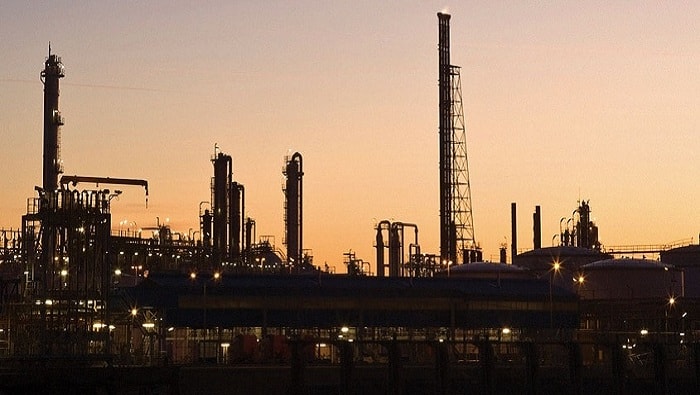

The global maritime industry is currently standing at a historical crossroads. Responsible for nearly 3% of global carbon emissions and a significant portion of sulfur and nitrogen oxide pollutants in coastal areas, the sector is under intense pressure from the International Maritime Organization (IMO) and regional regulators to transition toward carbon neutrality. At the heart of this transformation is the development of marine hydrogen bunkering port power systems. This evolution involves far more than simply replacing one fuel with another; it requires a complete architectural reimagining of port infrastructure. As ports transition into clean energy hubs, they are becoming the critical interface where the global shipping network meets the emerging green hydrogen economy, serving as both refueling stations and anchors for regional renewable energy integration.
The Engineering of Hydrogen Refueling at the Shoreline
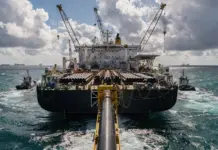
Marine hydrogen bunkering is a significantly more complex operation than traditional heavy fuel oil refueling. Hydrogen, whether in its compressed gaseous state, as a cryogenic liquid, or stored in chemical carriers like ammonia, requires specialized handling and storage technologies. The integration of marine hydrogen bunkering port power involves the construction of high-integrity terminals equipped with advanced cryogenic tanks and specialized loading arms that can maintain the required pressures and temperatures during fuel transfer. For many major ports, this also means developing ship-to-ship bunkering capabilities, where dedicated hydrogen tanker vessels can refuel ocean-going ships while they are anchored or at berth, maintaining the operational efficiency that the global just-in-time supply chain demands.
Safety Protocols and the Regulatory Environment
In a maritime environment, safety is the non-negotiable prerequisite for any technological shift. Hydrogen’s high diffusivity and low ignition energy mean that marine hydrogen bunkering port power must be managed under the most rigorous safety frameworks. This includes the installation of ultraviolet and infrared flame detectors, high-sensitivity gas sensors, and the implementation of automated “exclusion zones” around bunkering operations. International classification societies and regulatory bodies are currently working to harmonize the safety codes for hydrogen-fueled vessels and bunkering procedures. These standards are the foundation upon which the maritime industry’s trust in hydrogen is being built, ensuring that the transition to clean fuel does not compromise the safety of crew or port personnel.
Port Electrification and the Role of Shore Power
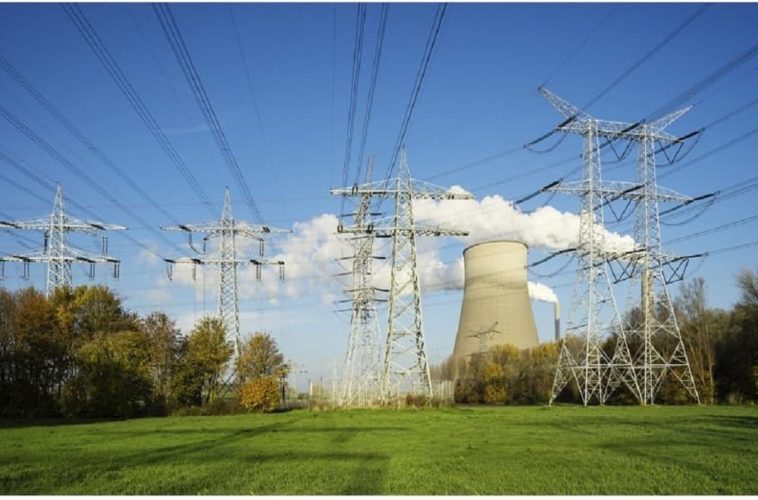
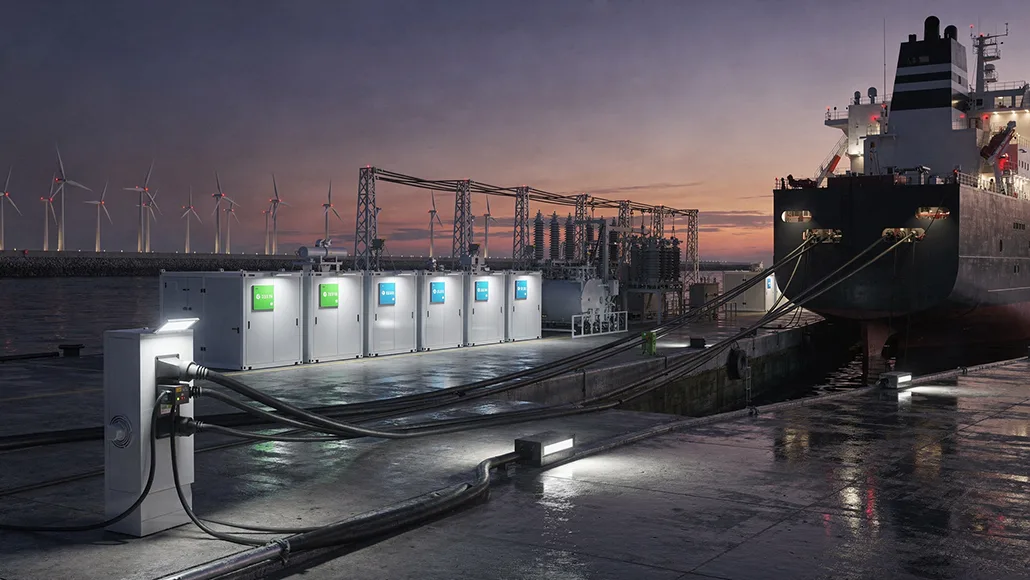
The shift toward hydrogen is occurring in parallel with a massive push for port electrification. “Shore power,” or cold ironing, allows ships to turn off their diesel generators and plug into the port’s electrical grid while at berth. When we analyze the development of marine hydrogen bunkering port power, the synergy between these two technologies becomes evident. A port that produces its own hydrogen via electrolysis can use the same high-capacity electrical infrastructure to provide shore power to docked vessels. This integrated approach not only reduces greenhouse gas emissions but also eliminates the localized air pollution and noise that have historically impacted port cities, significantly improving the quality of life for surrounding communities.
Electrolyzers as Dynamic Grid-Balancing Assets
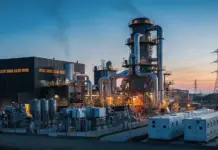
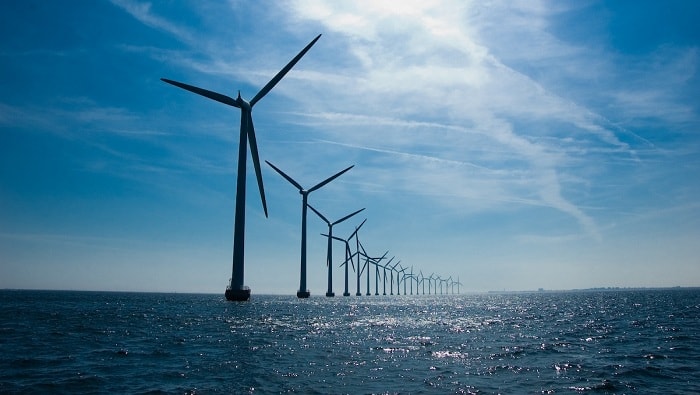
In the context of a smart port, the electrolyzer is much more than just a hydrogen factory; it is a flexible asset for grid stability. By ramping hydrogen production up or down in response to the availability of renewable energy or the price of electricity, the port can act as a giant buffer for the local electrical network. This capability is a fundamental part of marine hydrogen bunkering port power. When the sun is shining and the wind is blowing, the port can absorb the excess renewable power to produce and store hydrogen; when the grid is strained, it can reduce its demand or even use fuel cells to provide power back to the grid. This makes the port a vital pillar of regional energy resilience.
Ammonia and Liquid Organic Hydrogen Carriers
Because of the challenges associated with storing large volumes of pure hydrogen, many maritime operators are focusing on ammonia (NH3) as a primary carrier. Ammonia has a much higher volumetric energy density and can be liquefied at more modest temperatures, making it a highly attractive option for long-haul shipping. The implementation of marine hydrogen bunkering port power must therefore include the infrastructure to handle these various carriers. This requires specialized “cracking” facilities for ports that intend to use hydrogen fuel cells, or advanced combustion systems for ships that burn ammonia directly. The ability to handle a diverse range of hydrogen-based fuels is what will define the most successful and competitive ports in the net-zero era.
Retrofitting and the Modular Expansion of Port Assets
Retrofitting an active, high-traffic port for hydrogen is a monumental logistical challenge. It requires a phased approach that does not disrupt the flow of international cargo. Many port authorities are starting with modular marine hydrogen bunkering port power systems for local ferry fleets and port service vessels, such as tugs and dredgers. These pilot projects provide the operational data needed to scale up to the massive infrastructure required for container ships and bulk carriers. This modularity allows ports to learn from early deployments and to adapt their technical standards as technology and market demand evolve, ensuring that their capital investments are protected against the risk of technological obsolescence.
Economic Drivers and the Future of Green Trade Routes
The transition to hydrogen bunkering is being accelerated by a combination of regulatory pressure and commercial opportunity. The introduction of carbon taxes on maritime shipping and the creation of “green shipping corridors” between major ports are making traditional fuels increasingly untenable. At the same time, the world’s largest shipping companies are facing pressure from their customers to provide carbon-free logistics. Ports that move quickly to establish marine hydrogen bunkering port power will gain a significant competitive advantage, becoming the preferred hubs for the newest and most efficient vessels in the global fleet. This creates a powerful economic incentive for coastal cities to invest in the future of the hydrogen economy today.
Global Connectivity and the Clean Energy Gateway
Ultimately, the impact of hydrogen bunkering extends far beyond the ships themselves. By building a synchronized network of refueling stations across the global shipping lanes, we are creating a more equitable and sustainable world. Marine hydrogen bunkering port power is the gateway that connects the world’s most productive renewable energy regions with its largest consumer markets. This connectivity is the key to achieving the total decarbonization of the global economy. By ensuring that the movement of goods across the oceans is as clean as it is essential, ports are fulfilling their historical role as the engines of progress, leading the way into a new era of sustainable and secure global commerce.
The transformation of ports into hydrogen-ready hubs is a critical step in the global energy transition. Marine hydrogen bunkering port power systems represent the integration of two vital sectors maritime transport and electrical generation into a single, clean energy ecosystem. By embracing the complexity of hydrogen storage, handling, and grid synchronization, ports are providing the infrastructure that makes zero-emission shipping possible. This transition requires a multi-faceted approach involving advanced engineering, rigorous safety standards, and a new understanding of the port as a flexible grid asset. As the global shipping industry moves away from fossil fuels, these clean energy ports will serve as the anchors of a more resilient and sustainable world. Ultimately, the success of the maritime hydrogen economy will depend on our ability to innovate within the physical constraints of our coastlines, ensuring that the lifelines of global trade are as sustainable as the fuels that power them.