






The global transition to a low-carbon economy is no longer just about cleaning up the power grid; it is increasingly about how heavy industry will source the energy required to decarbonize. At the forefront of this shift is the massive projected growth in the production of green hydrogen for use in steel manufacturing, chemical processing, and refining. This surge in industrial hydrogen demand power markets is creating a ripple effect across the entire energy sector, driving a fundamental restructuring of how electricity is bought, sold, and distributed. As industrial giants transition from fossil fuels to hydrogen, they are becoming some of the largest and most influential participants in the power market, necessitating new procurement strategies and regulatory frameworks.
The Scale of Industrial Electricity Requirements
To appreciate the impact of this transition, one must consider the sheer volume of electricity required for industrial electrolysis. A single large-scale steel plant transitioning from coal-based blast furnaces to hydrogen-based direct reduced iron (DRI) can require several gigawatts of continuous renewable power. This massive influx of new demand is placing unprecedented pressure on power grids that were designed for much more modest growth rates. Consequently, industrial hydrogen demand power markets is forcing a rapid acceleration in renewable energy deployment, as developers race to sign multi-decade contracts with industrial off-takers who need guaranteed carbon-free electrons.
Corporate Power Purchase Agreements and Price Stability
The primary mechanism for managing this increased demand is the Corporate Power Purchase Agreement (CPPA). Industrial users are moving away from volatile spot markets and toward long-term fixed-price contracts that provide the financial certainty needed to invest in multi-billion dollar hydrogen facilities. These agreements are often structured to include “additionality” and “temporal matching,” ensuring that the renewable energy is produced at the same time and on the same grid as the hydrogen production. This shift in industrial hydrogen demand power markets is creating a more stable investment environment for renewable energy developers, but it also ties up a significant portion of the future energy supply in long-term private contracts.
Market Volatility and the Role of Demand Response
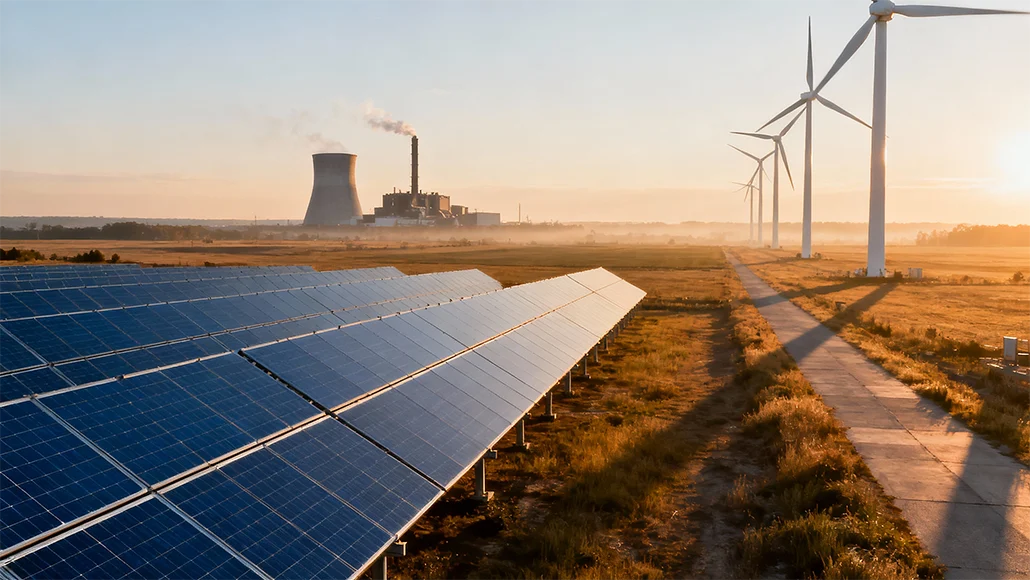
While the increased demand poses a challenge, it also offers a unique opportunity for grid management. Electrolyzers are inherently flexible loads; they can be ramped up or down in seconds in response to grid signals. When the sun is shining and the wind is blowing, industrial hydrogen facilities can absorb the excess power that would otherwise be curtailed. Conversely, during periods of peak demand or low renewable output, these facilities can be throttled back. This “demand response” capability is a critical part of how industrial hydrogen demand power markets is actually helping to stabilize the grid, providing a valuable service that can lower the overall cost of electricity for all users.
Regulatory Frameworks for Flexible Industrial Loads
For this flexibility to be fully realized, power market regulations must evolve. In many jurisdictions, current market rules do not adequately compensate industrial users for the grid services they provide through flexible electrolysis. New tariffs and market mechanisms are being developed to reward “dispatchable” industrial loads. This is a key area where industrial hydrogen demand power markets is driving policy innovation, as regulators seek to create a system that balances the needs of heavy industry with the reliability of the broader electricity network. These changes are essential for ensuring that the integration of massive industrial loads does not lead to increased price volatility for residential consumers.
The Emergence of Industrial Hydrogen Hubs
Rather than isolated facilities, the industry is moving toward “hydrogen hubs” clusters of industrial producers and consumers sharing a localized infrastructure. These hubs are being developed in proximity to high-capacity renewable resources or deep-water ports. By concentrating demand, these hubs allow for more efficient power market interactions. A cluster of steel and chemical plants can negotiate larger, more complex power contracts than any single facility could on its own. This collaborative approach to industrial hydrogen demand power markets is lowering the barrier to entry for smaller industrial players and accelerating the regional development of the hydrogen economy.
Infrastructure Challenges and Grid Connection Constraints
One of the most significant bottlenecks in this transition is the capacity of the transmission grid. Connecting gigawatt-scale industrial electrolyzers requires massive upgrades to substations and high-voltage lines. In many regions, the “waitlist” for grid connections is now measured in years, if not a decade. This reality is forcing some industrial players to explore “behind-the-meter” solutions, where they build their own dedicated wind or solar farms directly adjacent to their hydrogen production sites. This “islanded” approach to industrial hydrogen demand power markets circumvents grid constraints but requires sophisticated energy management systems to maintain the continuous operation needed for industrial processes.
The Geopolitical Realignment of Energy-Intensive Industry
In the long term, the need for cheap, clean hydrogen is likely to cause a global migration of energy-intensive industries. Countries with abundant and low-cost renewable resources such as Australia, Chile, and various nations in North Africa are positioning themselves as the industrial centers of the future. This shift in industrial hydrogen demand power markets is not just an energy story; it is a story of global economic competitiveness. Nations that can provide stable, low-cost renewable power to fuel industrial electrolysis will attract the next generation of manufacturing investment, fundamentally changing the global map of industrial power and trade.
Synthesis of Hydrogen and Power Market Dynamics
Ultimately, the integration of hydrogen into the industrial landscape represents the most significant change to power markets since the invention of the AC grid. It is a process that requires the total synchronization of the electrical and molecular energy systems. Industrial hydrogen demand power markets is the catalyst for this convergence, driving the innovation in procurement, regulation, and technology that will define the net-zero era. For power market participants, the message is clear: the future of electricity is inextricably linked to the future of hydrogen, and success will depend on the ability to navigate the complex interface between these two vital energy vectors.
Key Takeaways
- Industrial hydrogen production is driving an unprecedented surge in electricity demand, forcing a transition from traditional energy procurement toward long-term, carbon-free power purchase agreements that stabilize investment in both sectors.
- The inherent flexibility of electrolyzer loads provides a powerful tool for grid balancing, allowing industrial facilities to act as active participants in power markets and help manage the variability of renewable energy generation.
The restructuring of power markets under the pressure of industrial hydrogen demand is a definitive characteristic of the modern energy transition. As heavy industry seeks to de-risk its path to net-zero, it is increasingly becoming a dominant force in electricity procurement, favoring long-term stability over short-term price fluctuations. This industrial hydrogen demand power markets transition is fostering a new era of corporate-utility cooperation, where energy assets are built specifically to serve industrial electrolysis. The resulting growth in renewable capacity and grid flexibility is beneficial for the entire energy system, providing a robust backstop against the volatility of fossil fuels. As industrial hydrogen hubs continue to evolve, they will serve as the engines of regional economic growth, anchored by a reliable and sustainable supply of clean electricity. The synergy between industrial demand and power generation is the key to achieving a truly circular and decarbonized energy economy.