
















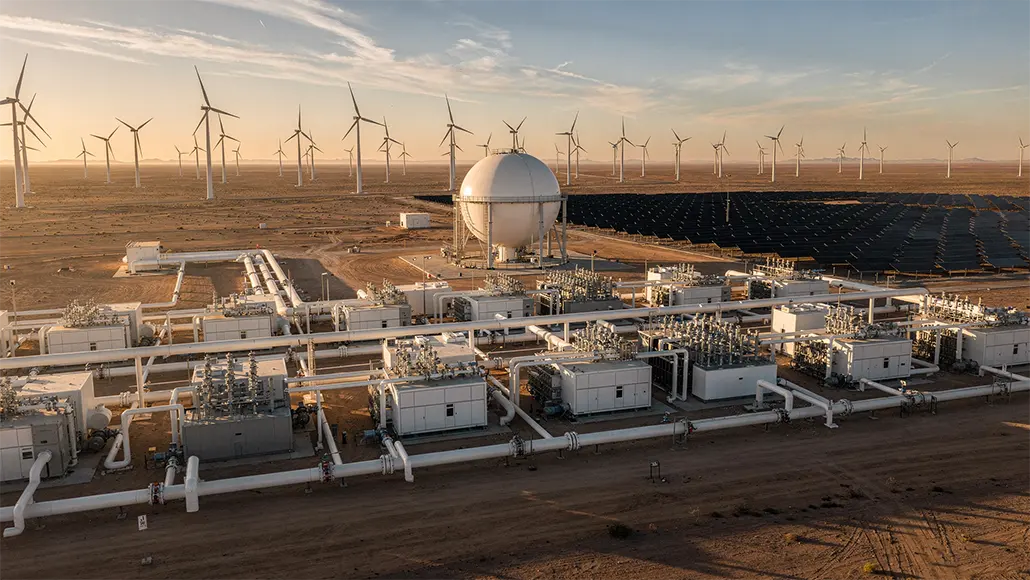
The transition to a global hydrogen-based energy system is one of the most capital-intensive undertakings in human history. To reach the scale required for deep decarbonization, the industry must move rapidly beyond pilot projects funded by corporate balance sheets and into the realm of structured, non-recourse project finance. The success of this transition depends on the development of financing large scale hydrogen projects that can attract institutional capital such as pension funds, insurance companies, and sovereign wealth funds which require stable, predictable, and long-term returns. This necessitates a multi-layered approach that combines traditional project finance structures with innovative risk-mitigation tools, targeted public-sector support, and robust commercial contracts that can withstand the inevitable volatility of a nascent and rapidly evolving market.
The Foundational Concept of Bankability
The primary hurdle in financing large scale hydrogen projects is the concept of “bankability.” Lenders and investors are naturally cautious when dealing with relatively new technologies and unproven market structures. They look for “de-risked” projects where the technical, commercial, and regulatory risks have been clearly identified, allocated, and mitigated. For a hydrogen project to be considered bankable, it must demonstrate that the core technology (such as the electrolyzers or fuel cells) will perform as promised, that there is a reliable supply of low-cost renewable energy, and, most crucially, that there is a creditworthy off-taker committed to buying the hydrogen for 15 to 20 years. Without these components, the cost of capital becomes prohibitively high, stalling the project before it can achieve its final investment decision.
The Critical Importance of Long-Term Offtake Agreements
The “offtake agreement” is the bedrock of any successful project finance structure. It is the contract that guarantees the project’s future revenue, allowing it to service its debt and provide a return to equity investors. In the hydrogen sector, these are often structured as “take-or-pay” contracts, where the buyer agrees to pay for a specific volume of hydrogen regardless of whether they actually take delivery. For financing large scale hydrogen projects, having a creditworthy industrial giant or a utility as the off-taker is essential. These contracts act as the “collateral” that the banks use to justify the loan. As the market matures, we may see the emergence of more “merchant” projects that sell into an open market, but for the first generation of utility-scale facilities, the long-term contract remains the non-negotiable prerequisite for funding.
Blended Finance and Public Sector Risk Sharing
To bridge the gap between high project risks and the conservative requirements of private investors, “blended finance” has become the dominant model. This involves the strategic use of public-sector capital from development banks, government agencies, or international financial institutions to take on the highest-risk portions of the project, thereby making it attractive for private lenders. This can take the form of “first-loss” equity, low-interest subordinated debt, or sovereign guarantees. Financing large scale hydrogen projects through blended finance is particularly effective in emerging markets or for the deployment of first-of-a-kind technologies where the private sector is hesitant to lead. By providing this “catalytic” capital, governments can unlock the trillions of dollars in private investment required for a global energy transition.
Export Credit Agencies and Political Risk Mitigation
Because many of the world’s most productive hydrogen regions are located in countries with high renewable potential but significant geopolitical risk, Export Credit Agencies (ECAs) play a vital role in the financing landscape. ECAs provide insurance and guarantees that protect lenders against political risks, such as expropriation, civil unrest, or sudden changes in law. This protection is a critical component of financing large scale hydrogen projects that involve international supply chains and cross-border offtake agreements. By mitigating these “above-ground” risks, ECAs allow developers to access cheaper and longer-term debt from the global capital markets, which is essential for the economic viability of projects with high upfront capital costs and long payback periods.
Green Bonds and the Influx of ESG-Mandated Capital
The global capital markets are increasingly focused on Environmental, Social, and Governance (ESG) criteria. This has led to a massive surge in the issuance of “green bonds” debt instruments specifically earmarked for climate-friendly projects. Financing large scale hydrogen projects through green bonds allows developers to tap into a massive and growing pool of ESG-mandated capital, often at a slightly lower interest rate than traditional corporate debt. For institutional investors, these bonds provide a way to diversify their portfolios with long-term infrastructure assets that contribute directly to global decarbonization. As the standards for green bonds and “green taxonomies” become more rigorous, they will provide a transparent and reliable mechanism for funding the global hydrogen revolution.
Venture Capital and the Technical Innovation Lifecycle
While project finance covers the deployment of mature technology, venture capital (VC) is essential for the earlier stages of the innovation cycle. VC firms provide the “risk capital” needed to develop the next generation of high-efficiency electrolyzers, storage technologies, and advanced digital monitoring systems. This innovation ecosystem is an integral part of the broader framework of financing large scale hydrogen projects. By funding the startups that are driving down costs and improving systemic efficiency, venture capitalists are paving the way for the larger, bankable projects of the future. The transition from venture funding to project finance is the “valley of death” that many hydrogen technologies must cross, and successful developers are those who can navigate this transition with a clear and credible path to commercial scale.
Private Equity and the Secondary Market for Infrastructure
As the first generation of large-scale hydrogen projects successfully comes online and demonstrates operational stability, we are seeing a shift in the investor base. Private equity firms and dedicated infrastructure funds are increasingly looking to acquire stakes in operating hydrogen assets. These investors are attracted by the stable, inflation-linked returns that often come with utility-scale energy projects. This “secondary market” is a critical part of financing large scale hydrogen projects, as it allows early-stage developers to recycle their capital and reinvest in new projects. This recycling of capital increases the overall velocity of investment in the sector, accelerating the deployment of the global hydrogen network and driving down the overall cost of the energy transition.
Structuring Public-Private Partnerships (PPPs) for Networks
For massive, multi-user infrastructure such as national hydrogen backbones and high-capacity maritime terminals, Public-Private Partnerships (PPPs) are often the only viable path. In a PPP, the state and the private sector share both the risks and the rewards of the project. This can be structured as a “Concession” or a “Regulated Asset Base” (RAB) model, where the developer is guaranteed a specific return on their investment through regulated tariffs. Financing large scale hydrogen projects through PPPs ensures that the infrastructure is built to a high standard and remains accessible to multiple users, fostering competition and driving down the levelized cost of hydrogen for the entire economy. This collaborative model is essential for the rapid build-out of the networks that will underpin the future energy system.
The Strategic Importance of Financial Innovation
The ability to innovate in finance is just as important as the ability to innovate in engineering. The development of new risk-sharing mechanisms, standardized commercial contracts, and specialized insurance products for hydrogen leakage or production shortfall is the key to unlocking the full potential of the sector. Financing large scale hydrogen projects is a complex, multi-disciplinary task that requires a deep understanding of energy markets, international law, and macroeconomics. As the industry matures and the “track record” of successful, operating projects grows, the cost of capital will continue to fall, making hydrogen an even more competitive alternative to fossil fuels. The financial structures we build and perfect today are the foundation of the clean, secure, and sustainable energy world of tomorrow.
The successful financing of large-scale hydrogen projects is the primary challenge for the energy transition’s next decade. Financing large scale hydrogen projects requires a sophisticated blend of traditional project finance, public-sector risk mitigation, and innovative green capital. By establishing “bankable” project structures anchored by long-term offtake agreements, the industry is creating the conditions necessary to attract the trillions of dollars in institutional capital required for global decarbonization. The evolution of these financial models from blended finance and ECAs to green bonds and PPPs reflects a growing understanding of the unique risks and rewards of the hydrogen economy. As technology continues to mature and the global regulatory environment becomes more certain, the cost of financing will decrease, accelerating the deployment of the critical infrastructure that will power a carbon-neutral world. Financial innovation is the silent partner of engineering excellence, together ensuring that the hydrogen revolution is both technically possible and economically sustainable.