











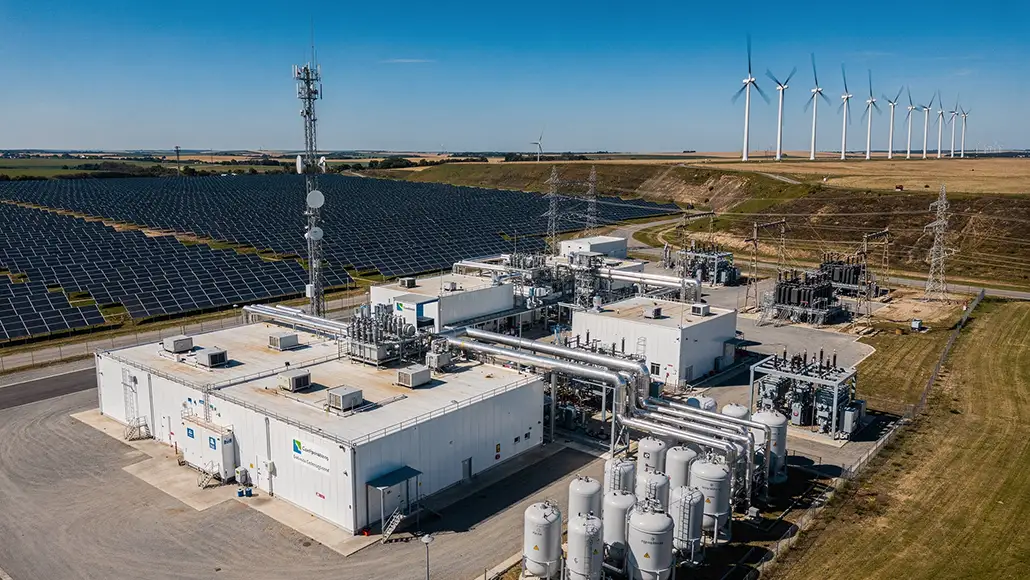
The industrialization of green hydrogen production is a highly sophisticated process that demands the highest levels of technical precision and operational oversight. Unlike traditional petrochemical plants that often operate at a steady, predictable state, green hydrogen facilities must respond dynamically to the inherent variability of renewable energy sources such as wind and solar. This operational volatility has made digital monitoring hydrogen production an essential component of the modern energy facility. By integrating advanced sensor networks, artificial intelligence, and real-time data analytics, operators can gain unprecedented visibility into the performance of their electrolyzer stacks, balance of plant, and high-pressure storage systems. This digital transformation is the catalyst for maximizing thermodynamic efficiency, ensuring uncompromising safety, and achieving the commercial reliability required for utility-scale deployment.
The Architecture of the “Smart” Hydrogen Plant
A modern hydrogen production facility is an incredibly data-rich environment. Every critical component from the individual electrolysis cell within a stack to the massive high-pressure compressors and gas purification units is equipped with a dense array of sensors tracking pressure, temperature, flow rate, and electrical current density. The implementation of digital monitoring hydrogen production involves aggregating this massive influx of data into a centralized, high-speed platform where it can be analyzed in real-time. This “Smart Plant” architecture allows for the orchestration of the entire facility as a single, cohesive unit. It enables the control system to automatically adjust production levels in milliseconds based on the price of electricity or the instantaneous output of the renewable grid, ensuring that the facility always operates at its most economically and technically efficient point.
Digital Twins and the Virtualization of Assets
At the core of the digitalization strategy is the “Digital Twin” a high-fidelity virtual replica of the physical plant that mirrors its behavior in real-time. By running complex simulations on the digital twin, engineers can test various operational scenarios without risking the physical hardware. This is a critical feature of digital monitoring hydrogen production, as it allows for the precise fine-tuning of the electrolysis process to maximize hydrogen yield and minimize energy loss. The digital twin can also be used to train machine learning algorithms to recognize the subtle, non-linear patterns that indicate a shift in performance, allowing the plant’s control logic to make micro-adjustments that would be impossible for a human operator to perform manually, thereby significantly increasing the cumulative efficiency of the facility.
Predictive Maintenance and Lifecycle Asset Management
Electrolyzer stacks are expensive, high-precision assets that can be easily damaged by improper operation or unexpected surges in power. Predictive maintenance is perhaps the most significant economic benefit of digital monitoring hydrogen production. By analyzing the continuous stream of data from the sensors, the system can detect the early warning signs of membrane fouling, catalyst degradation, or structural fatigue long before they lead to a failure. This allows maintenance to be scheduled during planned downtime or when renewable output is low, avoiding costly emergency repairs and maximizing the plant’s overall availability. This proactive stance not only lowers the operational expenditure but also extends the operational life of the equipment, significantly improving the project’s long-term internal rate of return.
IoT Sensors and High-Speed Safety Response
Safety is the absolute prerequisite for any hydrogen-based operation. Hydrogen’s high diffusivity and low ignition energy require a monitoring system that is both incredibly sensitive and extremely fast. Digital monitoring hydrogen production utilizes a network of IoT (Internet of Things) sensors that can detect minute leaks in the parts-per-billion range. These sensors are integrated with safety-instrumented systems that can trigger emergency shut-offs and activate specialized ventilation systems in milliseconds. The use of wireless IoT sensors also allows for the cost-effective monitoring of hard-to-reach areas of the facility, providing a level of safety coverage that was previously impossible with traditional wired systems, thereby protecting both the capital assets and the safety of the workforce.
Synchronizing the Renewable-to-Hydrogen Interface
The most complex engineering aspect of green hydrogen production is managing the interface with a variable renewable energy source. Wind and solar power can fluctuate rapidly due to weather changes, and the electrolyzer must follow these changes to avoid grid instability or mechanical stress on the equipment. Digital monitoring hydrogen production provides the high-speed “intelligence” required to manage this interface effectively. By integrating hyper-local weather forecasts and real-time grid signals into the plant’s control logic, the system can predict the energy availability and adjust the production schedule accordingly. This high-speed synchronization ensures that the maximum amount of renewable energy is successfully converted into hydrogen, minimizing curtailment and maximizing the environmental value of every electron produced.
Cloud Computing and Global Fleet Optimization
As the hydrogen industry scales, multi-national energy companies will operate fleets of production facilities across multiple continents. Digital monitoring hydrogen production allows for the centralized management of these global assets. Data from each plant can be uploaded to the cloud, where it can be compared and analyzed to identify the “best practices” that can be applied across the entire fleet. If a plant in one region discovers a more efficient way to manage its water purification or cooling cycles, that operational knowledge can be instantly shared and implemented at plants in other regions. This collective intelligence significantly accelerates the learning curve for the entire industry, driving down costs and improving performance at a rate that would be impossible with isolated operations.
Data Security and the Resilience of Critical Infrastructure
With the increasing digitalization of the energy sector comes an increased risk of sophisticated cyber-attacks. Ensuring the security of the data and the control systems is a foundational part of digital monitoring hydrogen production. This involves the use of end-to-end encryption, multi-factor authentication, and “air-gapped” safety systems that remain operational even if the main network is compromised. As hydrogen facilities are increasingly viewed as critical national infrastructure, the focus on cyber resilience will only intensify. Producers must work closely with cybersecurity experts and government agencies to ensure that their digital monitoring systems are as secure as they are smart, protecting both their commercial interests and the public interest in energy security.
The Evolution toward Autonomous Remote Operations
The ultimate goal of digitalization is the move toward fully autonomous or remote operations. In remote or harsh environments, the ability to operate a hydrogen facility from a centralized control center is a significant strategic advantage. Digital monitoring hydrogen production provides the “virtual presence” required for this to be safe and effective. Advanced cameras, high-fidelity microphones, and thermal imaging sensors allow remote operators to “see” and “hear” the plant as if they were physically on-site. As AI technology continues to advance, we can expect to see plants that can largely manage themselves, with human intervention required only for the most complex maintenance tasks or emergency response scenarios, thereby reducing the operational cost and safety risk for the personnel.
The Strategic Value of Data as a Commodity
Ultimately, the data generated by digital monitoring is a valuable asset in its own right. It provides the immutable “proof of origin” required for green hydrogen certification and the verifiable performance record needed to secure financing for future large-scale projects. Digital monitoring hydrogen production is the bridge between the physical world of molecules and the digital world of global finance and regulation. By providing a transparent and verifiable record of every kilogram of hydrogen produced, it builds the trust that is necessary for the hydrogen economy to flourish. In the net-zero era, the most successful companies will be those that can master the flow of data as effectively as they master the flow of hydrogen, ensuring a sustainable and profitable future.
The digital transformation of hydrogen production is a necessary evolution for an industry that must operate at the intersection of molecular chemistry and electrical engineering. Digital monitoring hydrogen production provides the essential oversight and optimization required to manage the complexity of green hydrogen facilities. By embracing digital twins, predictive maintenance, and high-speed safety systems, the industry is ensuring that hydrogen remains a safe, reliable, and commercially viable pillar of the global energy mix. The data-driven approach to plant management allows for the maximization of efficiency and the extension of asset life, significantly lowering the long-term cost of clean energy. As the hydrogen economy continues to scale, the integration of AI and cloud computing will further accelerate the pace of innovation, creating a global network of smart, sustainable facilities that are capable of powering a carbon-neutral world.