










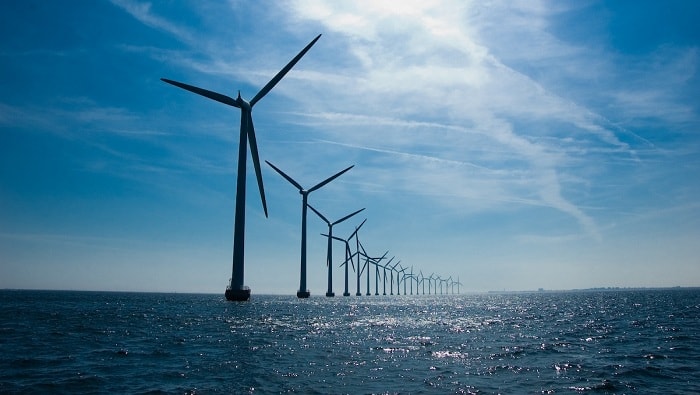



As the global energy landscape undergoes a profound shift toward intermittent renewable sources like wind and solar, the fundamental challenge of grid stability has moved beyond daily balancing to seasonal energy management. While lithium-ion batteries and other short-duration storage technologies are essential for managing intra-day fluctuations, they are economically and physically incapable of storing the vast quantities of energy required to bridge weeks or months of low renewable output. This is where the development of hydrogen storage caverns grid scale becomes an indispensable component of a resilient energy system. By leveraging the unique geological properties of deep underground formations, utilities can create massive, high-pressure reservoirs that act as the ultimate “strategic reserve” for a decarbonized power grid.
The Geological Supremacy of Salt Caverns
The preferred medium for large-scale hydrogen storage is the salt cavern. These are immense, hermetically sealed voids created in deep salt deposits through a process of solution mining. Salt is a uniquely suitable material for hydrogen storage because it is virtually impermeable to the tiny hydrogen molecule, and its “plastic” behavior allow it to self-seal any micro-fractures that may occur under the geostatic pressure of the surrounding rock. When we discuss hydrogen storage caverns grid scale, salt domes and bedded salt deposits are the primary targets because they can withstand high-pressure injection and withdrawal cycles with minimal gas loss. This makes them significantly more reliable and efficient than depleted oil and gas reservoirs, which often contain impurities that can contaminate the stored hydrogen.
Engineering the Solution Mining Process
Creating a cavern capable of hosting grid-scale energy reserves is a complex multi-year engineering project. It involves drilling a well into a salt deposit and pumping in vast quantities of fresh water to dissolve the salt, creating a carefully shaped void that can be hundreds of feet in diameter and thousands of feet deep. The shape of the cavern must be meticulously managed using sonar and advanced modeling to ensure its structural stability over decades of operation. For hydrogen storage caverns grid scale, the design must also account for the thermodynamics of high-speed gas movement, as the rapid withdrawal of hydrogen can lead to a significant drop in temperature that could potentially embrittle the wellbore materials or destabilize the salt walls.
Thermodynamic Balancing and Cushion Gas Dynamics
The operation of a hydrogen storage cavern involves a delicate balancing act of pressures and temperatures. As hydrogen is compressed and injected into the cavern, the internal temperature rises; during withdrawal, the gas expands and cools. Managing these cycles is critical for the long-term integrity of the cavern. Hydrogen storage caverns grid scale deployment requires a significant volume of “cushion gas” a permanent quantity of hydrogen that must remain in the cavern to maintain a minimum internal pressure. This pressure resists the external geostatic forces of the salt, preventing the cavern from slowly closing over time. While the cushion gas represents a significant upfront cost, it is an essential investment in the longevity and safety of the storage facility.
Energy Density and Volumetric Storage Efficiency
One of the most compelling arguments for geological storage is the sheer energy density it provides compared to other technologies. A single large salt cavern can store thousands of tons of hydrogen, equivalent to hundreds of gigawatt-hours of electrical energy. When evaluated in terms of cost per megawatt-hour of storage capacity, hydrogen storage caverns grid scale are an order of magnitude cheaper than battery arrays for long-duration applications. This volumetric efficiency is what makes hydrogen the only viable medium for seasonal energy shifting. By storing the excess renewable energy of the summer in the form of molecules deep underground, utilities can ensure they have a carbon-free fuel source to power the grid during the peak demands of winter.
Grid Integration and the Seasonal Balancing Act
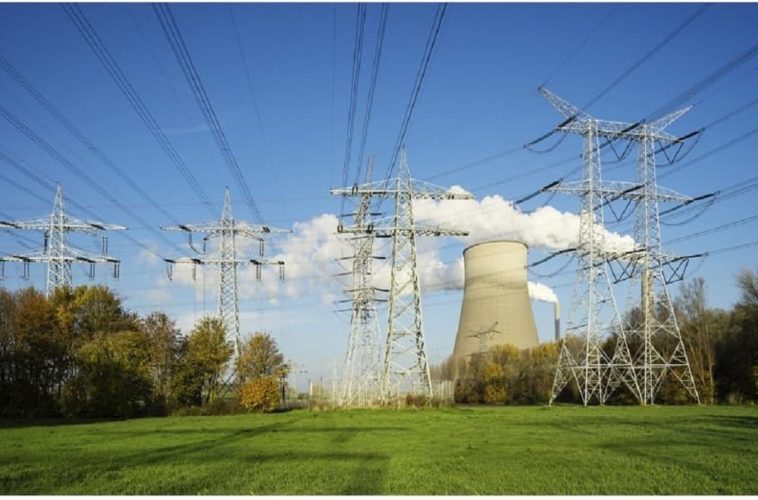
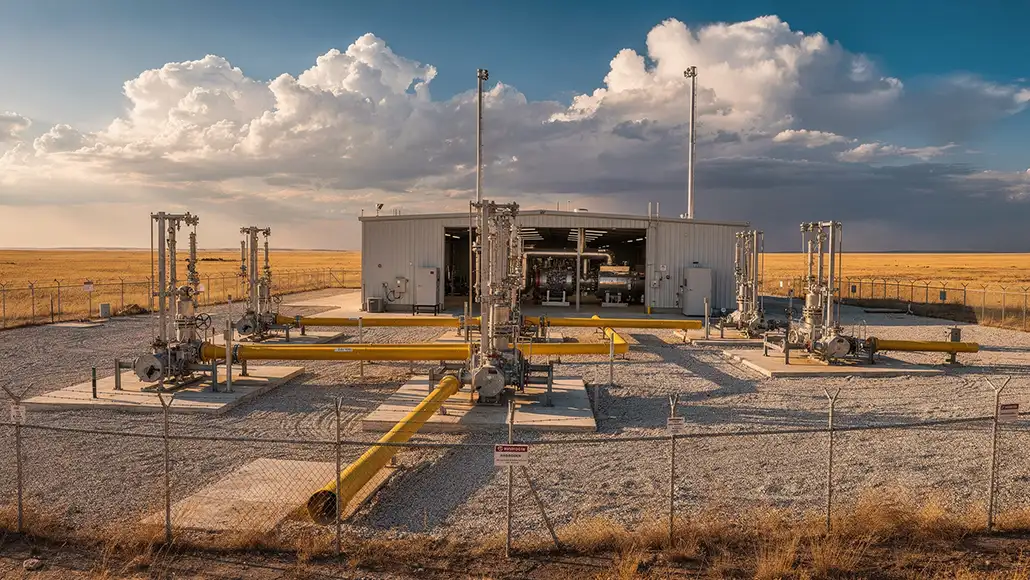
For these geological assets to provide their full value, they must be seamlessly integrated with both the gas and electricity networks. This involves co-locating the caverns with multi-gigawatt electrolysis plants and hydrogen-fired turbines. Hydrogen storage caverns grid scale act as a massive buffer that allows the power grid to remain stable despite the inherent variability of nature. During periods of high wind and solar generation, the surplus power is used to produce hydrogen, which is then injected into the caverns. When the renewable supply falls short, the stored hydrogen is withdrawn and converted back into electricity. This “power-to-gas-to-power” cycle provides the seasonal resilience that is currently provided by coal and natural gas stockpiles.
Monitoring, Verification, and Advanced Safety Systems
Safety in underground hydrogen storage is managed through a combination of traditional pressure monitoring and cutting-edge digital technology. Modern hydrogen storage caverns grid scale utilize fiber-optic sensors along the entire length of the wellbore to monitor temperature and strain in real-time. Satellite-based InSAR (Interferometric Synthetic Aperture Radar) is used to detect even millimeter-scale ground movement above the storage site, providing a constant check on the structural health of the geological formation. Furthermore, advanced leak detection systems can identify the presence of hydrogen in the parts-per-billion range, ensuring that any anomaly is addressed before it can pose a risk to the facility or the surrounding environment.
Economic Resilience and Lifecycle Asset Management
The development of a storage cavern is a capital-intensive project with a long-term horizon. While the initial construction costs are high, these are assets with an operational lifespan of 50 to 100 years. Unlike chemical batteries, which degrade with every charge and discharge cycle, salt caverns have virtually unlimited cycling capacity. When analyzed from a lifecycle perspective, the economic case for hydrogen storage caverns grid scale is incredibly strong. As carbon pricing becomes more stringent and the cost of grid instability rises, these caverns will become some of the most valuable assets in a utility’s portfolio. Governments are increasingly recognizing this by providing the “blended finance” and long-term regulatory certainty needed to fund these critical infrastructure projects.
Alternative Geological Media and Geographic Scaling
While salt caverns are the preferred geological medium, they are not available in every region. For areas without salt formations, researchers and engineers are exploring the use of Lined Rock Caverns (LRCs) and depleted gas fields for hydrogen storage. While these options present additional challenges such as the need for specialized linings or the risk of gas contamination they are essential for ensuring that hydrogen storage caverns grid scale can be deployed globally. The ongoing development of these alternative media ensures that every major energy market can eventually have access to the seasonal storage capacity it needs to transition away from fossil fuels while maintaining the highest standards of energy security and reliability.
The Vision for a Global Hydrogen Storage Network
Looking forward, the success of the energy transition will be measured by our ability to store the abundance of renewable energy for when it is most needed. Hydrogen storage caverns grid scale are the foundation of this vision. By converting the ephemeral energy of the wind and sun into a tangible, stored resource deep within the earth, we are creating a more equitable and stable energy future. These caverns are not just storage tanks; they are the heart of a circular energy system that replicates the reliability of the fossil fuel era without its environmental cost. The deployment of this technology at scale is a monumental engineering task, but it is one that is fundamentally necessary for the long-term survival and prosperity of our industrialized civilization.
The development of geological hydrogen storage is the final piece of the clean energy puzzle. Hydrogen storage caverns grid scale provide the unique combination of scale, safety, and duration that is required to replace traditional fuel stockpiles in a decarbonized world. By leveraging the impermeability and structural integrity of salt formations, utilities can create a robust buffer against the seasonal variability of renewable energy. The engineering complexity of these projects from solution mining to thermodynamic management is matched by their strategic value to national energy security. As the world moves toward 100% renewable grids, the role of these underground reservoirs will only grow, serving as the essential stabilizers of the global energy supply. Ultimately, the transition to hydrogen storage represents a fundamental shift in our relationship with energy, moving from a model of extraction to one of strategic stewardship and long-term resilience.