











In the traditional energy paradigm, security was often synonymous with the control of oil and gas reserves. However, as the world shifts toward a decarbonized future, the definition of energy security is being fundamentally rewritten. The development of hydrogen export corridors energy security is at the heart of this transformation. These corridors consisting of high-capacity pipelines and maritime shipping routes connect regions with an abundance of low-cost renewable energy, such as Australia, Chile, and the Middle East, with major industrial demand centers in Europe and Northeast Asia. By diversifying the sources of energy and moving away from a reliance on a few concentrated fossil fuel producers, these corridors are building a more resilient and secure global energy ecosystem.
Redefining Geopolitical Energy Alliances
The creation of hydrogen export corridors energy security is driving a major realignment of international partnerships. Unlike fossil fuels, which are geologically localized, renewable energy can be harnessed in many parts of the world. This allows for the creation of new “clean energy alliances” where trade is based on technical cooperation and shared climate goals rather than historical resource control. For example, Germany’s “H2Global” initiative and Japan’s investments in Australian hydrogen are clear indicators of how demand-heavy nations are proactively securing their future energy supplies through these corridors. This strategic diversification reduces the risk of energy being used as a geopolitical weapon, enhancing global stability.
Strategic Diversification of the Energy Supply Chain
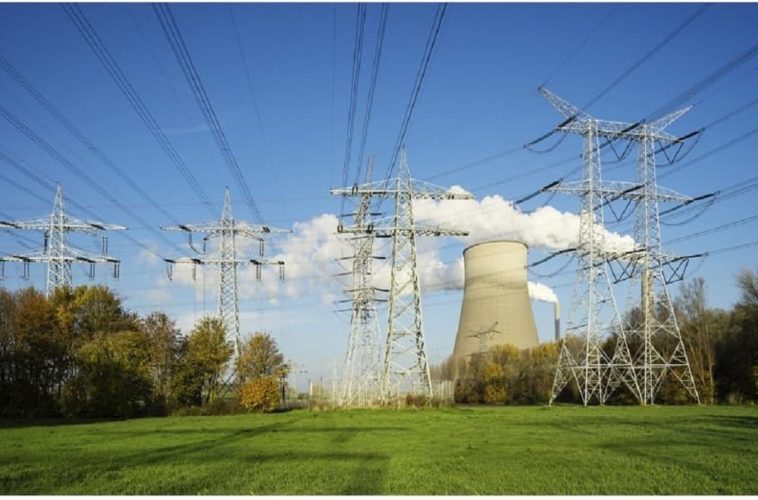
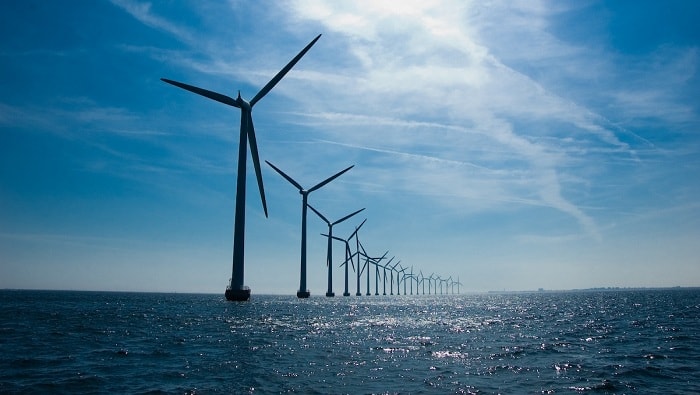
Energy security is inherently tied to the diversity of supply. Historically, disruptions in one or two key oil-producing regions could cause global economic shocks. Hydrogen export corridors energy security addresses this by tapping into a wider variety of geography and technology. If one region faces a supply disruption, the modular and distributed nature of renewable-powered hydrogen production allows other corridors to fill the gap. Furthermore, as hydrogen can be produced from multiple sources including wind, solar, and even nuclear it offers a level of fuel flexibility that fossil fuels cannot match, providing a multi-layered defense against energy scarcity.
Infrastructure for Global Hydrogen Trade
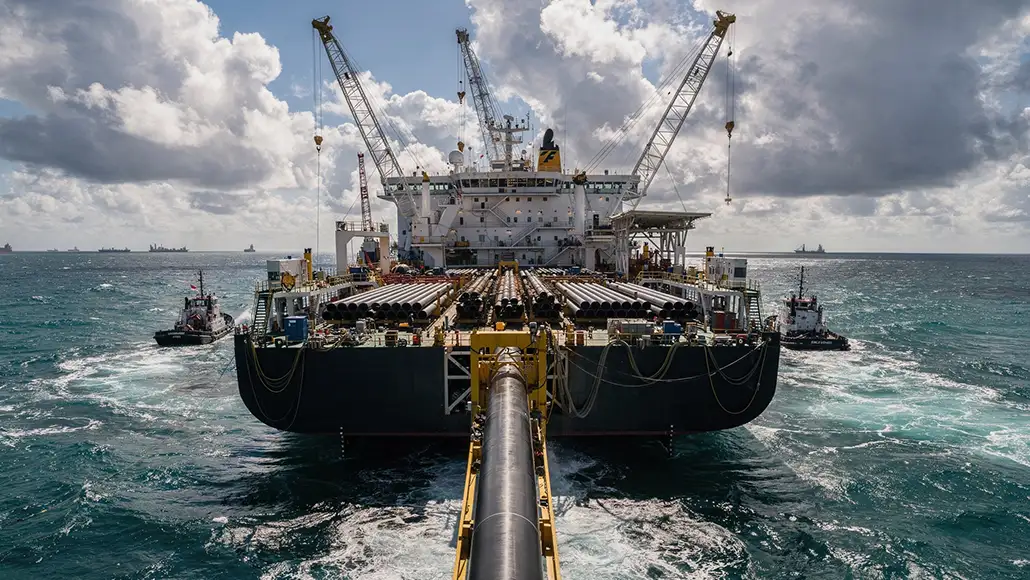
For these corridors to be effective, they require a massive investment in midstream infrastructure. This includes not only the production facilities but also the liquefaction plants, storage terminals, and specialized transport vessels. In the short term, many hydrogen export corridors energy security will rely on chemical carriers like ammonia, which is easier to transport over long distances. In the long term, we are seeing the development of dedicated liquid hydrogen (LH2) tankers and subsea pipelines that can move pure hydrogen directly to market. Building this infrastructure is a generational undertaking that requires close coordination between governments and the private sector to standardize technical and safety protocols.
Maritime Shipping versus Pipeline Interconnectors
The choice of transport mode in a hydrogen corridor is largely determined by geography and volume. Pipelines, such as the proposed “European Hydrogen Backbone,” offer the lowest cost for regional transport over land or short sea crossings. However, for trans-oceanic trade, maritime shipping is essential. Strategic hydrogen export corridors energy security often incorporate both, with pipelines connecting inland production sites to coastal liquefaction hubs, where the hydrogen is then loaded onto vessels. This integrated approach ensures that energy can reach the point of consumption with maximum efficiency and minimal loss, further strengthening the reliability of the overall supply chain.
Mitigating Market Volatility Through Clean Energy
One of the greatest threats to energy security is the volatility of fossil fuel prices. By shifting to hydrogen produced from renewable sources, nations can decouple their energy costs from the fluctuations of the global oil and gas markets. Hydrogen export corridors energy security provide a “firming” mechanism for these renewable electrons, allowing them to be traded as a stable commodity. Long-term offtake agreements often spanning 15 to 20 years provide a level of price predictability that is impossible with traditional fuels. This economic stability is a cornerstone of national security, protecting industrial productivity and consumer purchasing power from external inflationary shocks.
The Role of Energy Storage in Export Resilience
For an export corridor to be truly secure, it must include a significant storage component at both the production and consumption ends. Massive underground storage facilities, such as salt caverns, act as a strategic reserve, ensuring that the hydrogen supply can be maintained during periods of low renewable generation or unexpected infrastructure downtime. This storage buffer is a critical part of hydrogen export corridors energy security, providing the “energy insurance” that utilities and industrial users require to commit to a hydrogen-based future. As these storage networks expand, the resilience of the global hydrogen trade will continue to grow, making it a reliable pillar of the world’s energy supply.
Regulatory and Safety Standards for Global Trade
A global energy market requires global standards. For hydrogen export corridors energy security to succeed, there must be a common framework for certifying the “greenness” or carbon intensity of the hydrogen being traded. This involves complex “Guarantee of Origin” schemes that track the carbon footprint of every molecule from production to end-use. Additionally, international safety standards for the handling and transport of high-pressure hydrogen must be harmonized. These regulatory “soft” infrastructures are just as important as the pipelines and ships, as they provide the transparency and trust necessary for the global financial community to fund these massive energy projects.
The Strategic Future of Global Energy Connectivity
As we move toward the middle of the century, the world’s energy maps will be defined by the density and reliability of these new corridors. The nations that successfully build and participate in hydrogen export corridors energy security will be the ones that enjoy the greatest degree of energy independence and economic stability. This is not just a technological transition; it is a fundamental shift in how human civilization fuels its progress. By connecting the world’s most productive renewable regions with its most innovative industrial centers, we are creating a more equitable, secure, and sustainable future for all, powered by the most abundant element in the universe.
Key Takeaways
- The development of global hydrogen corridors is fundamentally reshaping geopolitics by diversifying energy supply sources and reducing the world’s dependence on concentrated fossil fuel reserves.
- Building resilient export infrastructure including specialized shipping and strategic storage is essential for mitigating price volatility and ensuring a stable, carbon-free energy supply for high-demand regions.
The establishment of hydrogen export corridors is a transformative development for global energy security. By bridging the gap between renewable-rich exporters and industrial importers, hydrogen export corridors energy security are creating a more resilient and interconnected energy landscape. This transition reduces the strategic vulnerability associated with traditional fuel imports and fosters a new era of international cooperation based on shared climate goals. The investment in hydrogen pipelines and shipping infrastructure is an investment in long-term economic stability, providing a hedge against the volatility of fossil fuel markets. As these corridors continue to expand, they will serve as the lifelines of the global economy, ensuring that clean and reliable energy is available to everyone, regardless of their domestic resource base. The future of energy security is not about isolation but about the strategic connectivity of the hydrogen economy.