




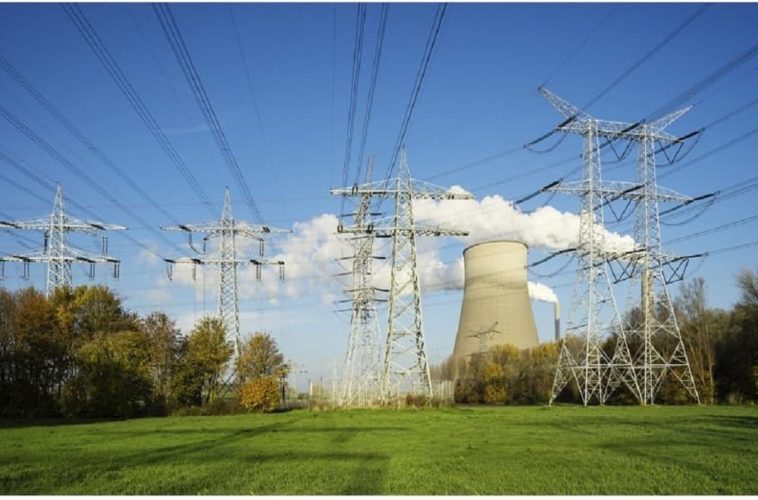
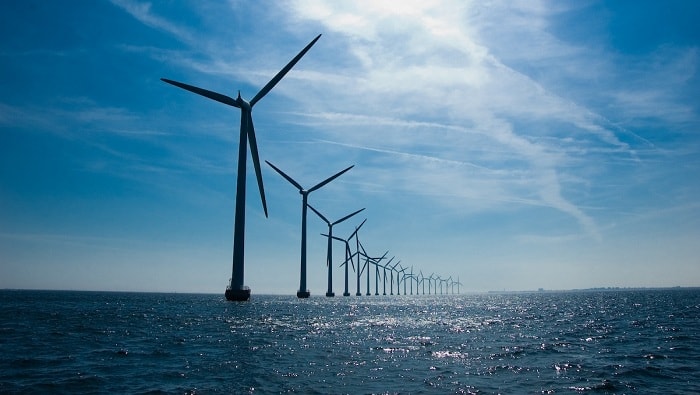




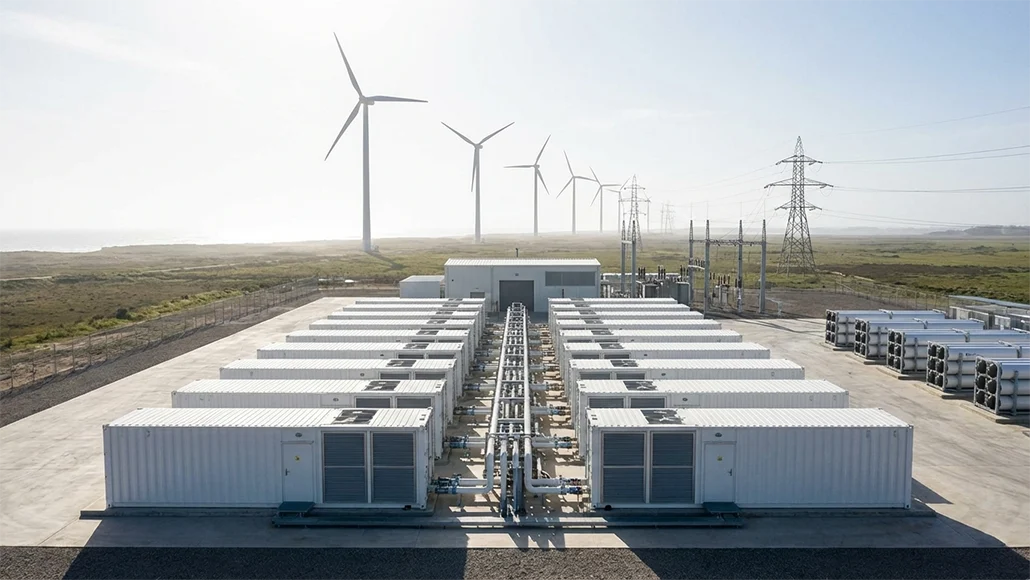
The global energy transition is currently witnessing a massive surge in the planned capacity of water electrolysis systems. As the primary technology for producing green hydrogen, electrolyzers are moving from small-scale pilot demonstrations to multi-gigawatt utility installations. This shift requires a fundamental reimagining of deployment strategies, moving away from “off-the-shelf” components toward integrated, modular power plants. The successful execution of electrolyzer deployment for utility power involves balancing technological selection, systemic efficiency, and the complex logistics of water and electricity sourcing. For utility operators, the goal is to create a robust, dispatchable asset that can harmonize with the variable nature of renewable energy while ensuring the long-term integrity of the equipment.
Technological Selection: Alkaline versus PEM Architectures
The first strategic decision in any utility-scale project is the selection of the core electrolysis technology. For decades, alkaline water electrolysis (AWE) has been the industrial standard due to its maturity and lower capital expenditure. However, Proton Exchange Membrane (PEM) electrolyzers have gained significant traction because of their rapid response times and higher current densities. When considering electrolyzer deployment for utility power, the choice often depends on the specific characteristics of the power source. If the facility is directly coupled with highly volatile wind or solar farms, PEM’s ability to ramp from zero to full load in seconds makes it a superior choice for grid-balancing services.
Stack Durability and Degradation Management
Regardless of the technology chosen, managing the degradation of the electrolyzer stacks is a primary operational concern. Utility-scale systems are expected to operate for tens of thousands of hours. In a variable power environment, the constant cycling of the stacks can lead to accelerated degradation of the catalysts and membranes. Advanced deployment strategies now include redundant stack configurations, allowing for maintenance to be performed on individual modules without shutting down the entire facility. This modularity ensures that electrolyzer deployment for utility power maintains high availability and protects the massive capital investment over a twenty-year lifecycle.
Balance of Plant and Power Electronics Integration
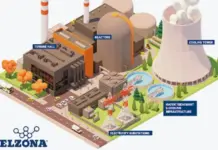
An electrolyzer stack is only one component of a much larger system. The “Balance of Plant” (BoP) which includes power conversion systems, cooling units, and gas purification often accounts for a significant portion of the total project cost. For utility-grade installations, the integration of high-efficiency power electronics is critical. Converting high-voltage AC from the grid into the precise DC required for electrolysis must be done with minimal loss. Strategic electrolyzer deployment for utility power focuses on optimizing these conversion steps, utilizing silicon carbide (SiC) inverters and advanced transformer designs to maximize the “electrons-to-molecules” efficiency.
Heat Recovery and Systemic Thermal Management
Electrolysis is an exothermic process, and managing the waste heat is both a challenge and an opportunity. In a gigawatt-scale facility, the amount of heat generated is substantial. Rather than simply dissipating this heat, modern deployment strategies seek to integrate it into secondary processes. For example, the waste heat can be used to drive desalination units or provide district heating to nearby communities. By incorporating thermal management into the initial design of electrolyzer deployment for utility power, operators can increase the overall energy efficiency of the site by several percentage points, significantly impacting the project’s financial feasibility.
Water Sourcing and Sustainable Logistics
The availability of high-purity water is a frequently overlooked constraint in the scaling of hydrogen production. For every kilogram of hydrogen produced, roughly nine to ten liters of purified water are consumed. In many regions suitable for solar power, water is a scarce resource. Therefore, electrolyzer deployment for utility power must include a comprehensive water management strategy. This often involves the construction of dedicated desalination plants or the reuse of treated wastewater. Ensuring that the hydrogen production process does not compete with local agricultural or residential water needs is essential for maintaining the social license to operate.
High-Purity Feedwater and Electrolyte Management
The longevity of the electrolyzer membranes is directly tied to the purity of the feedwater. Even trace amounts of ions or minerals can poison the catalysts, leading to rapid performance loss. Utility-scale facilities must therefore implement multi-stage purification systems, including reverse osmosis and ion exchange resins. In alkaline systems, managing the concentration and purity of the potassium hydroxide (KOH) electrolyte is equally important. These chemical management systems are integral to the broader framework of electrolyzer deployment for utility power, requiring specialized chemical engineering expertise to ensure stable, long-term operation.
Regulatory Compliance and Economic Scaling
As the industry moves toward gigawatt-scale installations, the regulatory landscape is also evolving. Governments are introducing “additionality” rules, which require that the electricity used for green hydrogen comes from new, dedicated renewable sources rather than existing grid capacity. Navigating these rules is a core part of electrolyzer deployment for utility power. Furthermore, the achievement of “manufacturing economies of scale” is lowering the cost of individual units, but the “soft costs” such as permitting, engineering, and construction remain significant. Strategic project management focuses on standardizing plant designs to reduce these costs and accelerate the deployment timeline.
Future-Proofing Through Modular Expansion
The rapid pace of technological innovation means that any facility built today must be capable of incorporating future advancements. Many utility leaders are adopting a “plug-and-play” architecture that allows for the seamless replacement of older stacks with newer, more efficient versions as they become available. This foresight is a defining characteristic of successful electrolyzer deployment for utility power. By designing for expansion and upgrades, utilities can ensure that their hydrogen production assets remain competitive in a rapidly changing energy market, providing the stable, clean energy that the future grid demands.
Key Takeaways
- Scaling electrolysis to the utility level requires a move from bespoke projects to standardized, modular power plant designs that prioritize BoP efficiency and thermal integration. This shift is essential for reducing the capital and operational costs associated with large-scale hydrogen production.
- The selection of technology and water management strategies must be tailored to the local environment and the characteristics of the renewable power source. Ensuring that water use is sustainable and that power conversion is optimized are the cornerstones of long-term commercial viability for hydrogen assets.
The expansion of electrolyzer capacity to the utility scale represents a technological frontier in the energy transition. Unlike the smaller pilot plants of the past, today’s utility-grade facilities must be treated as complex, grid-synchronized power stations. The successful electrolyzer deployment for utility power relies on a holistic design philosophy that treats the electrolyzer stack, power electronics, and balance of plant as a single, optimized unit. By focusing on modularity, the industry can achieve the rapid scaling required to meet global hydrogen demand while maintaining the flexibility to incorporate future technological breakthroughs. The strategic integration of heat recovery and sustainable water sourcing further enhances the environmental and economic credentials of these facilities. As utilities increasingly become the primary producers of green hydrogen, the lessons learned from early gigawatt-scale projects will define the blueprint for a decarbonized global energy system.