




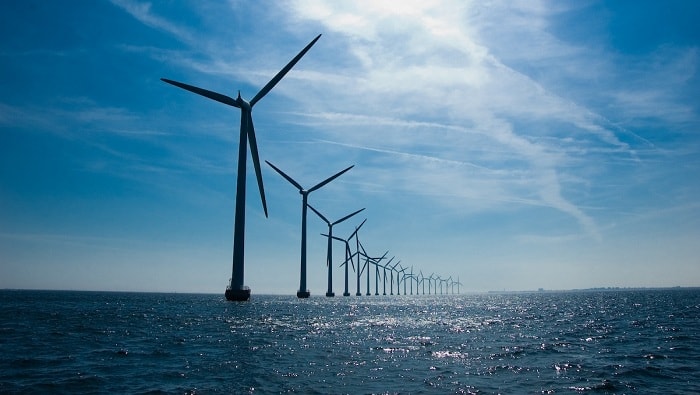


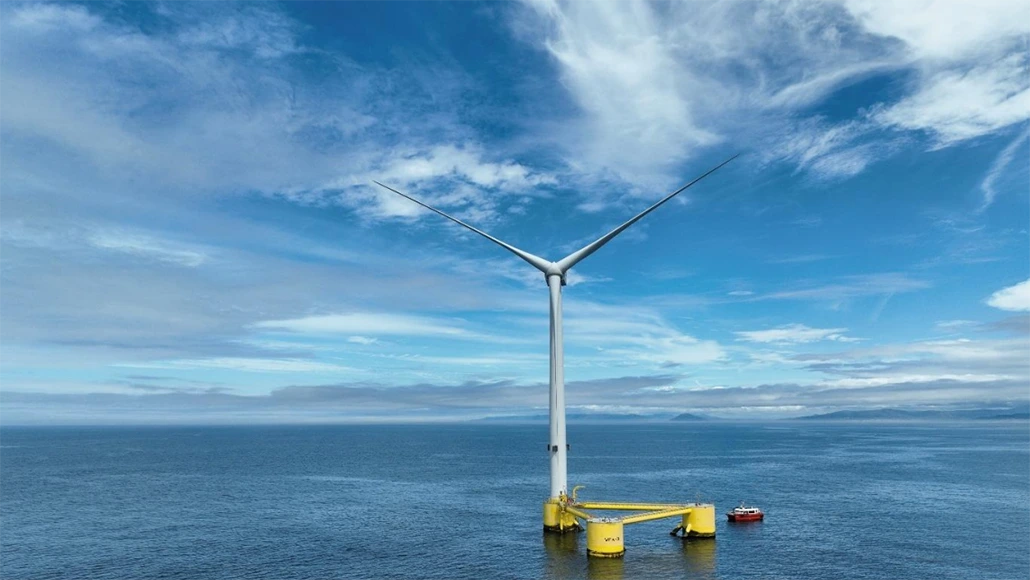
As global electricity demand is projected to double by 2050, the role of offshore wind has never been more critical. However, traditional fixed-bottom technology alone cannot meet these needs, especially since 70% of the world’s offshore wind resources are located in deep waters. To bridge this gap, the industry must transition toward commercial-scale deployment of floating technology.
Key Takeaways for the Industry:
- Essential for Net Zero: Floating offshore wind is the only scalable pathway for many countries with deep coastlines to achieve domestic renewable energy security.
- The “Stalemate”: The industry is in a holding pattern where developers need policy clarity, suppliers need demand confidence, and governments want cost reductions before providing more support.
- Technological Readiness: With over 278 MW operational across more than 15 projects, the technical feasibility is proven with the challenge remaining in commercial scalability.
- Policy Must Lead: Establishing an attractive policy landscape including clear targets and stable revenue mechanisms is the primary lever to unlock investment and drive industrialization.
Recent Milestones and the Global Pipeline
The industry has successfully moved beyond mere demonstration projects. Major operational milestones include the 11-turbine Hywind Tampen project and the WindFloat Atlantic project, which have validated fundamental engineering concepts. Currently, national targets for the technology exceed 40 GW globally, and a development pipeline of hundreds of gigawatts is emerging.
Significant commercial-scale projects are now advancing, such as the 560 MW GreenVolt in the UK and the 750 MW Firefly project in South Korea. These developments are expected to help the industry reach a milestone of over 2 GW of installed capacity by 2030.
Industry Challenges and Recent Setbacks
Despite these milestones, momentum has recently begun to stall due to rising costs and inconsistent policy signals. In early 2025, a major shift occurred in the United States, where the target of 15 GW by 2030 was deprioritized following a change in administration. This led to rapid developer withdrawal, highlighting how fragile emerging markets can be without policy continuity.
Additionally, the broader offshore wind sector has faced failed auctions due to misaligned auction conditions that did not account for inflation and high interest rates. For floating offshore wind specifically, sustained high costs remain a barrier because the industry has not yet achieved the repetition and volume required for true economies of scale.
Economic and Strategic Implications
The implications of these events are significant. If the industry continues on a “business-as-usual” trajectory, it may only reach 100 GW to 260 GW by 2050, which is far below the 2,465 GW required to meet global decarbonization goals. The current “stalemate” creates a cycle of uncertainty indicating that suppliers are hesitant to invest in capital-intensive manufacturing without a secure project pipeline, and developers cannot build that pipeline without confirmed supply chain capacity.
Furthermore, the high perceived risk of the technology, despite its proven engineering, leads to a higher cost of capital and increased debt premiums. This makes financing more difficult to secure at a time when industrialization is most needed.
The Path to Commercialization
To break this stalemate, the sources recommend several priority actions. First, governments must treat floating wind as a distinct technology from fixed-bottom wind, providing tailored incentives and auction structures that reflect its unique maturity level.
There is also a growing need for a regional approach to supply chain development. A recent successful example is the FLOW Ports Alliance between ports in France, Ireland, and the UK, which aims to standardize port design and operational practices. Finally, international cooperation is essential. The adoption of a Global Cooperation Charter could align policy signals and de-risk the global pipeline, ensuring that floating offshore wind transitions from a high-risk perception to a cornerstone of a resilient clean energy system.
Click here to read the complete whitepaper to know more about the current trends and challenges in the floating offshore wind sector.