
















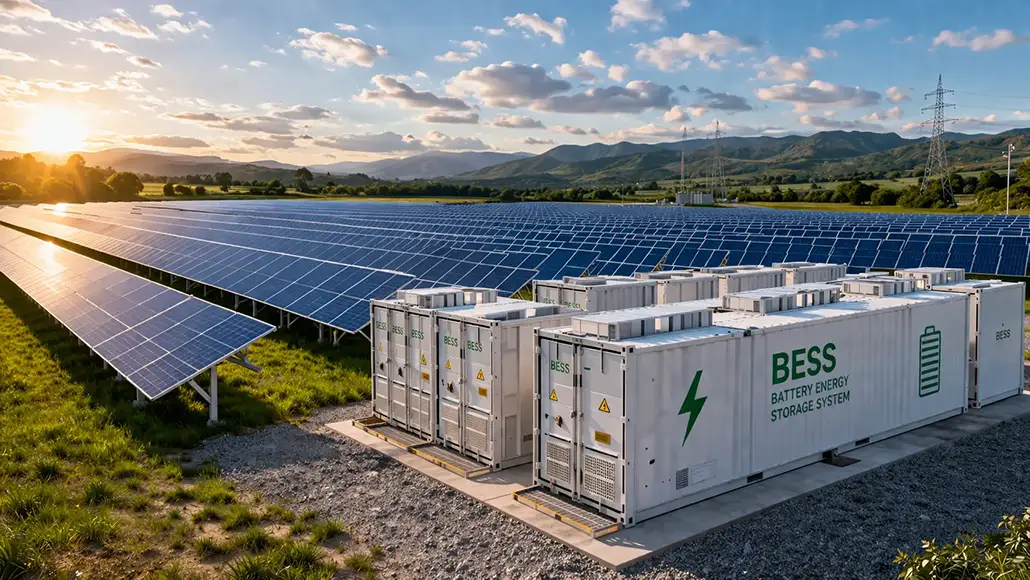
Zambia has introduced a large-scale programme aimed at delivering 300 MW solar and Battery Energy Storage Systems (BESS) projects, signalling a decisive move toward building a cleaner and more dependable energy system. The initiative is being implemented in collaboration with Norway under Paris Agreement Article 6, a framework that enables countries to work together on climate targets through carbon credit trading. Through this effort, Zambia is positioning the 300 MW solar and BESS projects as a cornerstone of its broader strategy to diversify energy sources and improve system resilience.
A central feature of the programme is the introduction of a financing structure known as the “Carbon Feed-In Premium.” This model is intended to draw private sector participation into renewable energy by guaranteeing a fixed payment for carbon credits generated by eligible projects over a minimum period of ten years. By creating an additional and predictable revenue stream alongside electricity sales, the mechanism helps mitigate investment risks and improves project bankability. The 300 MW solar and BESS projects are expected to benefit directly from this approach, as developers gain stronger financial certainty when advancing proposals under the scheme.
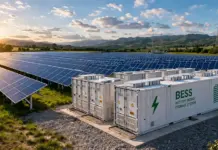
The programme also places significant emphasis on energy storage integration. All participating projects must incorporate Battery Energy Storage Systems (BESS), with a minimum storage requirement of at least 30 minutes for each installation. This requirement is designed to enhance grid stability and ensure consistent power delivery during periods of low solar generation. In addition, the deployment of storage within the 300 MW solar and BESS projects is expected to reduce Zambia’s dependence on hydroelectric power, which remains vulnerable to drought, as well as limit reliance on coal-based generation.
To be eligible, developers are required to demonstrate that their projects are already at an advanced development stage but have not yet entered construction. They must also establish the presence of a financing gap, indicating that progress is contingent on carbon credit support. Compliance with international environmental and social standards is mandatory, alongside alignment with national priorities such as emissions reduction and job creation. The application window is currently open and will close on May 31, 2026, after which submissions will be assessed between July and August. Successful applicants will enter into agreements with Zambia National Commercial Bank, which will oversee the disbursement of carbon finance payments. This initiative underscores Zambia’s commitment to leveraging international climate finance to reinforce energy security and accelerate its transition toward sustainability.