












The transition to a global hydrogen economy is a capital-intensive undertaking, with the development of transport and distribution networks representing one of the most significant costs. To accelerate this transition and minimize the financial burden on consumers, the energy sector is increasingly focused on repurposing gas infrastructure hydrogen transport. The global natural gas grid, consisting of millions of miles of high-pressure pipelines, is a massive sunk asset that can potentially be converted to carry hydrogen. By leveraging this existing infrastructure, utilities can reduce the capital cost of a hydrogen backbone by up to 50% to 80% compared to building a new dedicated system. However, this conversion process is a complex engineering challenge that requires a deep understanding of material science, thermodynamics, and operational safety.
Material Science Challenges and Hydrogen Embrittlement
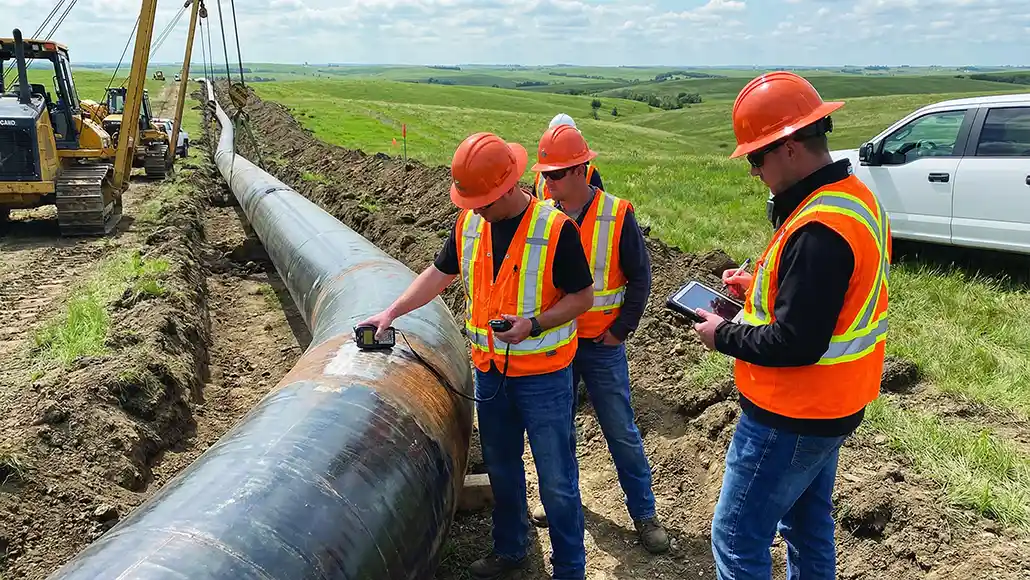
The primary technical hurdle in repurposing gas infrastructure hydrogen transport is the phenomenon of hydrogen embrittlement. Hydrogen is a tiny molecule that can diffuse into the crystal lattice of high-strength steels, which are commonly used in transmission pipelines. Once inside, the hydrogen atoms can recombine into molecules, creating internal pressure that leads to micro-cracks and a significant reduction in the material’s ductility. This can cause the pipe to fail catastrophically under pressures that would be perfectly safe for natural gas. Engineering teams must conduct rigorous metallurgical audits of existing pipelines to identify the specific grades of steel used and determine their suitability for hydrogen service, often using specialized ultrasonic and magnetic flux leakage sensors to detect existing flaws.
Advanced Relining and Coating Technologies
For pipelines that are found to be at risk of embrittlement, advanced relining technologies offer a viable solution. This involves inserting a flexible, high-density polymer or composite liner into the existing steel pipe, creating a protective barrier between the hydrogen and the steel. These liners are designed to handle the high pressures required for utility-scale transport while minimizing the diffusion of hydrogen. Additionally, internal coatings based on epoxy or ceramic materials are being developed to provide a similar protective layer. By utilizing these retrofitting techniques, repurposing gas infrastructure hydrogen transport becomes a manageable engineering task that preserves the physical right-of-way while ensuring the long-term integrity of the network.
Thermodynamic and Compression Requirements
Hydrogen has a significantly lower volumetric energy density than natural gas roughly one-third that of methane. This means that to transport the same amount of energy, the volume of gas flowing through the pipeline must be three times higher. Repurposing gas infrastructure hydrogen transport therefore requires a major upgrade to the compression stations along the route. Traditional centrifugal compressors used for natural gas are often not suitable for hydrogen due to its low molecular weight. They must be either modified with higher-speed impellers or replaced with reciprocating or diaphragm compressors. Furthermore, the higher flow rates lead to increased pressure drops, necessitating more frequent or powerful compression points to maintain the necessary throughput.
Leakage Management and High-Sensitivity Detection
Hydrogen is not only smaller than methane but also more buoyant and has a wider flammability range. This makes the management of leakage a critical part of repurposing gas infrastructure hydrogen transport. Seals, valves, and joints that are considered “gas-tight” for natural gas may not be sufficient for hydrogen. The conversion process involves a comprehensive overhaul of all mechanical connections, often replacing standard seals with specialized elastomers that are resistant to hydrogen permeation. Additionally, the network must be equipped with a new generation of high-sensitivity sensors that can detect hydrogen leaks in the parts-per-billion range, integrated into a real-time digital monitoring system that can trigger automated shut-offs in the event of an anomaly.
Hydrogen Blending as an Intermediate Step
For many utilities, the transition from 100% natural gas to 100% hydrogen will be a phased process starting with hydrogen blending. By mixing 5% to 20% hydrogen into the natural gas stream, the industry can begin to decarbonize without immediate and massive changes to the entire network. Repurposing gas infrastructure hydrogen transport for blended service allows for the validation of the system’s integrity and the calibration of end-user appliances, such as boilers and turbines. As the volume of hydrogen increases, the network is gradually upgraded until it is ready for pure hydrogen service. This incremental approach de-risks the transition and allows for the costs of infrastructure conversion to be spread out over several years.
Metering and End-User Equipment Compatibility
A critical and often overlooked part of the conversion process is the metering system. Traditional gas meters measure volume, but because hydrogen has a different energy content than methane, the billing systems must be updated to reflect the actual energy delivered. Furthermore, the end-user equipment including industrial burners and residential stoves must be verified for compatibility. Most modern gas turbines and industrial boilers can handle significant hydrogen blends, but moving to 100% hydrogen often requires burner retrofits to manage the higher flame temperature and faster combustion speed of hydrogen. Ensuring this “downstream” compatibility is a vital component of the broader strategy for repurposing gas infrastructure hydrogen transport.
The Strategic Vision of a Global Hydrogen Backbone
The ultimate goal of these efforts is the creation of a “Hydrogen Backbone” a high-capacity network that connects renewable energy hubs with industrial and residential demand centers. Initiatives like the “European Hydrogen Backbone” (EHB) envision a network of over 50,000 kilometers of pipelines by 2040, with roughly 60% consisting of repurposed gas infrastructure. Repurposing gas infrastructure hydrogen transport is the only way to achieve this vision within the required climate timelines. It allows for the rapid integration of diverse hydrogen sources including green hydrogen from North Sea wind and blue hydrogen from the Middle East into a unified and resilient global energy market.
Regulatory and Legal Frameworks for Conversion
For widespread repurposing to occur, the regulatory and legal frameworks must evolve. This includes establishing international standards for hydrogen purity, pipeline pressure, and safety protocols. Furthermore, the legal “right-of-way” for existing pipelines must be clarified to ensure they can be used for hydrogen without new and lengthy environmental impact assessments. Governments are increasingly providing the “regulatory sandboxes” and financial incentives needed for utilities to undertake these conversion projects. By providing clear guidance and sharing the technical risks, policy makers can ensure that repurposing gas infrastructure hydrogen transport becomes the standard path for the modernization of the world’s energy networks.
The conversion of our existing gas networks is the most cost-effective and rapid way to build the hydrogen infrastructure of the future. Repurposing gas infrastructure hydrogen transport leverages trillions of dollars in existing assets to facilitate the move to a net-zero world. While the technical hurdles from hydrogen embrittlement to high-speed compression are significant, they are being met with innovations in material science and digital monitoring. By taking a phased approach that starts with blending and moves toward 100% hydrogen service, utilities can manage the risks and costs of the transition. The creation of a global hydrogen backbone depends on our ability to breathe new life into our current pipelines, transforming them into the lifelines of a clean energy economy. Ultimately, repurposing gas infrastructure hydrogen transport is not just an engineering project; it is a strategic imperative for a sustainable and secure energy future.