











The vision of a global hydrogen economy is increasingly being realized through the development of localized, high-capacity ecosystems known as “hydrogen hubs.” These hubs are geographic clusters where hydrogen production, storage, and consumption are co-located, often in proximity to major industrial centers or transportation nodes. By concentrating these assets, hydrogen hubs regional energy transformation are able to achieve the economies of scale and infrastructure efficiencies that are impossible with isolated projects. This collaborative model is the primary engine for accelerating the energy transition, providing a blueprint for how regions can decarbonize their heavy industry and transport sectors while fostering economic growth and energy security.
The Strategic Architecture of a Hydrogen Hub
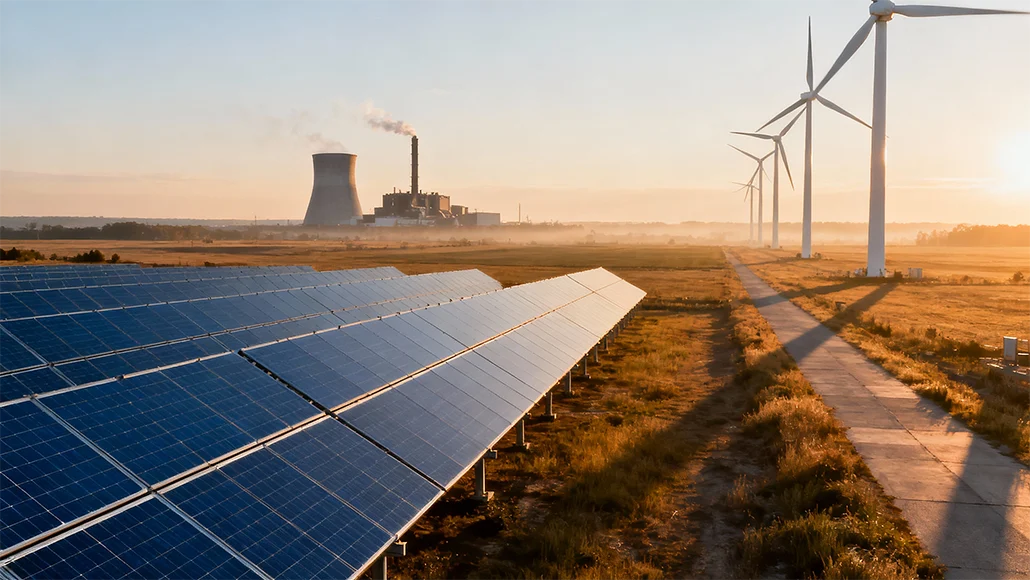
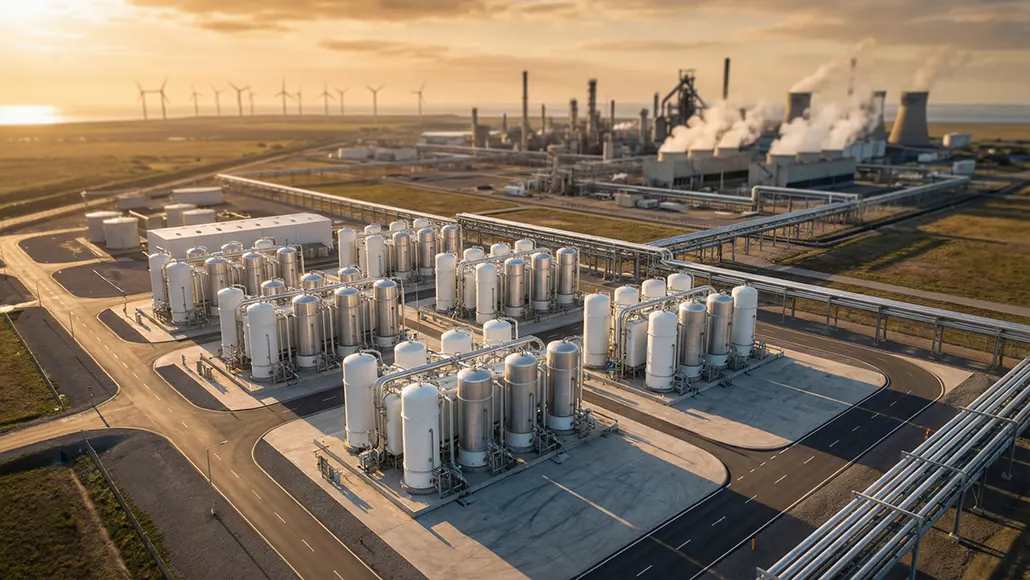
A successful hydrogen hub is built on a foundation of shared infrastructure and diverse end-users. The production component typically involves large-scale electrolyzers powered by regional wind and solar farms (green hydrogen) or natural gas reforming plants with integrated carbon capture (blue hydrogen). This hydrogen is then distributed through a localized network of pipelines to multiple consumers, such as oil refineries, steel mills, and heavy-duty trucking fleets. The concentration of demand in a hydrogen hubs regional energy transformation provides the “anchor load” that de-risks the investment for producers and infrastructure operators. This integrated architecture allows for the optimized management of energy flows, reducing costs and maximizing the systemic efficiency of the entire regional network.
Economies of Scale and Infrastructure Efficiency
One of the primary advantages of the hub model is the reduction in unit costs through shared services. In a hydrogen hubs regional energy transformation, multiple users can share the costs of high-capacity storage assets such as salt caverns and midstream logistics like high-pressure compression stations and pipeline backbones. This sharing of infrastructure significantly lowers the barrier to entry for smaller industrial players who could not afford to build their own dedicated systems. Furthermore, the large volumes handled by a hub allow for the standardization of equipment and safety protocols, further driving down the capital and operational expenditures and making clean hydrogen a more competitive alternative to traditional fossil fuels.
Fostering Cross-Sector Collaboration and Circularity
Hydrogen hubs are uniquely positioned to foster “sector coupling,” where the gas, electricity, and industrial sectors support each other in a circular energy ecosystem. For example, the waste heat generated by large-scale electrolysis can be used to provide district heating or to drive other industrial processes within the hub. Similarly, the pure oxygen byproduct of green hydrogen production can be used in medical facilities or in oxy-fuel combustion for the cement industry. This high level of circularity is a defining characteristic of hydrogen hubs regional energy transformation. It ensures that every part of the energy and material value chain is utilized to its maximum potential, reducing waste and further improving the environmental and economic performance of the entire region.
The Hub as an Anchor for Renewable Energy Growth
Hydrogen hubs act as a massive, flexible load that can absorb excess renewable energy that would otherwise be curtailed. This is a critical function in a grid dominated by intermittent wind and solar. In a hydrogen hubs regional energy transformation, the electrolyzers can be ramped up during periods of high renewable output and low demand, effectively storing that energy in the form of hydrogen molecules. This capability provides a powerful incentive for the further development of regional renewable assets, as it ensures there is always a “buyer” for the clean electrons. In this way, the hub serves as a catalyst for the total decarbonization of the regional power grid, providing the stability and resilience required for a sustainable future.
Global Models for Regional Hub Development
The hub model is being adopted by major economies around the world as the primary path to a hydrogen economy. In the United States, the Department of Energy’s Regional Clean Hydrogen Hubs program is investing $7 billion to establish seven major hubs across the country, each with a different focus on fuel sources and end-uses. Similarly, the European Union is supporting dozens of “Hydrogen Valleys” through its Clean Hydrogen Partnership. These initiatives are not just about energy; they are about regional economic development. Hydrogen hubs regional energy transformation are often located in traditional industrial regions, providing a “just transition” for workers by creating new, high-skilled jobs in a sustainable sector that leverages their existing expertise in engineering and manufacturing.
Public-Private Partnerships and the Funding Gap
Building a multi-user hydrogen hub requires a sophisticated financing structure that often involves Public-Private Partnerships (PPPs). The high upfront capital costs and the risks associated with early-stage markets mean that government support is essential to bridge the “funding gap.” This can take the form of grants, loan guarantees, or carbon contracts for difference. For financing hydrogen hubs regional energy transformation, the role of the public sector is to provide the “catalytic” capital that de-risks the project for private investors. As the hub begins to demonstrate operational success and cost reductions, it will attract more conservative institutional capital, eventually becoming a self-sustaining and profitable component of the regional economy.
The Hub as a Gateway to International Hydrogen Trade
For coastal regions, a hydrogen hub can also serve as a gateway to the global hydrogen market. By integrating production and storage with deep-water port terminals, hubs can facilitate the import and export of hydrogen and its derivatives like ammonia and methanol. This global connectivity is a key part of hydrogen hubs regional energy transformation. It allows a region to monetize its renewable resources on a global scale or to secure a stable supply of clean energy from the most cost-effective global producers. These “export hubs” are becoming the anchors of new international energy trade routes, redefining the geopolitics of the 21st century by shifting the focus from fossil fuel reserves to renewable energy abundance.
Safety, Regulation, and Community Engagement
The success of a hydrogen hub is also dependent on the development of rigorous safety standards and active community engagement. High-pressure hydrogen handling requires specialized engineering and constant monitoring to prevent incidents. In a hydrogen hubs regional energy transformation, the hub must operate under a clear regulatory framework that covers everything from gas purity to noise levels and visual impact. Furthermore, developers must work closely with local communities to ensure that the benefits of the hub such as job creation and improved air quality are clearly understood and shared. This “social license to operate” is as essential as any technical component for the long-term sustainability of the project.
The development of regional hydrogen hubs is the most effective way to build a functional and scalable hydrogen economy. Hydrogen hubs regional energy transformation provide the geographic concentration of production, storage, and demand that is necessary to achieve economies of scale and drive down costs. By fostering cross-sector collaboration and enabling the circular use of energy and materials, these hubs transform traditional industrial centers into clean energy clusters. The integration of electrolyzers with the renewable grid provides the flexibility required for a resilient energy system, while the hub’s role in international trade connects regions to the global energy market. The transition to this model requires a monumental coordination of policy, finance, and engineering, but the result will be a more secure, sustainable, and prosperous future for every region that embraces the hydrogen revolution. Ultimately, hydrogen hubs are more than just infrastructure projects; they are the engines of a sustainable industrial future, ensuring that the energy transition is as equitable as it is essential.