








The persistence of thermal power plants in the global energy mix, despite the rise of renewables, is a reflection of the ongoing need for reliable, dispatchable baseload electricity. However, the environmental impact of these facilities is no longer compatible with international climate targets. This reality has placed carbon capture in thermal power infrastructure at the forefront of the technological transition. By capturing carbon dioxide at the source before it enters the atmosphere, utilities can mitigate the emissions profile of existing assets. This integration is a multifaceted engineering challenge that involves thermodynamic optimization, chemical solvent management, and the development of extensive transportation and storage networks.
Thermodynamic Challenges of Post-Combustion Capture
The most common method for integrating carbon capture involves post-combustion chemical absorption, typically using amine-based solvents. When we analyze carbon capture in thermal power infrastructure, the primary concern is the “parasitic load” the energy required to regenerate the chemical solvents. This process requires significant amounts of steam, which is usually bled from the power plant’s low-pressure turbines. This reduction in available steam for electricity generation can lead to an efficiency drop of several percentage points. Modern engineering solutions are focused on advanced heat integration, where waste heat from the capture unit is used to preheat feedwater, thereby minimizing the overall impact on the plant’s net power output.
Solvent Innovation and Environmental Footprints
The effectiveness of the capture process is largely determined by the performance of the solvent. Early amine systems faced issues with degradation and the formation of nitrosamines, which posed environmental risks. Today, researchers are developing “second-generation” solvents with higher CO2 loading capacities and lower heat requirements for regeneration. Integrating carbon capture in thermal power infrastructure also means managing the auxiliary systems required to handle these chemicals. This includes robust filtration and reclamation units to ensure that solvent loss is minimized and that the capture process does not introduce new pollutants into the air or water.
Retrofitting Existing Assets for Longevity
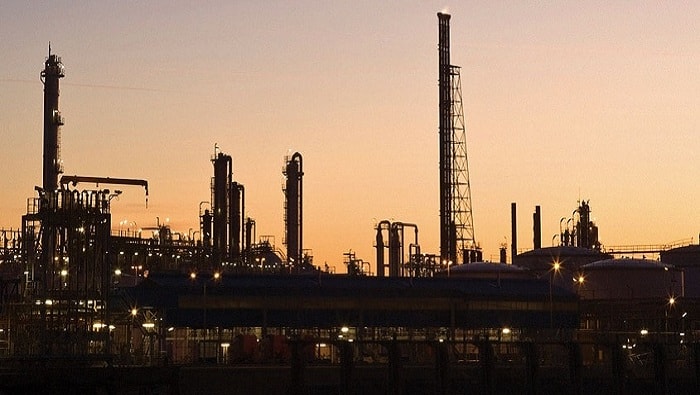
One of the strongest arguments for carbon capture in thermal power infrastructure is the preservation of capital investment. Many coal and natural gas plants are relatively young or have undergone recent upgrades; retiring them prematurely would lead to massive stranded assets. Retrofitting these plants with carbon capture technology allows them to operate within strict emission limits while continuing to provide the grid with essential services like voltage support and synchronous inertia. The physical footprint of a capture plant is considerable, often requiring the acquisition of adjacent land and the rerouting of major flue gas ducts, which adds layers of logistical complexity to the installation.
Structural Integrity and Corrosion Management
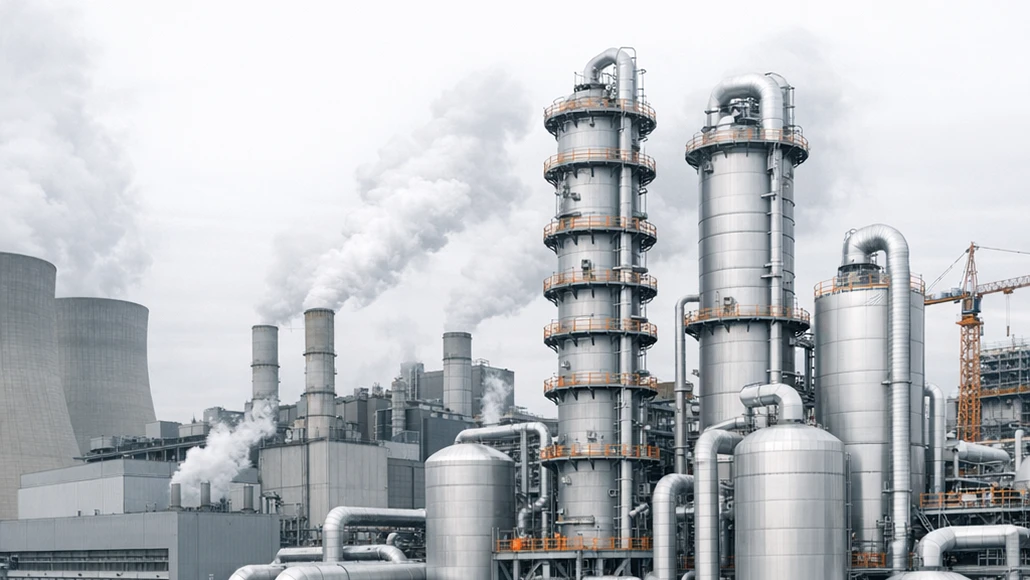
The integration process also necessitates a thorough review of the plant’s structural and material health. CO2 in the presence of moisture can be highly corrosive. Therefore, the ductwork and capture vessels must be constructed from or lined with specialized alloys or coatings. Engineers must also account for the pressure drops introduced by the capture equipment, which often requires the installation of powerful booster fans. These modifications are part of a broader strategy of carbon capture in thermal power infrastructure that transforms a standard combustion facility into a sophisticated chemical processing plant.
Midstream Logistics and the CO2 Supply Chain
Capturing the carbon is only half of the solution. The integrated system must also include the infrastructure to transport the compressed gas to a permanent sequestration site or a facility for utilization. This midstream component is a critical bottleneck in the wider adoption of carbon capture in thermal power infrastructure. Developing high-pressure pipelines requires navigating complex regulatory landscapes and public perception issues. In many regions, the concept of “carbon hubs” is emerging, where multiple industrial sources share a single pipeline network to reduce individual costs and streamline the permitting process.
Deep Geological Sequestration and Monitoring
Permanent storage usually involves injecting the CO2 into deep saline aquifers or depleted oil and gas reservoirs. This process requires precise geological modeling to ensure that the gas remains trapped underground for centuries. The integration of carbon capture in thermal power infrastructure therefore extends thousands of feet below the surface. Utilities must implement sophisticated monitoring, verification, and reporting (MRV) protocols, using seismic sensors and satellite imagery to detect any potential leakage. This level of oversight is essential for maintaining public trust and for qualifying for carbon credits or tax incentives.
Economic Frameworks and Carbon Markets
The financial feasibility of carbon capture in thermal power infrastructure is heavily dependent on the price of carbon. In markets like the European Union, the high cost of emission allowances has made CCUS increasingly attractive. In the United States, tax credits such as 45Q provide a direct financial incentive for every ton of CO2 captured and stored. However, for CCUS to become the standard for the industry, the capital costs must continue to fall. This will be achieved through modular design, standardization of capture units, and the “learning by doing” effect as more large-scale projects come online.
Balancing Costs with Grid Reliability
From a utility’s perspective, the cost of carbon capture in thermal power infrastructure must be weighed against the cost of alternative baseload sources like nuclear or long-duration energy storage. In many scenarios, retrofitting an existing thermal plant is the most cost-effective way to ensure a stable grid during the transition period. Furthermore, as natural gas prices fluctuate, the ability to operate a gas plant with carbon capture provides a hedge against the price volatility of electricity, as these plants can run more consistently than intermittent renewables.
The Future of Carbon Capture in Power Generation
As we look toward a net-zero future, the role of thermal power will likely diminish, but it will not disappear. Carbon capture in thermal power infrastructure serves as a vital bridge, allowing for a managed transition that avoids the pitfalls of energy shortages or grid instability. Future developments may include the integration of “direct air capture” alongside point-source capture to create “carbon negative” power plants. The engineering lessons learned today in retrofitting existing thermal plants will be the foundation for the next generation of zero-emission industrial processes.
The integration of carbon capture into thermal power systems represents one of the most significant engineering undertakings of the 21st century. It is a process that requires the merging of traditional combustion power engineering with advanced chemical processing. Carbon capture in thermal power infrastructure is not merely an “add-on” but a fundamental redesign of how energy is extracted from fossil fuels. The primary hurdle is the energy penalty associated with the capture process, which requires a rethinking of the entire plant’s steam cycle. By optimizing heat recovery and developing more efficient solvents, the industry is gradually reducing this penalty, making the technology more economically viable. Beyond the technical challenges, the success of CCUS depends on the development of a robust regulatory and logistical framework for the transportation and storage of CO2. This involves the creation of massive pipeline networks and the identification of secure geological formations for long-term sequestration. When viewed as part of a broader energy strategy, carbon capture in thermal power infrastructure provides a way to maintain grid reliability and protect economic assets while meeting aggressive decarbonization goals. It allows for the continued use of existing power plants as a reliable backstop to variable renewable energy, ensuring that the lights stay on even as we move toward a cleaner future. The maturity of this technology will be a deciding factor in whether the global community can achieve its climate objectives without sacrificing industrial productivity or energy security.