






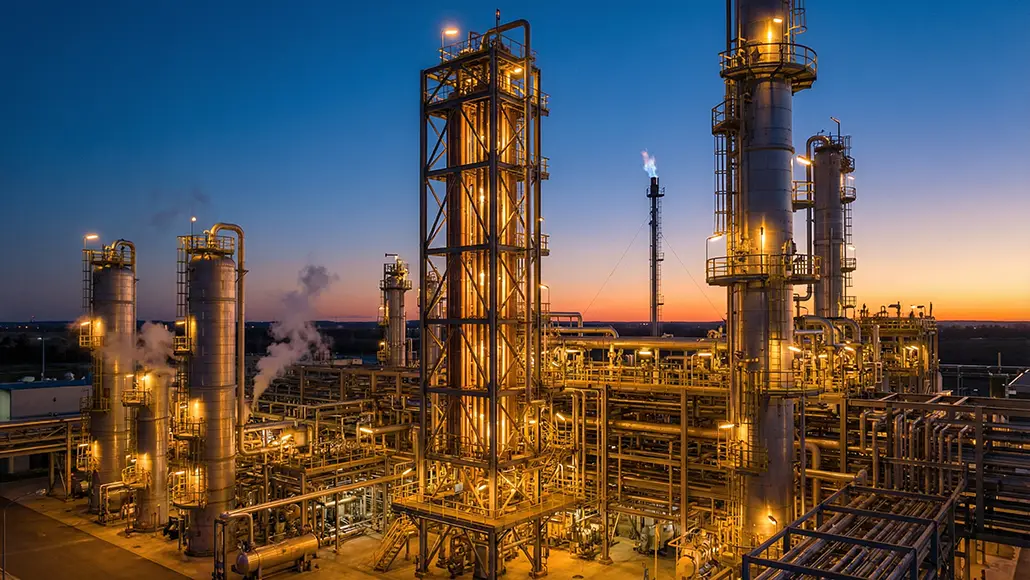
The global pursuit of net-zero emissions has catalyzed a multifaceted approach to energy production, where the transition from fossil fuels to renewable sources must be managed with both urgency and pragmatic engineering. At the heart of this transition lies the concept of blue hydrogen, which serves as a vital bridge in the decarbonization journey. By utilizing natural gas as a feedstock but capturing the resulting carbon dioxide emissions, blue hydrogen integrated carbon storage offers a high-volume, low-carbon alternative to traditional methods. This technology allows for the continued use of existing natural gas infrastructure while significantly mitigating the atmospheric impact of hydrogen production. The integration of carbon capture and sequestration is not merely an auxiliary process but the defining characteristic that elevates blue hydrogen to a critical component of the future energy mix.
The Thermodynamic and Chemical Foundations of Reforming
To understand the role of blue hydrogen integrated carbon storage, one must first analyze the primary methods of hydrogen extraction from methane. Steam Methane Reforming (SMR) remains the most prevalent industrial process. In an SMR plant, natural gas is reacted with steam under high pressure and temperature in the presence of a catalyst, typically nickel-based. This reaction yields syngas, a mixture of hydrogen and carbon monoxide. A subsequent water-gas shift reaction converts the carbon monoxide and additional steam into more hydrogen and carbon dioxide. While highly efficient at producing hydrogen, this process inherently generates CO2 as a byproduct. In a traditional “grey” hydrogen setup, this CO2 is vented into the atmosphere. The “blue” designation is achieved only when this carbon stream is captured and permanently isolated from the environment.
Autothermal Reforming and Enhanced Capture Efficiency
While SMR is the standard, Autothermal Reforming (ATR) is increasingly favored for large-scale blue hydrogen projects due to its superior compatibility with carbon capture. ATR combines steam reforming with partial oxidation, using oxygen instead of air. Because ATR uses internal combustion to provide the heat for the reforming reaction, the resulting flue gas is more concentrated with CO2 compared to the dilute streams of SMR. This higher concentration makes the capture process significantly more energy-efficient and cost-effective. Implementing blue hydrogen integrated carbon storage with ATR technology can achieve capture rates exceeding 95% and even reaching 99% in optimized configurations. This high level of abatement is essential for meeting the stringent lifecycle carbon intensity requirements of modern energy regulations and green financing frameworks.
The Logistics of Integrated Carbon Capture and Sequestration
The effectiveness of blue hydrogen integrated carbon storage is contingent upon the safe and permanent management of the captured CO2. This midstream and downstream sequence involves the compression of the gas into a supercritical state, its transport through dedicated pipelines, and its injection into secure geological formations. Saline aquifers, depleted oil and gas reservoirs, and unmineable coal seams are the primary candidates for storage. These formations provide the necessary porous rock layers to hold the CO2 and impermeable “cap-rock” layers to prevent its escape. The integration of the production facility with the storage site is a major logistical undertaking that requires precise geological modeling and long-term monitoring, verification, and reporting (MRV) protocols to ensure the integrity of the sequestration.
Geological Sequestration and Long-Term Monitoring
Once the CO2 is injected, it undergoes several trapping mechanisms. Initially, physical trapping occurs as the gas is held beneath the cap-rock. Over time, “residual trapping” takes place as the CO2 is caught in the pores of the rock, followed by “solubility trapping” where it dissolves into the formation water. Ultimately, “mineral trapping” can occur as the CO2 reacts with the minerals in the rock to form solid carbonates. This geological process ensures that blue hydrogen integrated carbon storage remains a permanent solution. Continuous monitoring using seismic sensors, pressure gauges, and satellite imagery allows operators to track the CO2 plume and verify that it remains safely contained, fulfilling the environmental promise of the low-carbon hydrogen value chain.
Economic Viability and the Role of Carbon Pricing
The financial case for blue hydrogen integrated carbon storage is heavily influenced by the regulatory environment and the cost of carbon. In many regions, carbon taxes or emission trading systems provide a direct financial incentive to capture CO2. For instance, the Section 45Q tax credit in the United States provides a significant per-ton credit for CO2 that is permanently sequestered. This type of fiscal support is critical for offsetting the capital and operational expenditures associated with the capture equipment and transport infrastructure. Furthermore, as the scale of these projects increases, the industry is seeing a reduction in costs through standardization and technological maturation, making blue hydrogen increasingly competitive with other low-carbon alternatives.
Market Adoption and Industrial Decarbonization
The primary markets for blue hydrogen are found in heavy industries such as oil refining, ammonia production, and steel manufacturing. These sectors already use vast quantities of hydrogen and have the existing infrastructure to integrate blue hydrogen integrated carbon storage without radical process changes. By switching from grey to blue hydrogen, these industries can achieve immediate and substantial reductions in their carbon footprint. This transition is also supported by the growing demand for “low-carbon” products from corporate customers and end-users, which allows producers to command a premium for their sustainably manufactured goods. This market pull is essential for the long-term sustainability of the hydrogen economy.
Safety Protocols and Environmental Stewardship
Handling both high-pressure hydrogen and compressed CO2 requires the highest standards of safety. Blue hydrogen integrated carbon storage facilities are designed with redundant safety systems, automated leak detection, and advanced materials that resist hydrogen embrittlement and CO2 corrosion. Environmental stewardship extends beyond the capture of carbon to the management of methane leakage across the entire natural gas supply chain. For blue hydrogen to be truly low-carbon, the upstream methane emissions must be minimized through rigorous leak detection and repair (LDAR) programs and the elimination of routine flaring. This holistic approach ensures that the “blue” label represents a genuine and significant contribution to global climate goals.
Synthesis of Natural Gas and Climate Goals
The integration of blue hydrogen into the global energy mix represents a synthesis of traditional resource management and modern climate science. Blue hydrogen integrated carbon storage provides a way to leverage the world’s abundant natural gas reserves while aligning with the imperative of decarbonization. It offers a scalable solution that can be deployed rapidly to reduce industrial emissions while the green hydrogen sector continues to mature and scale. By providing a reliable, low-carbon feedstock, blue hydrogen ensures that the transition to a sustainable future is both economically viable and technically feasible, maintaining the stability of our global energy systems throughout the coming decades.
The development of blue hydrogen integrated carbon storage is a cornerstone of a pragmatic energy transition. It represents the successful merging of traditional chemical engineering with modern sequestration science. By capturing and storing the CO2 generated during the reforming of natural gas, we can produce the massive volumes of low-carbon hydrogen required by heavy industry today. The technical superiority of Autothermal Reforming and the geological security of salt caverns and saline aquifers ensure that this process is both efficient and permanent. While green hydrogen remains the ultimate goal, the immediate scalability and cost-effectiveness of blue hydrogen make it an indispensable tool in our current decarbonization toolkit. The success of this technology depends on robust policy support, rigorous environmental monitoring, and a commitment to safety at every stage of the value chain. Ultimately, blue hydrogen integrated carbon storage allows us to make significant progress toward our climate goals without sacrificing industrial productivity or energy security, providing a bridge to a carbon-neutral world.