







Key Takeaways
- Data-Driven Energy Optimization
The transition to a smart grid is primarily driven by the integration of digital monitoring and real-time analytics. By utilizing the massive amounts of data from smart meters and sensors, utilities can now optimize energy distribution, reduce waste, and provide consumers with the tools they need to manage their own consumption. - Grid Flexibility and Renewables
Smart grid technologies provide the flexibility required to integrate variable renewable energy sources like solar and wind. Through demand-response programs and intelligent coordination of distributed energy resources, the smart grid ensures that renewable energy is utilized as efficiently as possible, supporting the transition to a carbon-neutral power system. - Enhanced Reliability and Asset Management
Distribution automation and predictive maintenance are critical for maintaining a reliable power network. By detecting and isolating faults automatically and predicting equipment failures before they occur, smart grid technologies minimize the impact of outages and extend the lifespan of electrical infrastructure.
The traditional electrical grid, built on a centralized model of large power plants and one-way distribution, is no longer adequate for the needs of the 21st century. As we move toward a world powered by intermittent renewable energy and the mass electrification of transportation, the grid must evolve into a dynamic, two-way communication network. This is the essence of the “smart grid.” At the core of this transformation are smart grid technologies enabling energy optimization, a suite of digital and power electronic solutions that allow for unprecedented levels of monitoring, control, and efficiency. By integrating information and communication technology into the electrical infrastructure, utilities and consumers can now collaborate to balance supply and demand in real-time, reducing waste and enhancing the resilience of the entire power network.
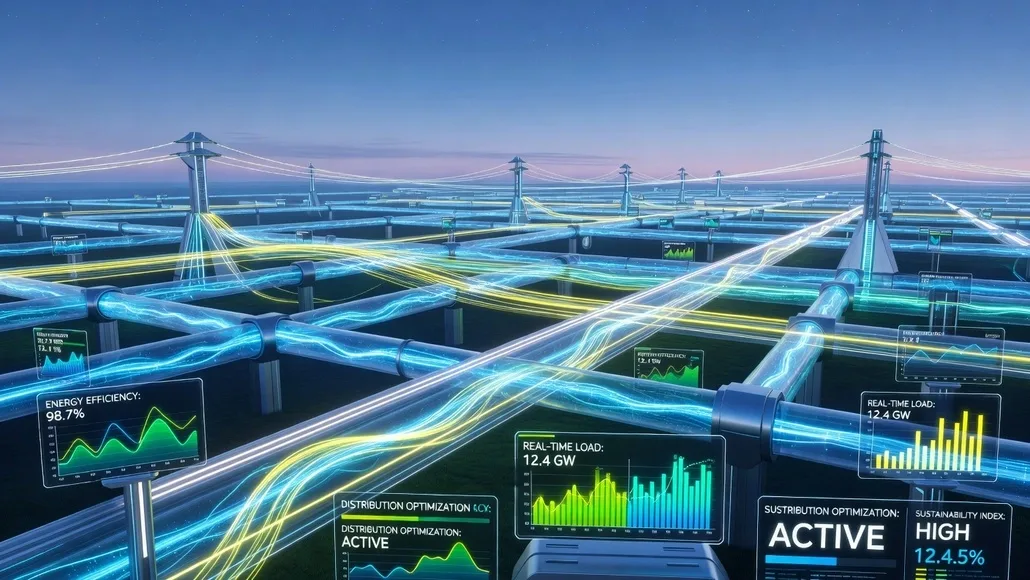
Energy optimization in a smart grid context goes beyond simple efficiency. it encompasses the intelligent management of the entire energy lifecycle from generation and transmission to distribution and consumption. This optimization is driven by the vast amounts of data generated by millions of smart meters, sensors, and intelligent electronic devices (IEDs) deployed throughout the grid. When this data is processed using advanced analytics and machine learning, it provides a clear picture of the grid’s health and performance, allowing for proactive adjustments that can save gigawatts of energy.
The Digital Foundation of Smart Grid Technologies
The digital grid is built on a foundation of high-speed communication and real-time data acquisition. Traditionally, utilities had very little visibility into the low-voltage distribution network, only becoming aware of problems when customers reported an outage. Smart grid technologies enabling energy optimization have changed this by providing real-time monitoring at every node of the grid. This visibility is achieved through the deployment of Advanced Metering Infrastructure (AMI) and distribution automation systems that can detect and report faults instantly.
Advanced Metering Infrastructure and Consumer Data
The most visible component of the smart grid for the average consumer is the smart meter. Unlike traditional mechanical meters, smart meters provide two-way communication between the home and the utility. They record energy consumption at short intervals often every 15 minutes and transmit this data back to the utility for billing and analysis. This granular data is the “fuel” for energy optimization, allowing utilities to implement time-of-use pricing and demand-response programs that encourage consumers to shift their energy use to off-peak hours. For the consumer, smart meters provide detailed insights into their energy habits, empowering them to make informed decisions that reduce their monthly bills.
Distribution Automation and Fault Location
Beyond the meter, distribution automation (DA) is a key component of smart grid technologies enabling energy optimization. DA systems use automated switches, reclosers, and voltage regulators that can respond to changes in grid conditions without human intervention. For example, if a tree limb falls on a power line, the DA system can automatically isolate the fault and reroute power to the affected area, minimizing the number of customers who experience an outage. By reducing the frequency and duration of outages, distribution automation not only improves reliability but also minimizes the energy losses associated with grid disturbances.
Real-Time Analytics and Grid Forecasting
The sheer volume of data generated by a smart grid is overwhelming for traditional human operators. This is where energy analytics and machine learning come into play. By analyzing historical and real-time data, these systems can identify patterns and trends that were previously hidden. Smart grid technologies enabling energy optimization use these insights to forecast energy demand with incredible accuracy, taking into account factors like weather conditions, special events, and the historical behavior of millions of consumers.
Predictive Maintenance and Asset Management
One of the most valuable applications of grid analytics is predictive maintenance. Every piece of equipment in the grid from transformers to switchgear has a finite lifespan and a specific failure mode. By monitoring the “health” of these assets in real-time, analytics systems can predict when a component is likely to fail and schedule maintenance before an outage occurs. This proactive approach reduces the cost of emergency repairs and ensures that the grid remains in an optimal state of performance. For a utility, this means a significant reduction in operational expenses and a longer lifespan for its critical infrastructure.
Optimizing Renewable Energy Integration
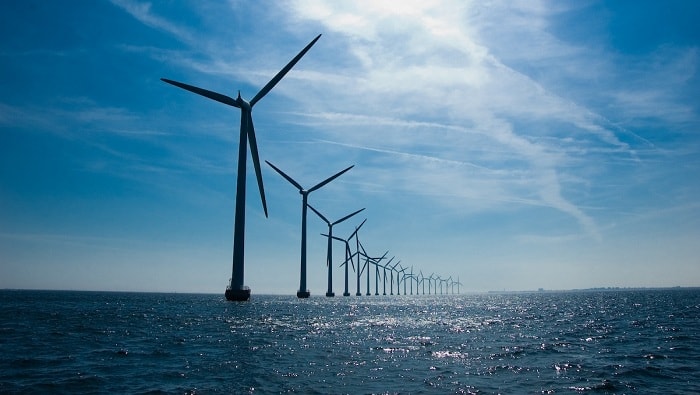
The greatest challenge for the modern grid is the integration of solar and wind power. Because these sources are intermittent, the grid must have the flexibility to balance their variability. Smart grid technologies enabling energy optimization provide this flexibility by coordinating the output of renewable sources with the controllable loads of the grid. For instance, on a particularly sunny day when solar production is at its peak, the smart grid can automatically signal electric vehicles to start charging or direct industrial plants to run energy-intensive processes. This “sector coupling” ensures that we get the maximum utility from our renewable energy resources.
Enhancing Efficiency in Power Distribution
Power distribution is inherently inefficient, with a significant amount of energy lost as heat in the lines and transformers. Smart grid technologies enabling energy optimization address these losses through “Volt-VAR” optimization (VVO). By precisely controlling the voltage and reactive power flow throughout the distribution network, VVO systems can reduce the total energy consumption of the grid by 1% to 3% without any noticeable change to the consumer. This may seem like a small percentage, but on a national scale, it represents billions of kilowatt-hours of energy saved and a corresponding reduction in carbon emissions.
The Role of Microgrids and Local Energy Storage
As the grid becomes more decentralized, we are seeing the rise of microgrids localized energy systems that can operate independently of the main grid. Microgrids often include local solar panels, battery storage, and smart control systems. Smart grid technologies enable these microgrids to “interact” with the main grid, providing support during peak demand and providing a “safe haven” for critical services during a wide-scale outage. By optimizing energy use at the local level, microgrids reduce the strain on the national transmission system and improve the overall resilience of the energy infrastructure.
Building a Resilient and Sustainable Energy Network
The ultimate goal of smart grid technologies enabling energy optimization is to build a more resilient and sustainable energy network. In a world increasingly affected by extreme weather and the transition to clean energy, the grid must be able to adapt and recover from disruptions quickly. The smart grid provides the tools needed to manage this complexity, from the high-speed communication that detects a fault to the intelligent algorithms that optimize the flow of power. In this way, the smart grid is not just an upgrade to our electrical system; it is the foundation for a sustainable future.