














Key Takeaways
- High-Efficiency Conversion
The use of wide bandgap (WBG) semiconductors in solar inverters is drastically reducing the energy lost during the conversion of DC to AC power. By improving efficiency and reducing heat, these advanced power devices are making large-scale renewable energy more economically viable and easier to deploy. - Grid Stability and Resilience
Advanced power devices are essential for maintaining the stability of a grid powered by intermittent renewable sources. Through real-time digital control and features like Low Voltage Ride-Through (LVRT), these devices provide the necessary support to keep the grid synchronized and resilient against disturbances. - Enabling Large-Scale Storage
The integration of high-efficiency bidirectional converters is critical for the success of energy storage systems. By enabling the seamless and efficient storage of excess renewable energy, these power devices are transforming variable solar and wind power into reliable, dispatchable energy sources for the modern grid.
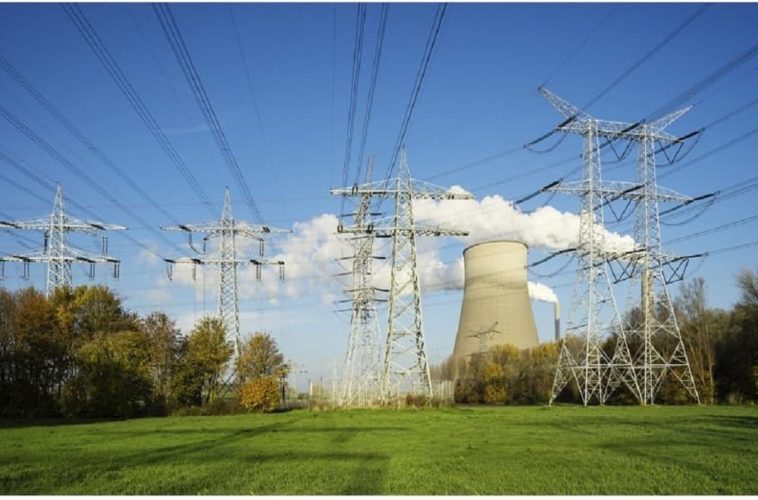
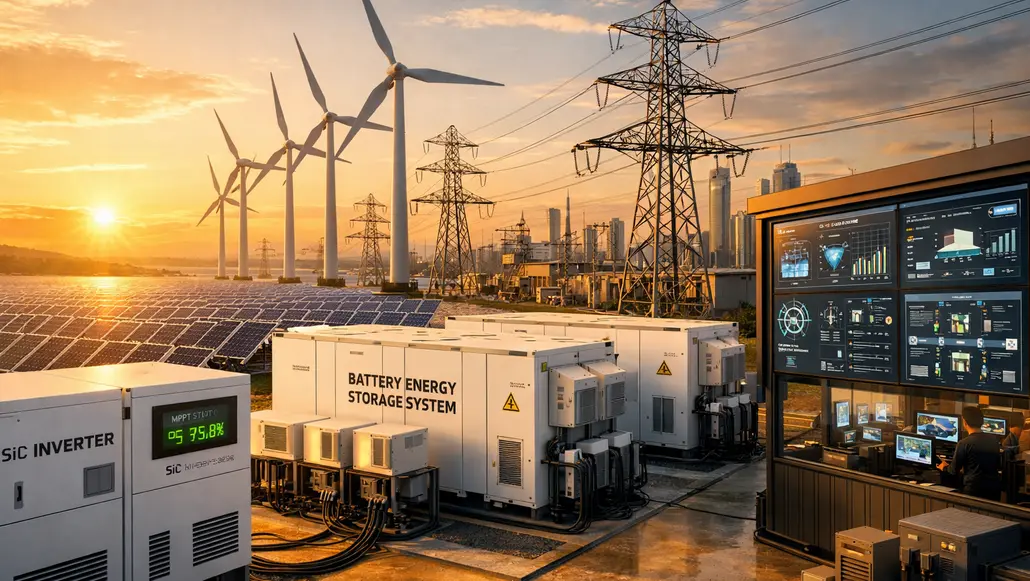
The transition to a carbon-neutral energy landscape is one of the most significant engineering challenges of our time. As the world moves away from fossil fuel-based generation, the integration of solar, wind, and other renewable sources into the existing electrical grid has become a primary focus for utilities and policymakers. However, renewable energy sources are fundamentally different from traditional power plants. While a coal or gas turbine provides a steady, controllable output of AC (alternating current) power, solar panels produce DC (direct current) and wind turbines generate AC at varying frequencies. Bridging this gap requires sophisticated electronic systems. Renewable integration through advanced power devices is the critical technological enabler that allows these diverse energy sources to be converted, synchronized, and fed into the grid with high efficiency and uncompromising stability.
Advanced power devices including high-performance semiconductors, intelligent inverters, and wide bandgap materials are the “gatekeepers” of the modern energy system. They are responsible for the complex task of “grid-forming” and “grid-following,” ensuring that the power from a remote wind farm or a rooftop solar array is indistinguishable from the power generated by a central power station. As the share of renewables in the global energy mix continues to grow, the performance and reliability of these power devices have become the limiting factor in how much clean energy we can successfully integrate into our power networks.
The Role of Solar Inverters in Clean Energy Systems
Solar energy is the fastest-growing source of new power generation, and the solar inverter is the most critical component in any solar installation. Its primary job is to convert the variable DC output from the solar panels into the clean, 60Hz or 50Hz AC power required by the grid. Renewable integration through advanced power devices has transformed the solar inverter from a simple converter into an intelligent energy management system.
Maximizing Yield with MPPT Technology
A solar panel’s output varies significantly with changes in sunlight and temperature. To extract the maximum amount of energy, the inverter uses a technique called Maximum Power Point Tracking (MPPT). This algorithm continuously adjusts the electrical load on the panels to find the optimal balance between voltage and current. Advanced power devices with high-speed digital controllers can perform MPPT calculations hundreds of times per second, ensuring that the system is always operating at its peak efficiency, even on a cloudy or rapidly changing day. This maximization of yield is essential for making solar power economically competitive with traditional energy sources.
Wide Bandgap Materials in Solar Infrastructure
The move toward wide bandgap (WBG) semiconductors, such as silicon carbide (SiC), is having a profound impact on solar inverter design. SiC-based inverters are significantly more efficient than their silicon-based predecessors, reducing energy losses by as much as 50%. This efficiency gain is particularly important for large-scale “string” inverters, which can handle hundreds of kilowatts of power. By reducing the heat generated during conversion, SiC allows for smaller, lighter inverters that are easier to install and maintain. Furthermore, WBG devices can handle higher DC voltages, which reduces the current in the system’s cabling and further minimizes transmission losses within the solar farm.
Wind Power Electronics and Grid Synchronization
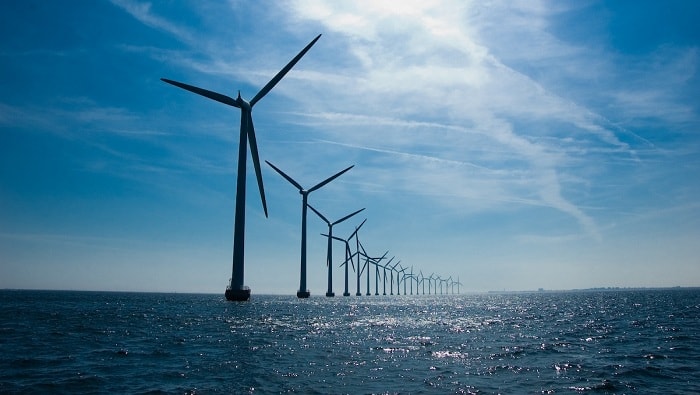
Wind energy presents its own set of challenges for grid integration. Unlike solar panels, wind turbines are mechanical systems whose rotational speed varies with the wind. To generate electricity that can be fed into the grid, the variable-frequency AC from the turbine’s generator must be converted to DC and then back to a stable, grid-synchronized AC signal. This “back-to-back” converter architecture relies on advanced power devices to handle the massive currents and voltages associated with multi-megawatt turbines.
Managing High Power and Harsh Environments
Wind turbines are often located in remote or offshore environments where maintenance is difficult and expensive. Therefore, the power devices used in wind converters must be exceptionally reliable. Renewable integration through advanced power devices for wind applications focuses on “robustness” and thermal management. High-power IGBT (Insulated-Gate Bipolar Transistor) modules are often used, featuring advanced cooling plates and integrated protection circuits to ensure they can operate 24/7 in extreme conditions. The reliability of these power devices is a key factor in the overall “levelized cost of energy” (LCOE) for wind power.
Supporting Grid Stability and Low Voltage Ride-Through
As wind power becomes a larger part of the energy mix, turbines must do more than just provide power; they must also support the stability of the grid. This includes the ability to “ride through” sudden drops in grid voltage without disconnecting a capability known as Low Voltage Ride-Through (LVRT). Advanced power devices, controlled by high-speed digital systems, can respond in milliseconds to these grid disturbances, providing reactive power to help stabilize the voltage. This proactive support is essential for preventing wide-scale outages in areas with high renewable penetration.
Energy Storage: The Key to Dispatchable Renewables
The greatest limitation of solar and wind power is their intermittency. The sun doesn’t always shine, and the wind doesn’t always blow. To make renewables “dispatchable” meaning they can be used whenever they are needed we must integrate large-scale energy storage systems (ESS). Renewable integration through advanced power devices is what makes these storage systems possible, providing the bidirectional power flow required to charge and discharge batteries with maximum efficiency.
Bidirectional Converters and Battery Management
Energy storage systems use bidirectional AC-DC converters to interface the battery with the grid. When there is excess renewable generation, the converter acts as a charger, storing energy in the battery. When demand is high, the converter reverses the flow, feeding power back into the grid. The efficiency of this “round-trip” conversion is a critical metric for any storage facility. By using the latest generation of power semiconductors and optimized control algorithms, we can achieve round-trip efficiencies exceeding 90%. This ensures that the maximum amount of captured renewable energy is actually available for use when it is needed most.
Hybrid Systems and Microgrid Coordination
In many cases, solar, wind, and storage are integrated into a single “hybrid” power plant or a local microgrid. Renewable integration through advanced power devices provides the coordination needed to manage these disparate sources. A central controller, communicating with the digital controllers of each power device, can balance the output of the solar panels and wind turbines while using the battery to “smooth out” the fluctuations. This level of coordination transforms variable renewable sources into a stable and reliable power supply that can compete directly with traditional base-load power plants.
Future Trends in Renewable Power Electronics
The future of renewable integration through advanced power devices is focused on even higher levels of efficiency and integration. We are seeing the emergence of “multi-port” converters that can directly interface solar, storage, and the grid in a single unit, reducing the number of conversion stages and further improving efficiency. Additionally, the move toward 1500V DC and even higher voltage levels will continue to drive the development of new high-voltage power modules and insulation materials.
The Role of Artificial Intelligence and Data Analytics
As the grid becomes more complex, the role of artificial intelligence (AI) in power electronics will grow. AI-driven inverters can “learn” the specific characteristics of their local grid and optimize their behavior to improve stability and performance. For example, an AI-enhanced solar inverter could predict a cloud’s arrival based on local sensor data and pre-emptively adjust its output to minimize the impact on the grid. This level of “anticipatory” control is the next frontier in renewable integration.
Empowering a Sustainable Global Infrastructure
Ultimately, the goal of improving renewable power electronics is to empower a sustainable global infrastructure. By reducing the cost and complexity of integrating clean energy, we can accelerate the transition to a carbon-neutral world. Renewable integration through advanced power devices is not just a technical requirement; it is a fundamental pillar of the global strategy to combat climate change. As we continue to innovate in materials, circuits, and control systems, we are building a world where clean, renewable energy is the standard, not the exception.