















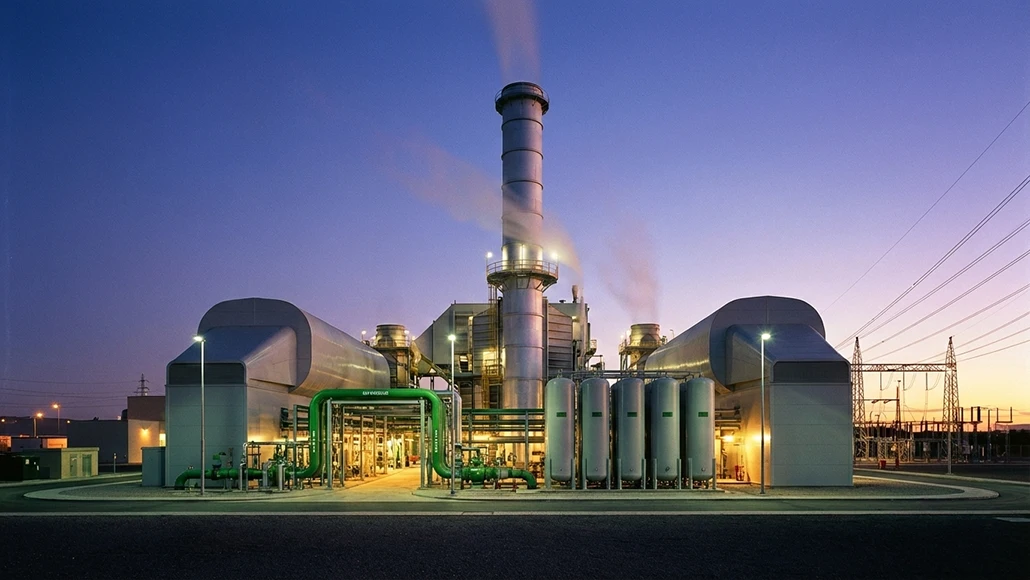
The global power sector is currently navigating a dual challenge: the need to rapidly decarbonize and the imperative to maintain a reliable, flexible supply of electricity. As the share of variable renewable energy (VRE) from wind and solar increases, the demand for fast-reacting, dispatchable power has never been higher. Traditionally, natural gas turbines have filled this role, providing the necessary “firming” to balance the grid. However, to align with net-zero goals, these turbines must transition away from fossil fuels. The emergence of hydrogen ready gas turbines for power represents a critical technological milestone, allowing utilities to utilize their existing assets while switching to carbon-free fuels.
The Combustion Dynamics of Hydrogen Integration
Integrating hydrogen into a gas turbine is not as simple as swapping one gas for another. Hydrogen possesses significantly different chemical properties compared to methane, the primary component of natural gas. Hydrogen has a higher flame speed and a higher adiabatic flame temperature, which fundamentally changes the combustion process. For hydrogen ready gas turbines for power to be effective, the combustion hardware must be designed to prevent “flashback,” a phenomenon where the flame moves upstream into the burner, potentially causing catastrophic damage. Advanced Dry Low NOx (DLN) combustion systems are being re-engineered with sophisticated fuel-air mixing technologies to maintain stable flames even at 100% hydrogen concentrations.
Material Science and Hydrogen Embrittlement
The physical impact of hydrogen on turbine components is another area of intense engineering focus. Hydrogen is a tiny molecule that can penetrate the lattice structure of metals, leading to hydrogen embrittlement. This can cause cracks in the turbine blades and combustion chambers over time. To ensure the reliability of hydrogen ready gas turbines for power, manufacturers are exploring new high-temperature alloys and thermal barrier coatings. These materials must withstand not only the higher temperatures associated with hydrogen combustion but also the increased moisture content in the exhaust gas, which can lead to accelerated oxidation and hot corrosion.
Ramping Capability and Grid Balancing
One of the most valuable attributes of gas turbines is their ability to ramp up and down quickly in response to grid fluctuations. In a grid dominated by renewables, this flexibility is essential for maintaining frequency stability. Hydrogen ready gas turbines for power preserve this functionality, offering a carbon-free way to manage the variability of solar and wind generation. Because hydrogen can be stored in large quantities, these turbines can provide long-duration backup during periods of low renewable output, such as during a multi-day weather event. This capability makes them a superior alternative to current battery technologies, which are typically optimized for 4 to 8 hours of storage.
The Role of Fuel Blending in the Transition
The path to 100% hydrogen combustion is likely to be incremental. Most modern turbines can already handle a blend of 5% to 20% hydrogen without significant modifications. Moving toward higher concentrations requires more advanced upgrades to the fuel delivery systems, including pumps, valves, and piping. By utilizing hydrogen ready gas turbines for power, utilities can gradually increase the hydrogen content in their fuel mix as the supply of green hydrogen becomes more available and cost-effective. This “fuel switching” strategy allows for a managed transition that protects existing investments while making steady progress toward decarbonization.
Economic Feasibility and Lifecycle Costs
The economic case for hydrogen ready gas turbines for power depends on several factors, including the cost of hydrogen, the price of carbon emissions, and the capital cost of turbine upgrades. While green hydrogen is currently more expensive than natural gas, the increasing efficiency of electrolyzers and the declining cost of renewable energy are expected to drive prices down. Furthermore, as governments implement stricter carbon taxes, the cost of operating traditional gas turbines will rise, making the switch to hydrogen more financially attractive. Utilities are also looking at the total lifecycle cost, including maintenance intervals, which may be affected by the higher temperatures and moisture levels of hydrogen combustion.
Regulatory Incentives and Market Design
For widespread adoption, the regulatory environment must also evolve. Many regions are introducing “hydrogen-ready” certifications, requiring new gas-fired power plants to demonstrate their ability to eventually transition to hydrogen. Additionally, market mechanisms that reward grid services such as ramping, black-start capability, and frequency regulation can provide the necessary revenue streams to justify the investment in hydrogen ready gas turbines for power. These plants provide a value to the grid that goes beyond simple energy production, serving as a vital insurance policy for system reliability.
Infrastructure and Supply Chain Logistics
The deployment of hydrogen ready gas turbines for power is intrinsically linked to the development of a broader hydrogen infrastructure. Power plants must be connected to hydrogen pipelines or be located near large-scale storage facilities like salt caverns. The supply chain for green hydrogen including electrolysis, compression, and transportation must be scaled up in parallel with turbine technology. Many utilities are exploring “power-to-gas-to-power” loops, where excess renewable energy is used to produce hydrogen, which is then stored and used in gas turbines during times of peak demand, creating a circular, carbon-free energy system.
Safety Protocols and Operational Standards
Safety is a paramount concern when handling hydrogen due to its wide flammability range and low ignition energy. Operational standards for hydrogen ready gas turbines for power include advanced leak detection systems, specialized ventilation, and explosion-proof electrical equipment. Ground-up designs and retrofits both require rigorous risk assessments to ensure that the risks are no higher than those associated with natural gas. As the industry gains more operational experience with high-hydrogen blends, these safety protocols will become standardized, paving the way for larger and more widespread installations.
The Future of Flexible Power Generation
As we move toward a fully decarbonized energy system, the role of the gas turbine is being redefined. It is transitioning from a baseload workhorse to a flexible, clean energy guardian. The development of hydrogen ready gas turbines for power is a testament to the industry’s ability to innovate in the face of the climate crisis. By combining the proven reliability and power density of turbine technology with the clean-burning properties of hydrogen, we can create a power grid that is both sustainable and incredibly resilient. This technology will be a cornerstone of the future energy mix, ensuring that even as we eliminate fossil fuels, our energy supply remains as reliable and flexible as ever.
The shift toward hydrogen-ready turbines is a pivotal moment in the history of power engineering. It represents a commitment to maintaining the strengths of our existing electrical infrastructure while radically changing the fuel that powers it. Hydrogen ready gas turbines for power offer a bridge between the carbon-heavy past and a net-zero future, providing the dispatchable power that a modern grid requires. The technical challenges, while significant, are being met with innovations in material science and combustion physics. By addressing issues like flashback and hydrogen embrittlement, engineers are creating a new generation of machines capable of operating on a variety of fuel blends. This flexibility is the key to a smooth transition, allowing for the gradual scaling of hydrogen supply without the need for a sudden, disruptive overhaul of the power grid. As green hydrogen production costs continue to decline, the economic rationale for these systems will only grow stronger. Ultimately, hydrogen ready gas turbines for power will serve as the reliable backstop of a clean energy world, ensuring that even in the absence of wind or sun, the global economy has the power it needs to thrive. The successful deployment of this technology will be one of the great engineering achievements of our time, enabling a sustainable and secure energy future for all.