






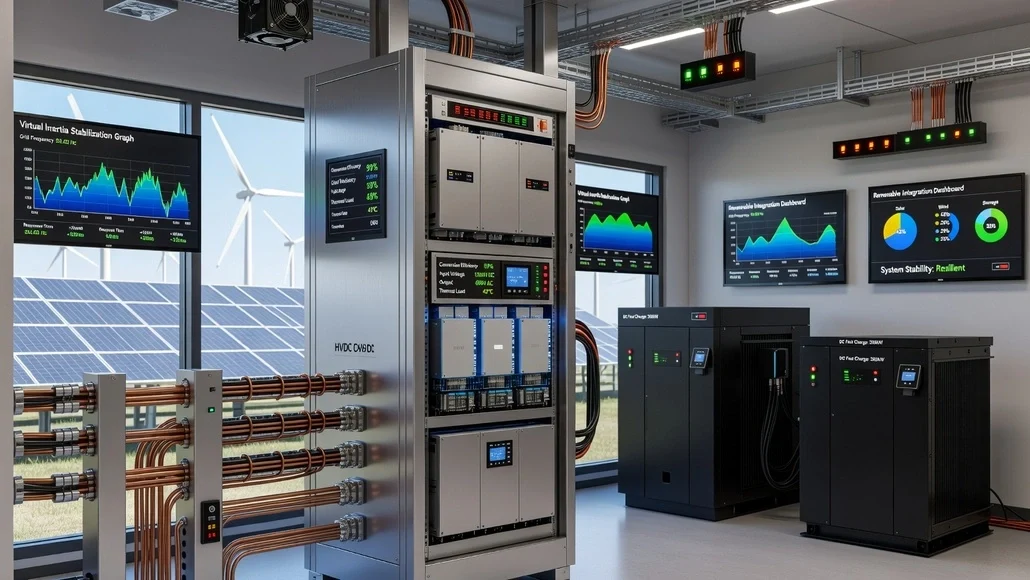
Key Takeaways
- Efficiency in Power Conversion
Achieving high efficiency in the conversion of electricity from one form to another is critical for minimizing energy waste in the modern grid. By utilizing advanced materials like SiC and GaN, and sophisticated inverter topologies, we can significantly reduce the losses associated with integrating renewable energy sources. - Stability and Grid Resilience
Modern power conversion systems do more than just change voltage levels; they provide the intelligence needed to maintain grid stability. Through real-time digital control and “virtual inertia,” these systems can respond to fluctuations in renewable generation, ensuring a reliable supply of electricity. - Sustainable Infrastructure Development
The transition to a decentralized and renewable energy system requires a fundamental redesign of our electrical infrastructure. High-efficiency power electronics are the key enabling technology for this change, supporting everything from long-distance HVDC transmission to local microgrids and electric vehicle integration.
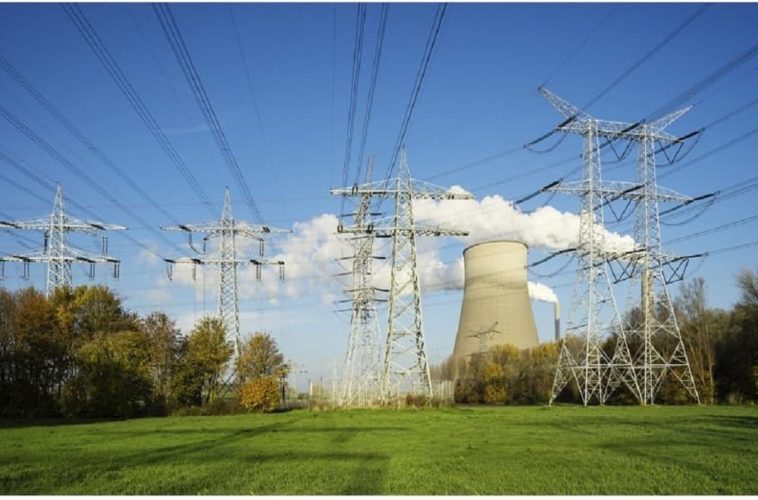
The global energy landscape is undergoing a paradigm shift as we move away from large, centralized power plants toward a more decentralized, renewable-based model. This transition is not just a change in the sources of energy, but a fundamental redesign of how electricity is managed, converted, and distributed. Central to this transformation is the concept of high efficiency power conversion for modern grids. In a traditional grid, power flows in one direction from a central generator to a remote consumer. Today, however, the grid must handle bidirectional power flows, accommodate intermittent sources like wind and solar, and manage the charging of millions of electric vehicles.
Power conversion is the process by which electricity is transformed from one form to another for example, from the DC (direct current) produced by a solar panel into the AC (alternating current) used by the local grid. Every time this conversion occurs, some energy is lost as heat. In the context of a modern grid, where power may be converted several times before reaching its final destination, the cumulative losses can be substantial. Achieving high efficiency in these conversion stages is therefore critical for reducing the carbon footprint of the energy system and making renewable energy economically viable.
The Technological Pillars of Grid Efficiency
Modern power conversion systems are built on a foundation of high-performance power electronics. These systems are responsible for maintaining the frequency, voltage, and phase alignment of the electricity flowing through the grid. To achieve high efficiency power conversion for modern grids, engineers are focusing on several key technological pillars: wide bandgap semiconductors, advanced inverter topologies, and digital control systems. Together, these technologies enable the creation of “smart” power converters that can respond in milliseconds to changes in grid conditions.
Wide Bandgap Materials in Grid Infrastructure
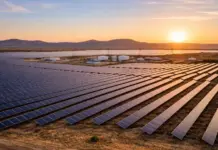
While traditional silicon-based electronics have served the grid well for decades, they are increasingly being replaced by wide bandgap (WBG) materials like Silicon Carbide (SiC) and Gallium Nitride (GaN). As discussed in previous contexts, these materials allow for higher operating voltages and faster switching speeds. In a grid application, this means that power converters can be smaller, lighter, and most importantly more efficient. The use of SiC MOSFETs in large-scale solar inverters, for instance, can reduce energy losses by as much as 50% compared to silicon-based solutions.
Multi-Level Inverters and Resonant Converters
The architecture of the power converter itself plays a major role in its efficiency. Multi-level inverters are increasingly used in high-voltage grid applications because they can produce a smoother AC waveform with less harmonic distortion. This reduces the need for large, heavy filters, which are themselves a source of energy loss. Similarly, resonant converters use the principle of resonance to switch transistors at zero voltage or zero current, virtually eliminating switching losses. These advanced topologies are essential for high efficiency power conversion for modern grids, particularly in high-power applications like HVDC (High Voltage Direct Current) transmission.
Digital Control and Grid Synchronization
Efficiency is not just about the hardware; it is also about how the system is controlled. Modern grid converters use sophisticated digital controllers that can precisely synchronize the converter’s output with the grid’s frequency and phase. This is particularly important for integrating renewable sources, which can be highly variable. By using real-time data and predictive algorithms, these controllers can optimize the conversion process for the current load and grid state, ensuring that the maximum amount of energy is delivered with the minimum amount of waste.
Overcoming Challenges in Renewable Integration
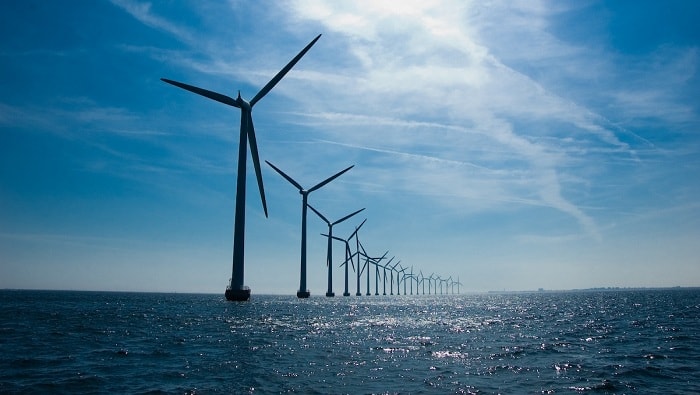
One of the biggest challenges for modern grids is the integration of solar and wind power. Unlike traditional coal or gas plants, which provide a steady, controllable output, renewable sources are dependent on weather conditions. High efficiency power conversion for modern grids provides the “buffer” needed to manage this variability. For example, a high-efficiency solar inverter can adjust its output in real-time to match the maximum power point of the solar panels, even as clouds pass overhead.
Enhancing Stability through Power Conversion
Grid stability is maintained by balancing supply and demand in real-time. When a large renewable source suddenly drops off or a massive load is added, the grid’s frequency can fluctuate, leading to potential blackouts. Power electronic converters, equipped with “virtual inertia” algorithms, can provide a rapid injection of power from energy storage systems to stabilize the frequency. Because these converters are highly efficient, they can perform this balancing act with minimal energy loss, making the grid more resilient without sacrificing performance.
Reducing Energy Losses in Transmission and Distribution
Transmission and distribution losses are a major source of inefficiency in the electrical system, often accounting for 5% to 8% of the total energy generated. High-efficiency power conversion can help reduce these losses in several ways. High Voltage Direct Current (HVDC) systems, which use massive power converters to transform AC to DC for long-distance transmission, are much more efficient than traditional AC systems over long distances. By reducing the number of conversion stages and using the most efficient technology available at each stage, we can significantly reduce the amount of energy wasted between the power plant and the consumer.
The Future of Electrical Infrastructure
The modern grid is becoming increasingly complex, with the addition of microgrids, electric vehicle charging networks, and local energy storage. High efficiency power conversion for modern grids will be the “glue” that holds these disparate systems together. We are moving toward a future where every home and business has an intelligent power converter that manages its energy use, storage, and generation in coordination with the local grid.
The Role of Solid-State Transformers
A promising development in grid technology is the solid-state transformer (SST). Unlike a traditional transformer, which uses copper coils and a magnetic core to change voltage levels, an SST uses power electronics to perform the same task. This allows for a much smaller footprint, as well as the ability to manage both AC and DC power simultaneously. High-efficiency SSTs could replace the aging transformers in our neighborhoods, providing better voltage regulation and the ability to integrate local solar panels and EV chargers more effectively.
Advancing Toward a Carbon-Neutral Grid
Ultimately, the goal of improving power conversion efficiency is to support the transition to a carbon-neutral energy system. Every kilowatt-hour of energy saved through better conversion is a kilowatt-hour that doesn’t need to be generated by a fossil fuel plant. High efficiency power conversion for modern grids is therefore not just a technical challenge, but a key component of the global effort to combat climate change. By investing in the research and deployment of advanced power electronics, we can build a grid that is more efficient, more reliable, and more sustainable for future generations.