

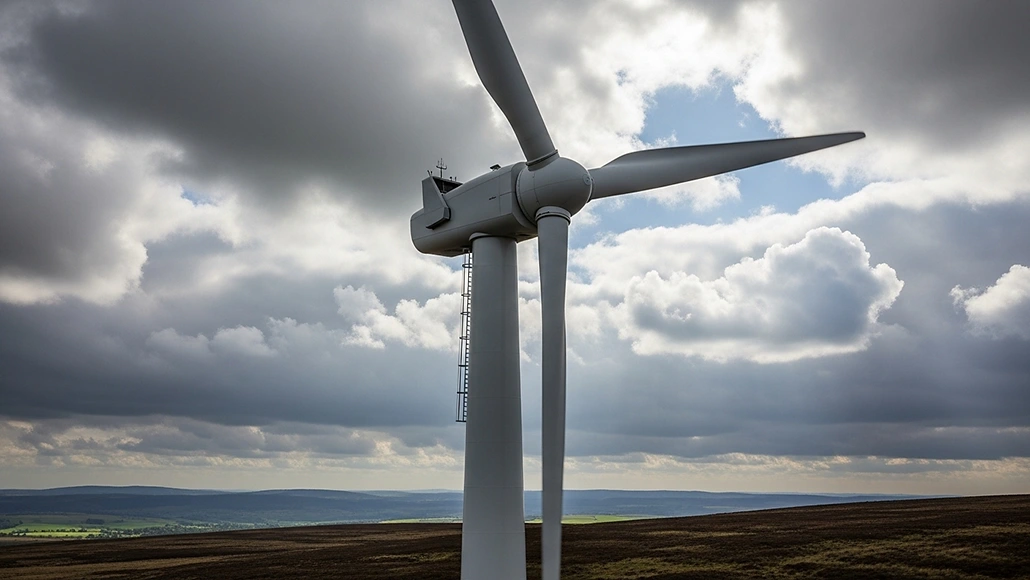
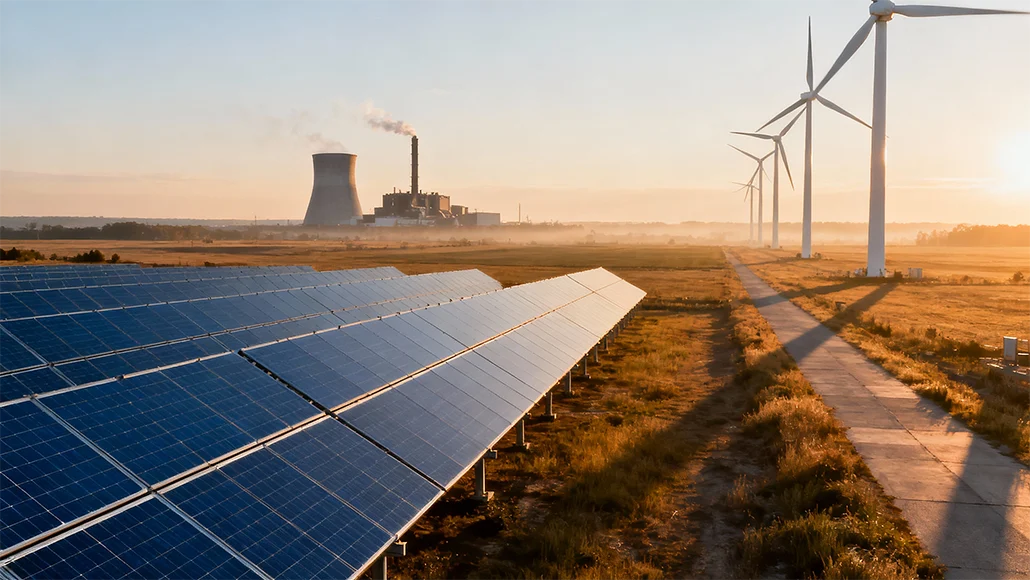








The rapid expansion of wind and solar energy is transforming the global power grid, offering a path to deep decarbonization. However, this shift also introduces significant challenges to grid stability. Traditional power systems relied on the massive rotating inertia of coal, gas, and nuclear plants to maintain a stable frequency and voltage. As these “synchronized” plants are retired and replaced by “inverter-based” renewables, the grid becomes more susceptible to sudden fluctuations. This is where hydrogen based generation grid stability comes into play. By providing a dispatchable, low-carbon source of energy that can emulate the behavior of traditional plants, hydrogen technology serves as the essential stabilizer for the modern energy landscape.
Restoring Inertia and Frequency Control
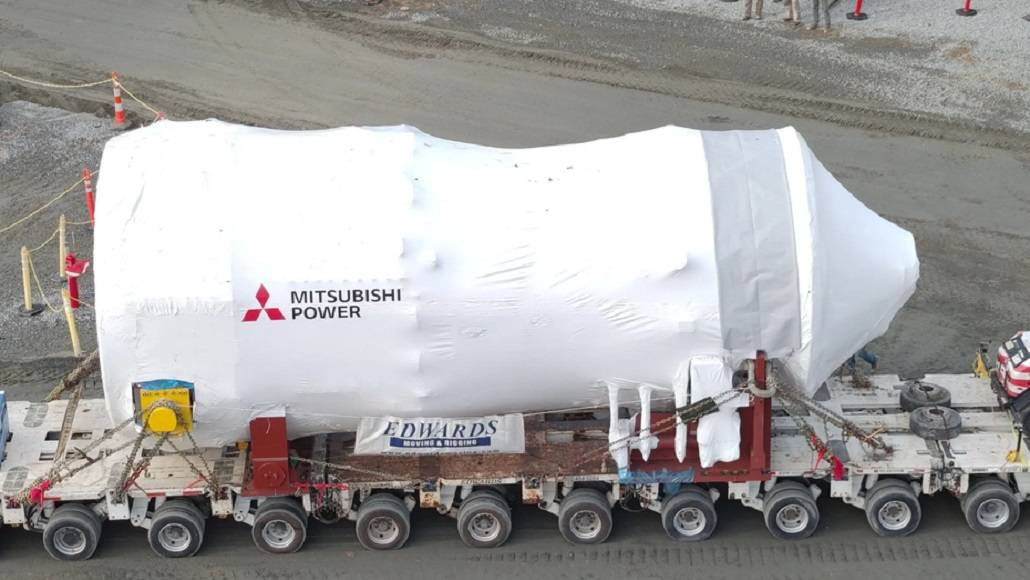
In a conventional power system, large turbines acting as synchronous generators provide “physical inertia.” If a large load is suddenly added or a generator fails, the stored kinetic energy in these rotating masses slows down the frequency drop, giving control systems time to react. Renewables, connected via power electronics, do not provide this inherent resistance. Implementing hydrogen based generation grid stability allows utilities to use hydrogen-fired turbines that maintain this physical inertia. These turbines can be spun up quickly to provide primary frequency response, ensuring that the grid remains within the tight frequency tolerances required for industrial equipment and electronic devices to function safely.
Fast Ramping and Ancillary Services
Beyond inertia, the grid requires “fast ramping” capabilities to manage the variable output of wind and solar. Hydrogen-ready gas turbines and high-power fuel cells are perfectly suited for this role. Unlike traditional baseload plants that take hours to reach full capacity, hydrogen-based systems can respond to grid signals in seconds or minutes. This allows them to provide essential ancillary services, such as spinning reserves and non-spinning reserves. By leveraging hydrogen based generation grid stability, grid operators can effectively “firm” the supply of renewable energy, filling the gaps when the sun sets or the wind stops blowing, and preventing the need for carbon-intensive backup generation.
Voltage Support and Reactive Power Management
Maintaining a stable grid isn’t just about frequency; it’s also about voltage. Power systems require “reactive power” to maintain the electromagnetic fields in transformers and motors. If voltage levels drop too low, it can lead to brownouts or even a total system collapse. Synchronous condensers, which are essentially large rotating motors that aren’t connected to a load, have traditionally provided this support. However, hydrogen-fired turbines can perform this same function while also producing active power. This dual-purpose capability makes hydrogen based generation grid stability a highly efficient solution for areas of the grid that are experiencing “weak” voltage profiles due to a high concentration of remote renewable sites.
Advanced Inverters and Synthetic Inertia
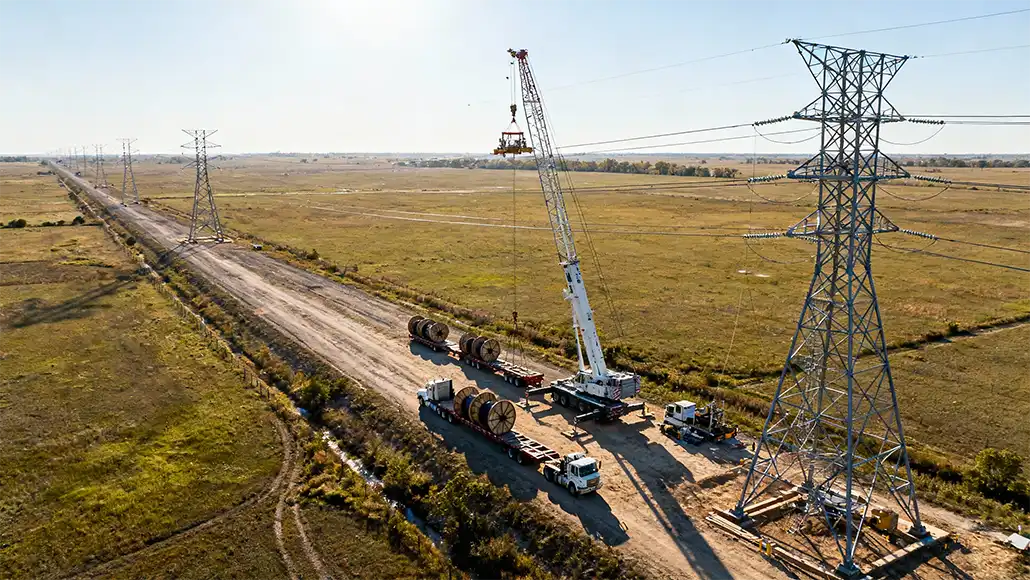
For hydrogen systems that use fuel cells rather than turbines, the connection to the grid is made through sophisticated power electronics. Modern “grid-forming” inverters can be programmed to provide “synthetic inertia,” mimicking the behavior of a rotating mass. This allows hydrogen based generation grid stability to be deployed in a modular fashion, with distributed fuel cell installations providing localized voltage and frequency support. These systems can be placed at the edge of the grid or at critical industrial nodes, enhancing the resilience of the distribution network and reducing the reliance on long-distance transmission lines which are prone to congestion and failure.
Seasonal Storage and Long-Duration Resilience
The most significant threat to grid stability is the “dunkelflaute” prolonged periods of low wind and solar generation that can last for days or weeks. Short-term battery storage is incapable of bridging this gap. Hydrogen based generation grid stability offers a unique solution by decoupling energy capacity from power output. By storing massive amounts of hydrogen in underground salt caverns or depleted gas fields, utilities can maintain a reliable reserve of energy that can be dispatched during these multi-day events. This seasonal storage capability is the only known carbon-free method for ensuring that a 100% renewable grid can survive the most extreme weather conditions.
Black Start Capability and Grid Restoration
In the event of a major grid failure, the process of “black starting” the system restarting power plants without an external power supply is incredibly complex. Many renewable plants cannot black start because they require a stable grid signal to operate their inverters. Hydrogen based generation grid stability provides a reliable black-start resource. Whether through a battery-buffered fuel cell or a small gas turbine, hydrogen assets can create the initial “voltage island” that allows other plants to synchronize and restart. This makes hydrogen infrastructure a critical component of national energy security and disaster recovery planning.
Economic and Systemic Value of Grid Stability
The economic value of grid stability is often underestimated. Blackouts and frequency deviations cause billions of dollars in economic losses every year. As markets evolve to recognize the value of reliability, the financial case for hydrogen based generation grid stability will become even stronger. Many regions are now introducing “capacity markets” and “stability payments” that specifically reward assets that can provide inertia and long-duration backup. For utilities, investing in hydrogen generation is not just about meeting carbon targets; it’s about providing the high-quality, reliable electricity that their industrial and commercial customers demand.
Synergy Between Gas and Power Networks
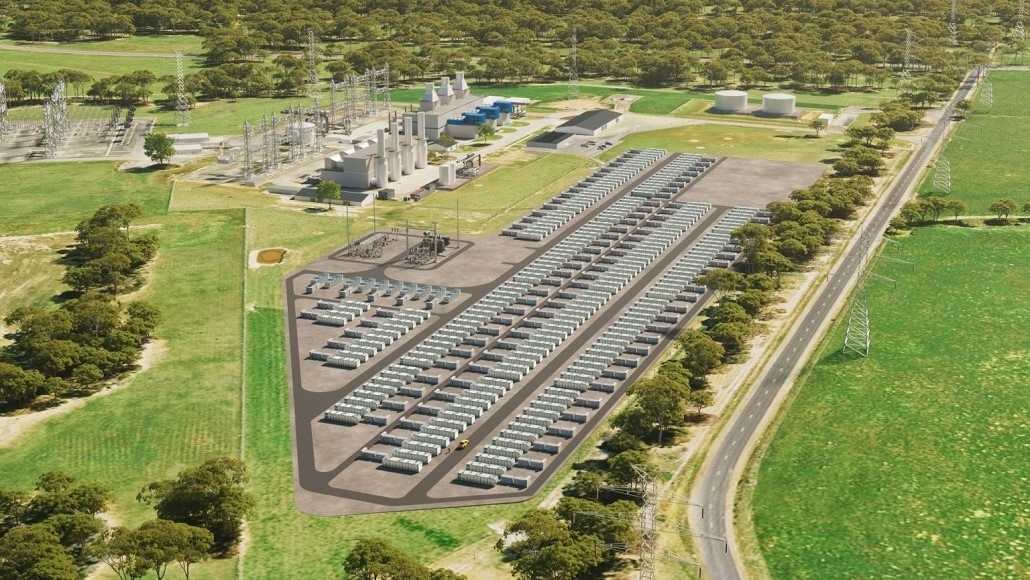
The ultimate goal of hydrogen based generation grid stability is the total integration of the gas and electricity sectors. By using excess renewable energy to produce hydrogen and then using that hydrogen to stabilize the grid during times of stress, we create a circular and resilient energy ecosystem. This “sector coupling” allows the two networks to support each other, with the gas network acting as a massive, flexible storage buffer for the electrical grid. This synergy is the key to unlocking the full potential of renewable energy and achieving a truly sustainable and stable global power system.
The challenge of grid stability in a renewable-heavy world is one of the most pressing technical issues of our time. Hydrogen based generation grid stability offers a comprehensive suite of solutions that address the loss of inertia, the need for fast ramping, and the requirement for seasonal energy management. By combining the best features of traditional synchronized generation with the flexibility and clean-burning properties of hydrogen, we can create a grid that is both sustainable and incredibly resilient. Whether through large-scale hydrogen turbines or distributed fuel cell networks, hydrogen technology provides the “firming” power that makes a 100% renewable future possible. As we move away from fossil fuels, the role of hydrogen in maintaining frequency and voltage will only become more vital. Ultimately, the successful transition to a decarbonized economy depends on our ability to maintain the stability and reliability of the electricity that powers our lives, and hydrogen based generation is the essential tool for achieving that goal.