


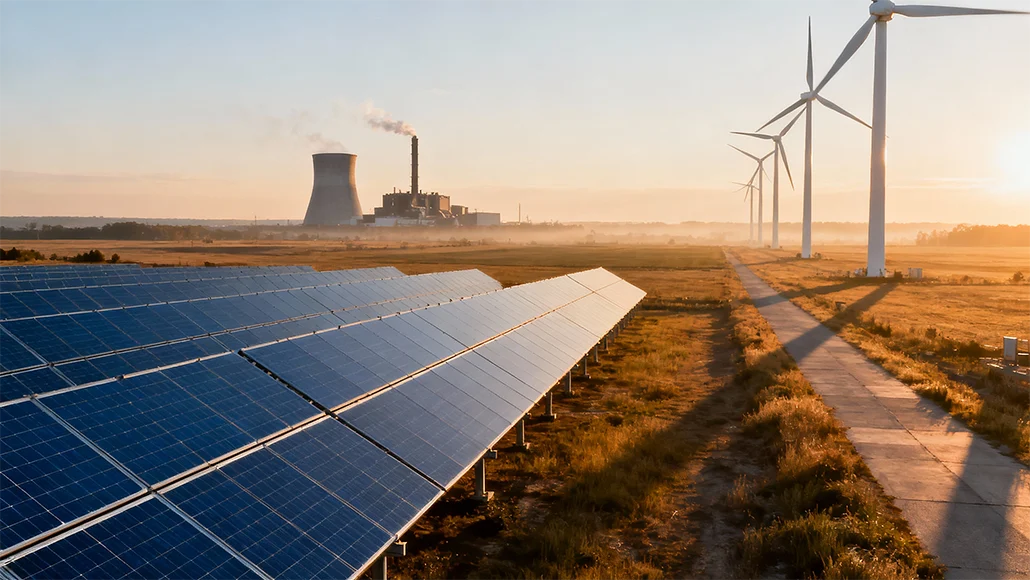

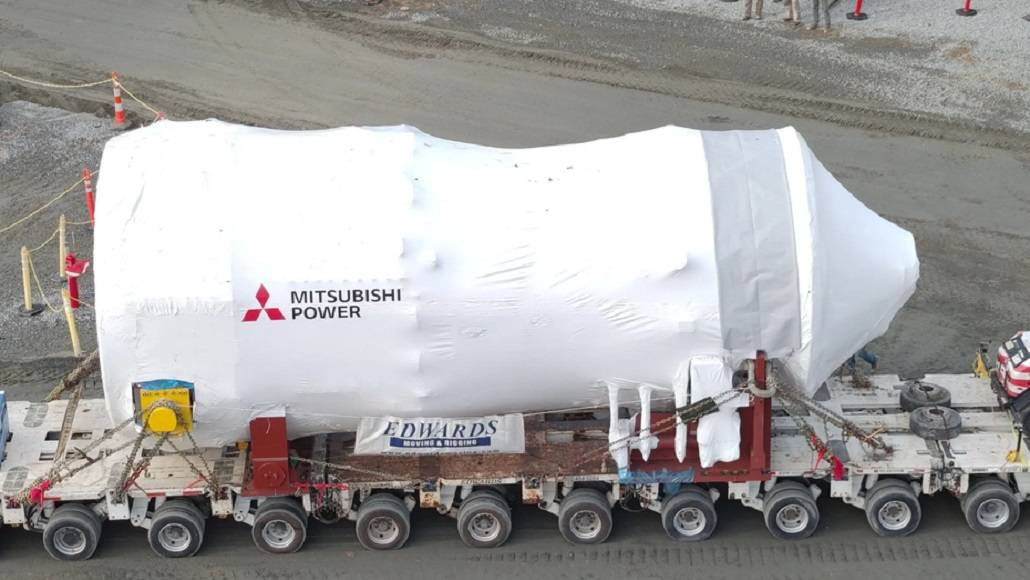
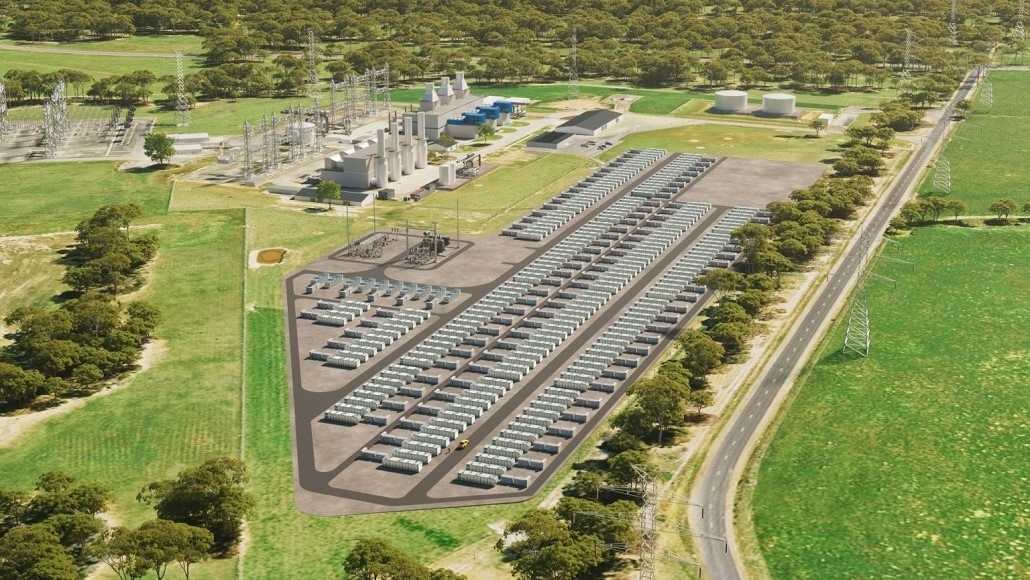
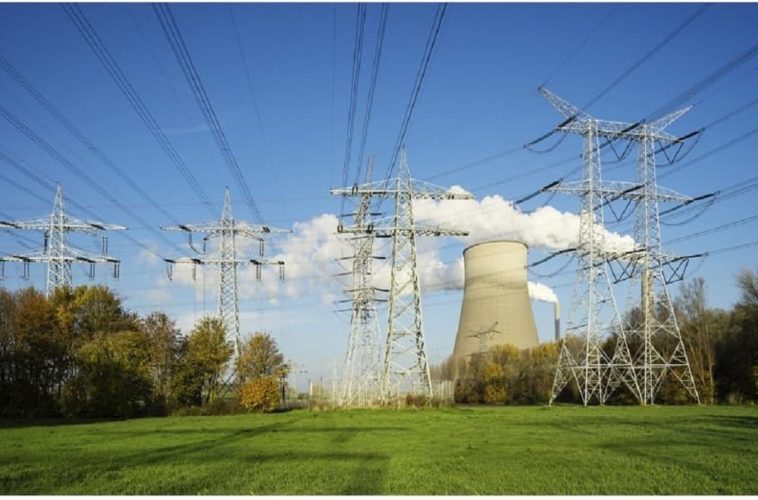
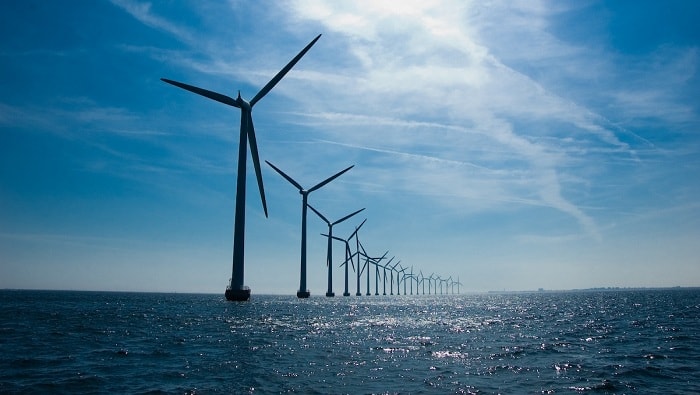



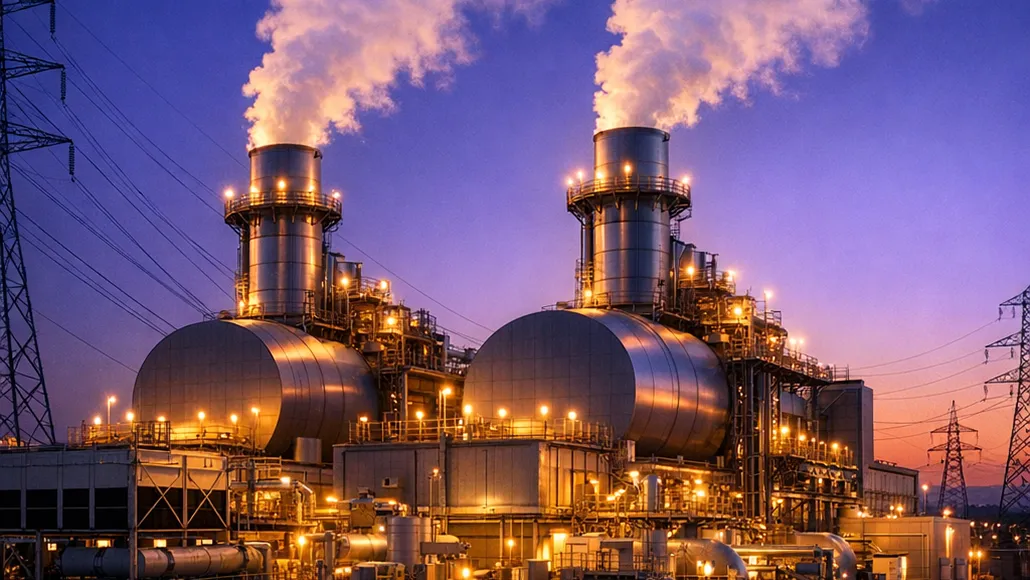
The global energy landscape is currently undergoing a structural transformation that emphasizes the necessity of carbon neutrality. At the heart of this shift lies the rapid advancement and industrialization of electrolysis technologies. As intermittent renewable sources like wind and solar become the dominant providers of electrons, the challenge of grid stability becomes increasingly acute. This is where the strategic implementation of green hydrogen scaling for power systems offers a viable bridge between fluctuating supply and the rigid demands of industrial and residential consumers. Unlike traditional battery systems that manage short-term peaks, hydrogen provides the density and duration required for seasonal energy management.
The Engineering Paradigm of Gigawatt-Scale Electrolysis
The move from pilot projects to utility-grade operations requires a fundamental shift in how we perceive electrolyzer deployment. Standard alkaline and Proton Exchange Membrane (PEM) systems are no longer being viewed as isolated components but as integrated power plants. Scaling these systems involves significant complexity in heat management, power electronics, and water purification. When we discuss green hydrogen scaling for power systems, we are referring to the orchestration of hundreds of individual cells into a cohesive stack that can respond to grid signals in milliseconds. This flexibility is crucial for frequency regulation, where the electrolyzer acts as a controllable load that can absorb excess renewable energy that would otherwise be curtailed.
Optimizing Stacks for Grid-Level Performance
At a more granular level, the efficiency of these systems is dictated by the current density and the durability of the membrane-electrode assemblies. Engineering teams are now focusing on reducing the degradation rates associated with variable power input. Since renewable energy is inherently volatile, the hydrogen production facility must be robust enough to handle rapid ramping. This is a significant departure from the steady-state operations typical of the traditional chemical industry. The integration of advanced power conversion systems converting AC from the grid to high-precision DC for electrolysis is another critical area where efficiency gains are being realized to lower the Levelized Cost of Hydrogen (LCOH).
Infrastructure Synchronization and Grid Stability
The integration of hydrogen into the utility framework extends beyond production. It involves the total synchronization of gas and power networks. Green hydrogen scaling for power systems necessitates the development of localized “hydrogen hubs” where production, storage, and re-electrification occur in proximity to high-demand nodes. By utilizing salt caverns or depleted gas fields, utilities can store massive amounts of energy for months. This capability directly addresses the “dunkelflaute” or dark doldrums periods of low wind and solar output that threaten the reliability of a 100% renewable grid.
The Role of Hydrogen in Providing Synthetic Inertia
One of the most technical challenges of removing traditional coal and gas plants is the loss of rotating inertia. Modern power systems rely on this inertia to resist sudden changes in frequency. When green hydrogen scaling for power systems includes the use of hydrogen-fired turbines or fuel cells with advanced inverters, it provides a means to simulate or replace this lost stability. Large-scale fuel cell installations are particularly effective here, as their modular nature allows for distributed frequency support across various points in the distribution network.
Economic Viability and the Regulatory Landscape
For hydrogen to reach the scale required for utility operations, the economic framework must evolve. Carbon pricing and government subsidies, such as the Inflation Reduction Act or the European Green Deal, are accelerating the closing of the price gap between green and “grey” hydrogen. However, the true catalyst will be the achievement of a “virtuous cycle” where increased demand leads to manufacturing economies of scale. Utility leaders are now looking at long-term power purchase agreements (PPAs) that specifically target hydrogen production as a means to de-risk their portfolios against volatile natural gas prices.
Market Mechanisms for Flexible Load Management
The creation of secondary markets for grid services is essential. If a utility can be compensated for the “dispatchability” of its electrolyzer load, the financial case for green hydrogen scaling for power systems becomes much stronger. This involves sophisticated software platforms that use artificial intelligence to predict weather patterns and grid demand, ensuring that hydrogen is produced when energy is cheapest and stored or used when it is most valuable. This dynamic interaction between the molecular and electrical worlds represents the next frontier of utility management.
Technical Barriers and Material Innovations
Despite the optimism, several hurdles remain in the material science domain. The reliance on precious metals like iridium and platinum for PEM electrolyzers poses a supply chain risk. Research is heavily focused on developing catalysts that use more abundant materials without sacrificing the high efficiency required for utility-grade operations. Furthermore, the transportation of hydrogen through existing pipelines requires careful monitoring for embrittlement. Addressing these technical nuances is an integral part of ensuring that green hydrogen scaling for power systems is both safe and sustainable over a multi-decadal lifecycle.
The Importance of Water Management and Sustainability
A often overlooked aspect of scaling hydrogen is the requirement for high-purity water. For every kilogram of hydrogen produced, approximately nine liters of water are consumed. In water-stressed regions, this necessitates the integration of desalination plants, which adds another layer of energy consumption and capital expenditure. Future utility designs are looking at circular economy models where waste heat from the electrolysis process is used to drive the desalination units, thereby maximizing the overall systemic efficiency.
The Path Toward Decarbonized Baseload Electricity
In the long term, the objective is to create a power system that is both carbon-free and resilient. Green hydrogen scaling for power systems is not a singular technology fix but a comprehensive systemic evolution. By combining the strengths of renewable generation with the storage capacity of hydrogen, utilities can finally retire the remaining fossil-fuel baseload plants. This transition requires a multi-faceted approach involving engineering excellence, financial innovation, and robust policy support. As we look toward 2030 and beyond, the success of these early utility-scale projects will define the blueprint for the global energy transition.
The integration of hydrogen into utility-grade systems is a complex but necessary evolution of the modern grid. As we phase out fossil fuels, the ability to store energy at a massive scale becomes the primary differentiator between a functional grid and one prone to failure. Green hydrogen scaling for power systems offers the density required to replace traditional fuels while maintaining the flexibility needed to balance wind and solar inputs. The process of scaling up from small-scale pilots to multi-gigawatt installations involves solving fundamental problems in power electronics, material science, and thermodynamic efficiency. By focusing on the synchronization of gas and electricity networks, utilities can create a robust buffer against the inherent variability of renewable energy. This involves not only the production of the gas but also the strategic deployment of storage assets such as salt caverns and the repurposing of existing pipeline infrastructure. The economic landscape is also shifting, with carbon taxes and clean energy mandates making the cost of hydrogen more competitive every year. Ultimately, the success of green hydrogen scaling for power systems will depend on the industry’s ability to innovate rapidly while maintaining the high standards of reliability and safety that the public expects from their power providers. This technological journey is characterized by a shift from centralized, predictable generation to a more distributed, dynamic, and interconnected energy ecosystem.