














The global pivot towards renewable energy sources like solar and wind power represents a monumental shift in how we generate electricity. These clean technologies offer a vital pathway to decarbonization, addressing the pressing challenges of climate change and enhancing energy independence. However, the very nature of solar and wind, their inherent intermittency and variability, has historically posed a significant hurdle to their widespread integration into national grids. Sunlight isn’t constant, and wind doesn’t always blow, leading to fluctuations in power supply that can destabilize electrical networks designed for steady, predictable generation. Enter the energy storage boom, a transformative phenomenon that is rapidly emerging as the indispensable missing link, not merely enabling but actively powering the accelerated solar and wind expansion across the globe. This revolution in energy storage promises to unlock the full potential of renewables, making them more reliable, dispatchable, and ultimately, the cornerstone of our future energy landscape.
The Indispensable Role of Energy Storage in Renewable Integration
Historically, electrical grids have operated on a delicate balance: generation must precisely match demand at all times. Conventional power plants, like coal or gas-fired facilities, offer a high degree of dispatchability, meaning their output can be ramped up or down to meet fluctuating demand. Solar and wind, by contrast, are non-dispatchable their output is dictated by environmental conditions. This fundamental difference creates a series of challenges:
Ensuring Grid Stability and Reliability
Without robust storage solutions, a grid heavily reliant on intermittent renewables faces significant stability issues. Sudden drops in solar output due to cloud cover or a decrease in wind speed can lead to rapid frequency deviations, potentially causing blackouts. Energy storage systems act as a buffer, absorbing excess power when generation is high and discharging it when generation is low or demand is high. This capability is paramount for effective grid balancing, ensuring that the frequency and voltage remain within operational limits, thereby safeguarding grid reliability. It smooths out the peaks and valleys of renewable generation, offering a predictable and controllable power supply that traditional grid operators require.
Mitigating Curtailment and Maximizing Renewable Output
In regions with high penetration of solar and wind, it’s not uncommon for renewable generators to be “curtailed”, forced to reduce their output, during periods of low demand or when transmission capacity is constrained. This represents a significant waste of clean energy potential and an economic loss for renewable developers. Renewable energy storage actively combats curtailment by storing surplus energy when it’s abundant and inexpensive, then releasing it later when electricity prices are higher or demand necessitates it. This capability not only maximizes the utilization of installed renewable capacity but also enhances the economic viability of new solar and wind projects, driving further investment and solar and wind expansion. By capturing otherwise wasted energy, storage systems ensure every electron generated by renewables contributes to the grid.
Driving Forces Behind the Energy Storage Boom
The current surge in energy storage deployment is not accidental it’s the confluence of several powerful trends and innovations that have transformed what was once a niche technology into a mainstream solution.
Breakthroughs in Battery Technology and Cost Reduction
At the heart of the energy storage boom are dramatic advancements in battery energy storage technologies, particularly lithium-ion. Over the past decade, the cost of lithium-ion batteries has plummeted by more than 80%, making them increasingly economically viable for utility-scale applications. This steep cost curve, driven by economies of scale from the electric vehicle industry and continuous research and development, has fundamentally reshaped the market. Beyond lithium-ion, significant progress is being made in alternative chemistries and designs that promise even greater longevity, safety, and energy density, further expanding the potential of battery storage systems.
Supportive Policy Frameworks and Regulatory Innovation
Governments and regulatory bodies worldwide are increasingly recognizing the strategic importance of energy storage. Policies like tax credits, direct subsidies, and mandates for storage deployment are creating fertile ground for investment. Furthermore, changes in market design are allowing storage assets to participate in various grid services, such as frequency regulation, capacity markets, and wholesale energy trading. These regulatory innovations provide clear revenue streams and reduce investment risk, accelerating the deployment of utility-scale storage projects. The emphasis on grid resilience and decarbonization targets provides a strong political tailwind for continued growth.
Escalating Demand for a Clean Energy Transition
The urgency of climate action and the global imperative for a clean energy transition are undeniable catalysts. As nations commit to ambitious decarbonization targets, the demand for reliable, low-carbon electricity solutions intensifies. Energy storage is seen as a cornerstone technology for achieving these goals, offering a scalable and flexible way to integrate more renewables while maintaining grid stability. Corporations, too, are driving demand, seeking to power their operations with 100% renewable energy, which often necessitates behind-the-meter storage solutions to ensure a constant supply. This societal and corporate push creates a sustained market for storage technologies.
Diverse Technologies Fueling the Storage Revolution
While lithium-ion batteries often dominate headlines, the energy storage boom is fueled by a diverse ecosystem of technologies, each with unique characteristics suited for different applications and durations.
Lithium-ion Battery Systems
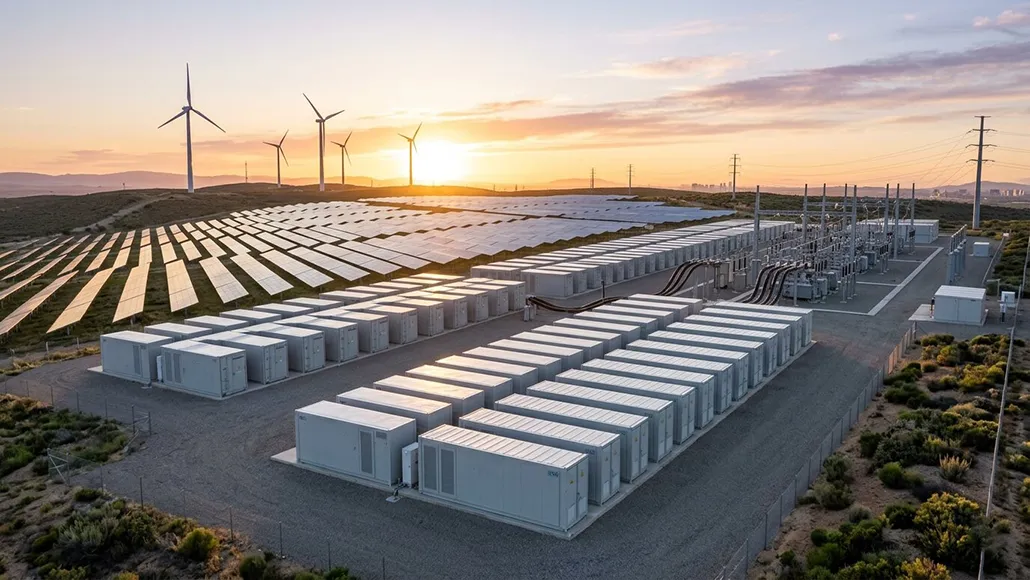
Currently the workhorse of the energy storage industry, lithium-ion batteries offer high energy density, efficiency, and a relatively fast response time. They are ideal for short-to-medium duration applications (typically 2-6 hours) like frequency regulation, peak shaving, and deferring transmission and distribution upgrades. Their modularity allows for scalable deployment, from residential systems to massive utility-scale storage facilities connected directly to the grid.
Pumped Hydro Storage (PHS)
The most mature and widely deployed form of grid-scale energy storage, PHS accounts for over 95% of the world’s operational storage capacity. It uses surplus electricity to pump water uphill to a reservoir when power is needed, water is released, flowing downhill through turbines to generate electricity. PHS offers very long duration storage (hours to days) and massive capacity, making it excellent for baseload balancing, though it is geographically constrained and has significant upfront capital costs and environmental considerations.
Flow Batteries
Flow batteries, such as vanadium redox or zinc-bromine systems, store energy in external electrolyte tanks, which are pumped through a cell stack where electrochemical reactions occur. Their power and energy capacities are decoupled, allowing for flexible scaling. Flow batteries are particularly promising for long-duration applications (6+ hours) and offer excellent cycle life, safety, and the ability to retain their full capacity over many years. Their larger footprint and lower energy density compared to lithium-ion are trade-offs.
Thermal Energy Storage
Thermal storage captures heat or cold for later use. In grid applications, this often involves molten salts in concentrated solar power (CSP) plants, which store solar heat to generate electricity even after sunset. Other forms include storing heat for industrial processes or district heating, which can effectively utilize off-peak electricity. While not directly generating electricity for the grid, it can reduce electrical demand, thus acting as a form of storage.
Mechanical Storage Systems
This category includes technologies like compressed air energy storage (CAES) and flywheels. CAES uses surplus electricity to compress air into underground caverns or tanks. When power is needed, the compressed air is released through a turbine to generate electricity. CAES offers long-duration potential. Flywheels store kinetic energy by accelerating a rotor to high speeds. They provide very rapid response times and are excellent for short-duration grid services like frequency regulation, though their energy capacity is limited.
Economic and Environmental Advantages of Robust Energy Storage
The integration of renewable energy storage brings a multitude of benefits that extend beyond simply enabling more solar and wind. These advantages manifest across economic, operational, and environmental dimensions.
Enhancing Grid Efficiency and Reducing Costs
Energy storage systems significantly improve grid efficiency by optimizing the use of existing transmission and distribution infrastructure. By strategically deploying utility-scale storage at congested points, grid operators can defer or even avoid costly upgrades to power lines and substations. Storage also enables arbitrage, buying electricity when prices are low (e.g., during peak solar generation) and selling it when prices are high (e.g., during evening peaks), thereby reducing overall system operating costs and potentially lowering consumer electricity bills. The ability to perform grid balancing and provide ancillary services (like voltage support) adds further value, creating new revenue streams for storage owners.
Fostering Energy Independence and Resilience
A diversified energy portfolio with significant renewable and storage components reduces reliance on volatile fossil fuel markets and vulnerable international supply chains. This enhances national energy security and independence. Furthermore, distributed battery storage systems can provide critical backup power during outages, improving grid resilience against extreme weather events, natural disasters, or cyberattacks. Microgrids incorporating renewables and storage can operate independently from the main grid, providing reliable power to critical infrastructure or remote communities. This localized resilience is a key driver for continued investment.
Accelerating Decarbonization and Air Quality Improvements
The most profound environmental benefit is storage’s role in accelerating the clean energy transition. By making solar and wind dispatchable, storage displaces fossil fuel generation, leading to substantial reductions in greenhouse gas emissions and air pollutants. This translates directly into improved public health outcomes, especially in urban areas often impacted by emissions from conventional power plants. The synergy between renewables and storage offers a powerful, scalable solution to meet climate targets and cultivate a healthier planet for future generations.
Navigating Challenges and Forging Future Pathways
Despite the immense promise and accelerating progress, the energy storage boom is not without its challenges. Addressing these will be critical for sustaining its trajectory and realizing its full potential.
Supply Chain and Raw Material Constraints
The rapid increase in demand for battery technologies, particularly lithium-ion, raises concerns about the supply chain for critical raw materials like lithium, cobalt, nickel, and graphite. Geopolitical factors, ethical sourcing practices, and the environmental impact of mining are all considerations that require careful management. Diversifying raw material sources, investing in responsible mining practices, and scaling up recycling infrastructure are essential to ensure a sustainable future for battery energy storage.
Siting, Permitting, and Social Acceptance
Deploying large-scale utility-scale storage projects, especially those involving extensive land use or potentially hazardous materials, can encounter challenges related to siting, permitting, and public acceptance. Effective community engagement, transparent environmental impact assessments, and clear safety regulations are crucial for navigating these hurdles and ensuring that projects proceed smoothly. The perceived risks, though often manageable, must be addressed proactively to gain local support.
The Path Forward: Innovation and Integration
The future of energy storage lies in continuous innovation, not just in battery chemistry but also in system integration and intelligent controls. Research into next-generation technologies like solid-state batteries, sodium-ion batteries, and long-duration hydrogen storage will expand the range of viable solutions. Furthermore, advancements in artificial intelligence and machine learning will optimize the operation of storage systems, enhancing their efficiency and ability to provide complex grid services. The integration of storage with smart grids, electric vehicles, and demand-side management programs will create a highly flexible and resilient energy ecosystem. The collaborative effort between researchers, policymakers, industry, and communities will be vital in overcoming current obstacles and forging a truly sustainable energy future where storage acts as the steadfast anchor for our renewable aspirations.
The energy storage boom is far more than a technological trend it is a fundamental re-imagining of how electricity grids operate, enabling a future where clean, renewable power is not just possible but reliably abundant. As costs continue to fall and technologies advance, energy storage will increasingly empower the global solar and wind expansion, ensuring grid stability, maximizing clean energy utilization, and accelerating our urgent journey towards a sustainable, decarbonized world.