








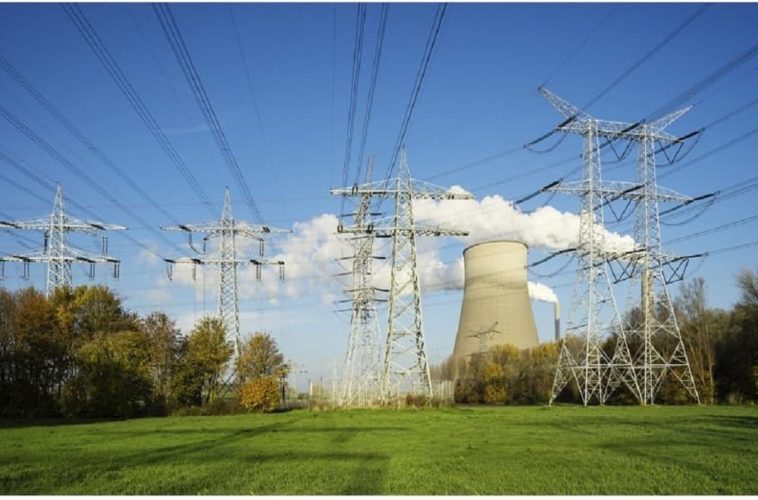



South Asia took a decisive step toward deeper grid connectivity on 15 June 2025, when Nepal initiated exports of 40 megawatts (MW) of electricity to Bangladesh through India’s transmission network. This development followed a trilateral agreement signed in October 2024 and a ceremonial launch marked by token trading in November 2024. The operationalisation of this framework enables seasonal electricity flows between the three countries for the next five years, signalling a shift toward a more integrated grid across the region. At present, cross-border electricity trade has largely remained confined to bilateral arrangements, making this trilateral mechanism a notable progression in regional grid cooperation.
Despite strong economic growth and rising energy demand, South Asia continues to be one of the least interconnected regions globally. Grid interconnection is currently limited to the Bangladesh, Bhutan, India, and Nepal (BBIN) subregion, with ongoing discussions to link Sri Lanka’s system to India. Within this framework, electricity trade has expanded steadily over the years. What began as government-to-government (G2G) exchanges between India and Nepal in the 1970s, and India and Bhutan in the 1980s, evolved significantly after the interconnection of India and Bangladesh’s grids in 2013. Since then, cross-border electricity trade in the BBIN subregion has nearly tripled from 7.8 terawatt hours (TWh) in 2013 to 21 TWh in 2024, alongside a rise in trading capacity from 1400 MW in 2010 to 5273 MW in 2023. Power Gen Advancement identifies these developments underline the growing importance of an integrated grid in facilitating efficient power flows.
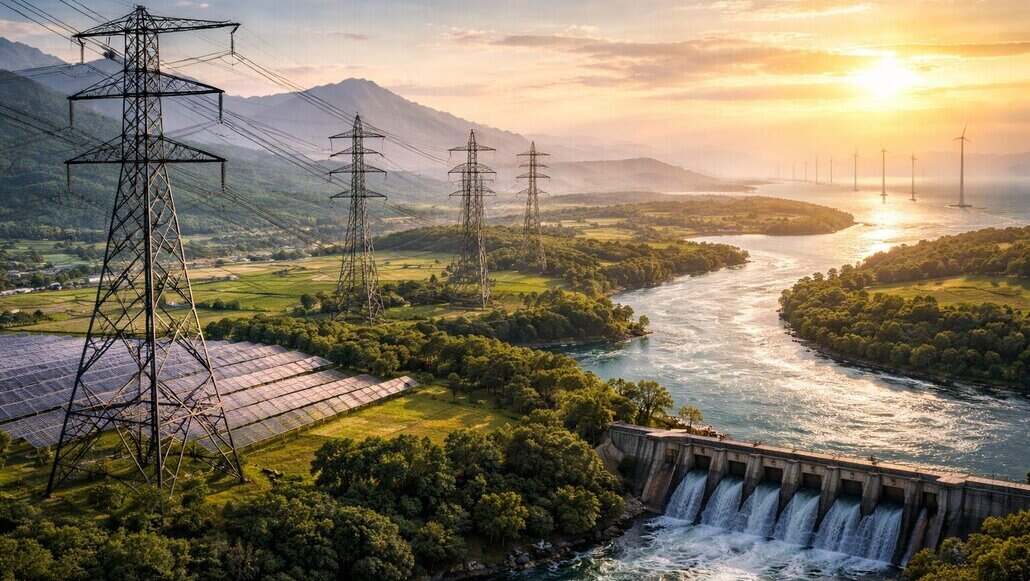
The rationale for a regionally integrated grid is grounded in resource optimisation and system efficiency. South Asia possesses significant and diverse energy potential, including over 350 gigawatts (GW) of hydropower, 1,000 GW of solar, and 1,289 GW of wind capacity. By interlinking national grids, countries can tap into these complementary resources, balance supply and demand, and reduce reliance on carbon-intensive generation. Such integration also minimises the need for maintaining costly reserve capacity. Estimates from the South Asia Regional Initiative for Energy Integration (SARI/EI) programme suggest that Bangladesh, India, and Nepal could collectively save US$17 billion in capital expenditure through efficiency gains linked to integration. Additionally, a 2017 World Bank study projected potential savings of US$94 billion and an 8 percent reduction in greenhouse gas emissions between 2015 and 2040, reinforcing the long-term value of an integrated grid.
Beyond cost efficiencies, grid integration enhances system resilience and energy security. Diversified energy sources and interconnected networks enable countries to respond more effectively to demand fluctuations and external shocks. Such flexibility highlights how an integrated grid can stabilise regional power systems while supporting broader clean energy transitions and long-term sustainability goals.
Despite measurable progress, several constraints continue to limit the full potential of CBET, which is estimated at 43.8 GW by 2043 according to SARI/EI. Transmission bottlenecks remain a primary challenge, with many interconnections operating near capacity and new projects facing delays due to financing constraints, right-of-way issues, and cost-sharing disagreements. Regulatory fragmentation and uneven market maturity further complicate integration, while geopolitical tensions and shifting political dynamics add uncertainty. Investment requirements are substantial, with projections running into hundreds of billions of dollars, yet private sector participation remains limited due to concerns around risk and returns. Public perception and institutional capacity also play a critical role in shaping outcomes. Nonetheless, continued bilateral and trilateral cooperation signals resilience and a growing commitment to regional integration. As South Asia advances toward deeper collaboration, strengthening infrastructure, aligning policies, and building institutional frameworks will be essential to unlocking the benefits of an integrated grid. Power Gen Advancement is of the opinion that integrated grids are vital for achieving a resilient and sustainable energy future.