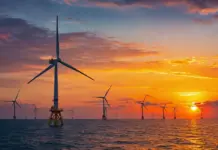






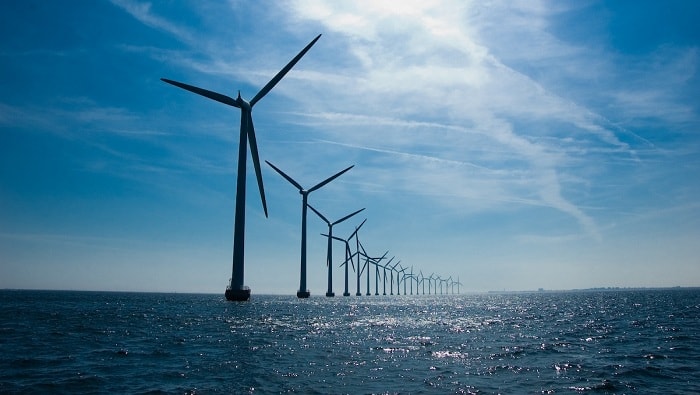


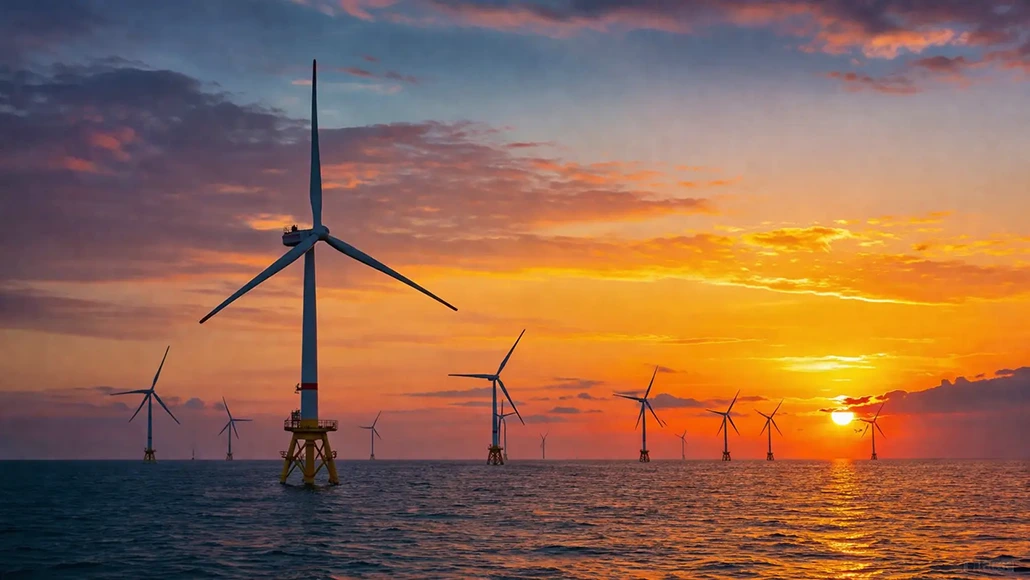
France is set to launch a major round of offshore wind tenders, targeting the development of 10 new projects, with successful bidders expected to be named by late this year or early 2027. The initiative forms a central part of the country’s broader clean energy strategy. Structured to deliver a combined 10 gigawatts (GW) of capacity, the programme will be split evenly between 5 GW of turbines fixed to the seabed and 5 gigawatts of floating installations. Spanning seven designated zones across the English Channel, Atlantic Ocean and Mediterranean Sea, the offshore wind tenders will also introduce conditions aimed at strengthening domestic and European manufacturing, reducing dependence on Chinese components.
The rollout of these offshore wind tenders comes at a challenging moment for the sector. Developers continue to face mounting pressure from rising equipment and financing costs, alongside ongoing construction hurdles. In addition, parts of the industry have been affected by US project cancellations ordered by President Donald Trump. Despite these headwinds, France remains committed to its long-term climate objectives, including achieving carbon neutrality by mid-century. While the government is backing new nuclear developments, its renewable expansion plans have drawn criticism from opposition groups such as Marine Le Pen’s National Rally ahead of next year’s presidential elections. At the same time, ambitions for solar and onshore wind expansion have been scaled back.
Officials have framed the tender as a strategic move to strengthen industrial capabilities. The tender will help “consolidate our industry for bottom-fixed wind, and to become the leader of the floating wind industry,” Maud Bregeon, minister delegate for energy affairs, said in a presentation in Paris on Thursday.
Under the outlined framework, a maximum of four out of nine strategic components of the turbines and up to 50% of their permanent magnets can be supplied from China, she said, without elaborating. According to a government statement, developers awarded contracts through the offshore wind tenders are expected to secure a guaranteed power price of less than €100 ($115) per megawatt hour. Authorities also noted lessons from last year’s failed auction off Oleron island, which will be reintroduced in the upcoming process.
Recent project outcomes highlight the cautious stance among investors. The government awarded a 1.5-GW project to TotalEnergies SE last year after receiving only two bids, reflecting industry concerns over escalating costs that have led some developers to record losses or abandon large-scale investments. Electricite de France SA, the other bidder, continues to deal with construction delays in a Channel-based offshore wind farm and has sought revised government support for a Normandy project. France currently operates nearly 2 gigawatts of offshore wind capacity, with an additional 5.6 GW under construction or development. The country aims to reach 15 GW by 2035 and 45 GW by 2050, enough to meet around 20% of national electricity demand. Alongside this, the government confirmed additional tenders for solar and onshore wind this year, including measures to curb reliance on China for critical solar components.