




The European Union, along with its lending arm, the European Investment Bank, is all set to roll out a suite of new funding facilities in order to support energy infrastructure fundings, as per a draft document that has been seen by Reuters.
Apparently, the plans are being developed as the EU leaders go on to face mounting pressure to decrease the energy costs for households, in addition to European industries, according to whom hefty bills go on to mean that they cannot compete globally.
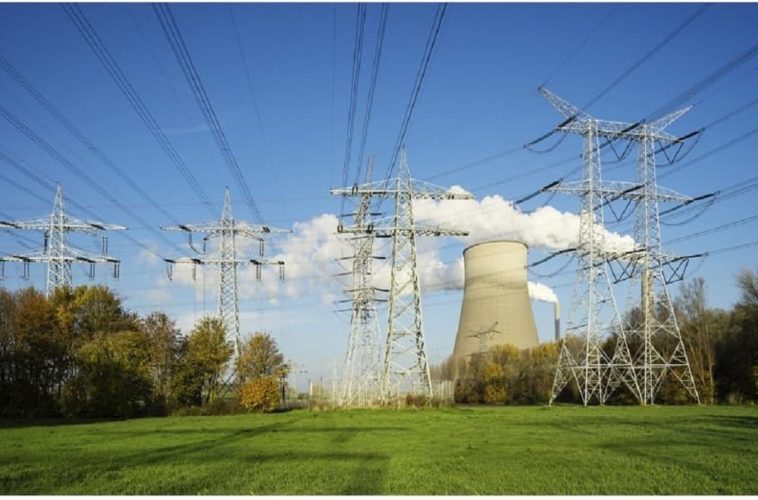
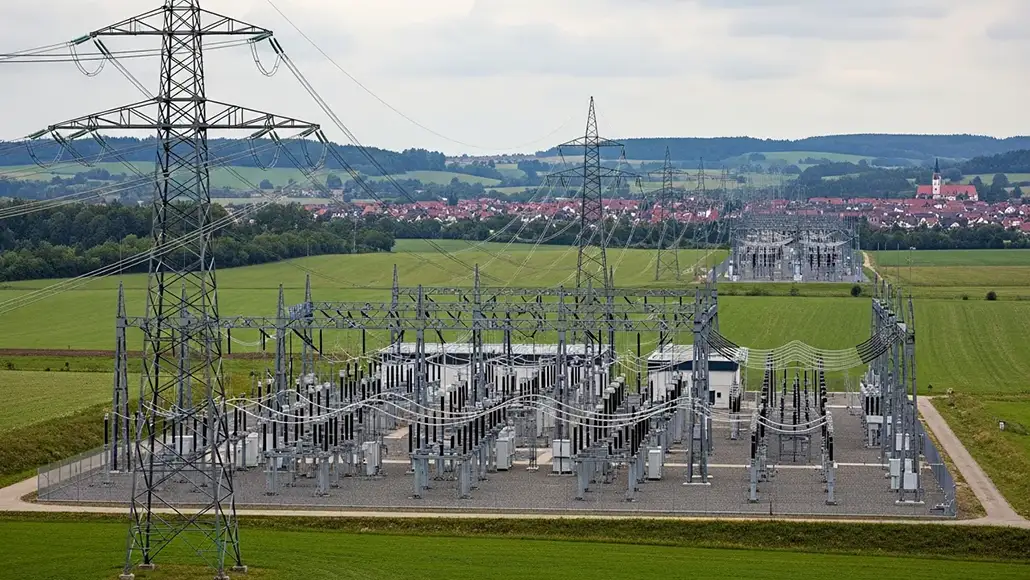
As per a draft European Commission strategy, which has been seen by Reuters, the EIB has gone ahead and outlined plans in order to mobilize more private investment as far as the energy sector is concerned, where investments when it comes to power grids as well as energy-saving renovations often fall short of levels that are required to meet the goals set for EU climate and energy.
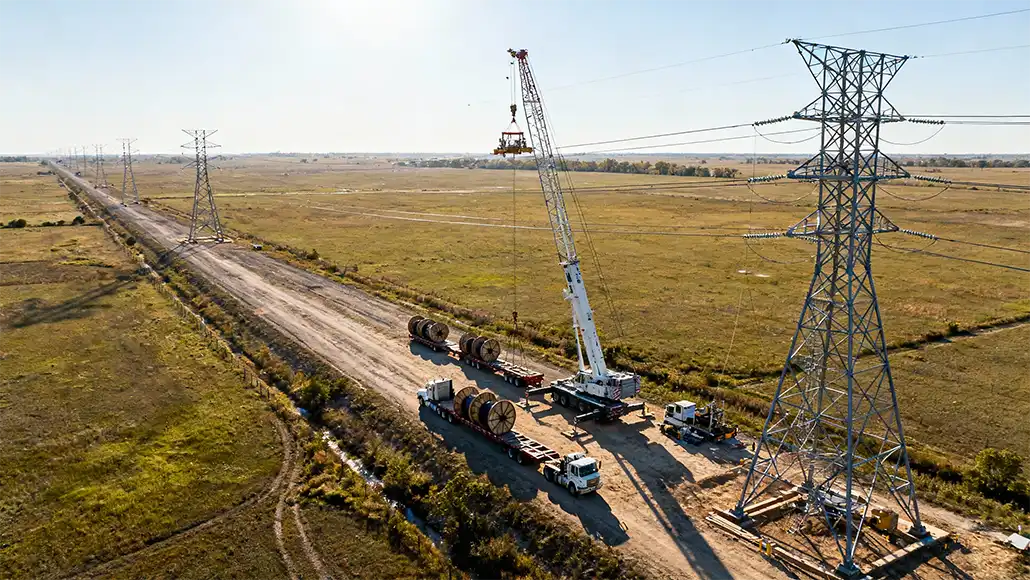
As per a planned loan securitization scheme, the EIB is going to go ahead and facilitate the transfer of current loans from balance sheets of the banks, thereby freeing up lending capacity when it comes to new loans. At present, concentration limits of some banks prevent them from lending more to the power grid operators, confirmed the document.
It is worth noting that a second facility would go ahead and offer off-balance sheet financing through turning the value of future revenue streams from the grid operators into upfront cash so that they can go ahead and access more financing when it comes to large infrastructure upgrades.
The draft confirms that there are many operators who frequently face liquidity issues along with limited room as far as traditional debt is concerned.
In addition to this, another scheme would also go on to raise the EIB guarantees to banks so that they can lend to certain small energy distribution grid operators, and this in a way would also be of great help to small operators clubbing together to form joint ventures in order to standardize the financing terms, which usually are off-limits to such small players.
Notably, the draft document was not specific on the size of the new facilities, which could as well change before the Commission publishes the plan in March 2026, with some facilities anticipated to be brought to the fore in 2026 itself and some in the forthcoming year.
A spokesperson for the EIB said: “The EIB stands ready to work closely with the European Commission to accelerate energy infrastructure fundings in Europe’s energy security and green transition.”
Interestingly, the EIB invested 33 billion euros across energy projects in Europe in 2025, which itself is a record high.