







The European Commission has authorized a €150 million Romanian Electricity Storage Scheme designed to strengthen electricity storage capacity and support the objectives of the Clean Industrial Deal. The measure, which aligns with the EU’s broader push toward a net-zero economy, was approved under the Clean Industrial Deal State Aid Framework (CISAF) adopted by the Commission on 25 June 2025. Through this decision, the Commission confirmed that the program complies with EU State aid regulations and contributes to Europe’s energy transition strategy.
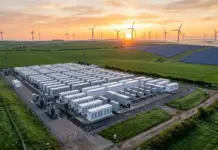
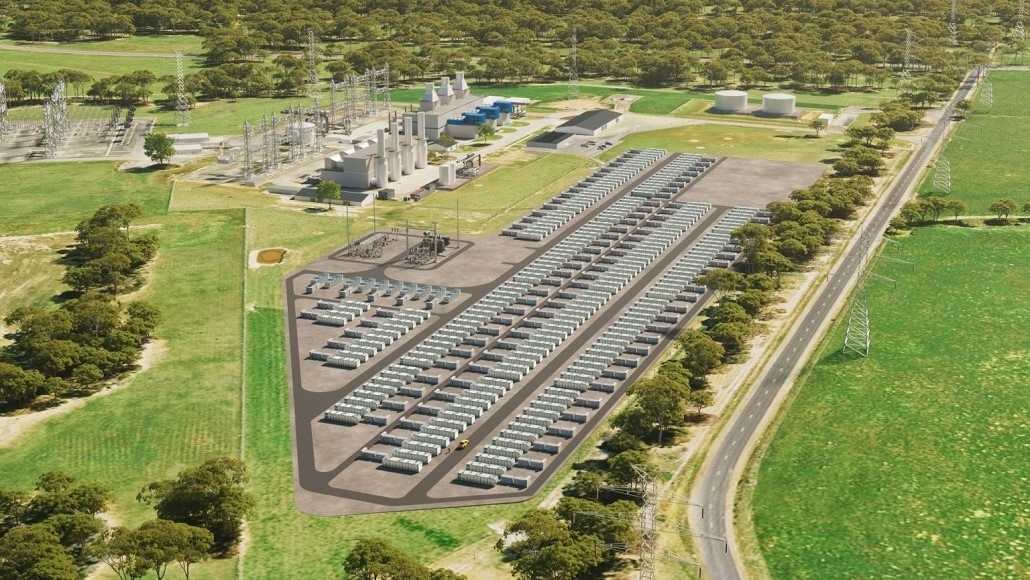
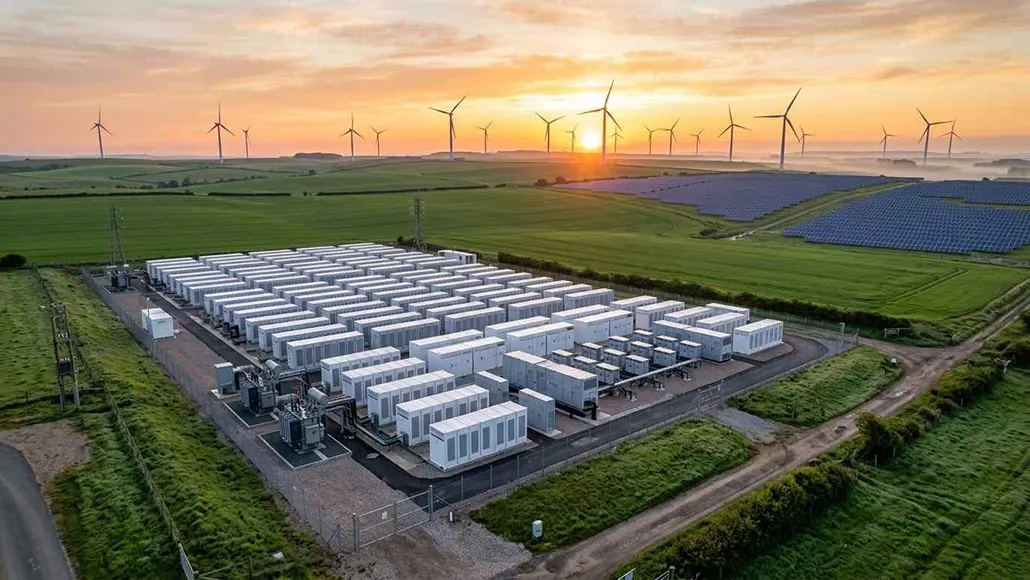
Under the Romanian Electricity Storage Scheme, Romania notified the Commission of its plan to allocate €150 million to support the installation of at least 2,174 MWh of new electricity storage facilities. The initiative is intended to help integrate variable renewable energy sources more effectively into the national electricity system by expanding storage capacity. Financial assistance will be delivered as investment aid through direct grants for new standalone battery energy storage systems. Funding for the scheme will come from the EU Modernisation Fund, while beneficiaries will be chosen through a competitive tendering procedure. The Romanian Electricity Storage Scheme therefore aims to ensure that renewable generation can be incorporated smoothly into the country’s electricity network while supporting the broader goals of the Clean Industrial Deal.
The Commission’s assessment concluded that the Romanian Electricity Storage Scheme meets the conditions outlined in the CISAF framework. Specifically, the aid will be awarded through a structured program with a defined budget and expected project volume. Support will be distributed via competitive bidding, and all aid must be granted before 31 December 2030. Based on these criteria, the Commission determined that the scheme is necessary, appropriate and proportionate to help accelerate the transition toward a net-zero economy while encouraging the development of economic activities that support the implementation of the Clean Industrial Deal. This decision is consistent with Article 107(3)(c) of the Treaty on the Functioning of the EU and the provisions detailed in the CISAF.
The CISAF framework itself was introduced by the Commission on 25 June 2025 to encourage Member States to deploy support measures in sectors essential for achieving a net-zero economy. It allows several categories of aid until 31 December 2030, including measures to accelerate renewable energy deployment and low-carbon fuels, as well as schemes supporting electricity storage.
The framework also enables temporary electricity price relief for energy-intensive users to prevent industrial relocation while the EU electricity system undergoes decarbonisation. In addition, it permits support for the decarbonisation of industrial processes through electrification, energy efficiency and renewable or electricity-based hydrogen. The CISAF further allows investment support for clean technology manufacturing projects aligned with the Net Zero Industry Act, including batteries, solar panels, wind turbines, heat-pumps, electrolysers, and carbon capture usage and storage. Initiatives designed to de-risk private investments in clean energy, industrial decarbonisation and circular economy projects are also welcome.