





Whole-house solar generators are rapidly becoming the object of attention in response to the increasing energy prices, environmental issues, and the demand of cleaner energy. They are being looked upon as to be more than backup systems by many homeowners and policymakers that are on the verge of coming up with a new wave of energy projects that are transforming the way we generate and use electricity.
However, what is it that makes a whole house solar generator a new energy project? What is its place in the worldwide transformation of renewable energy? Let us see the concept at length.
What a Whole-House Solar Generator Is.
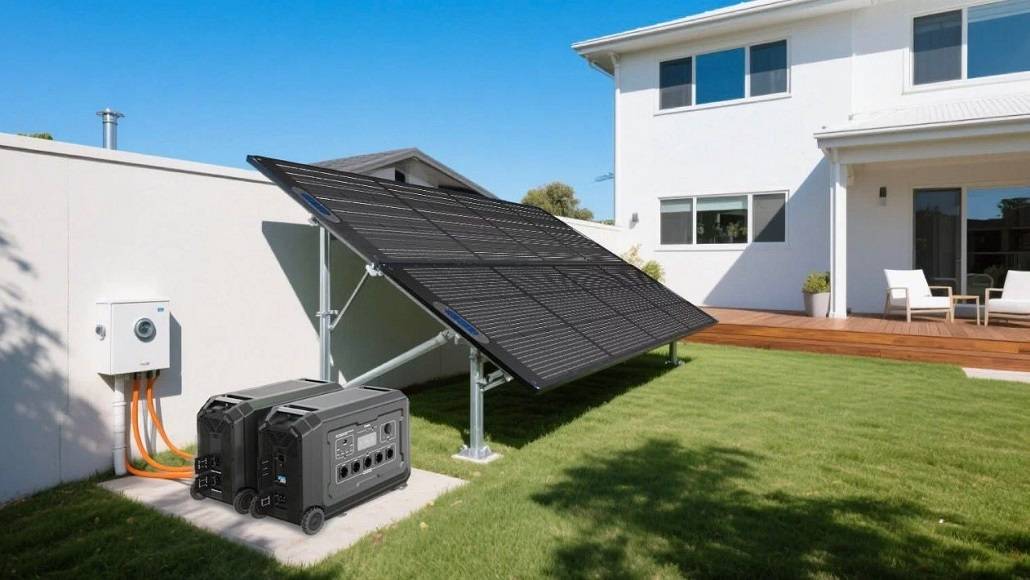
Whole-house solar generator is a system that consists of a combination of a set up that produces energy that can be used to power a whole house with the help of the sun. Compared to small portable generators or the traditional fuel-powered generators, a solar generator is a solar-powered generator, which transforms sunlight into electricity by using solar panels, stores it in batteries, and provides clean energy to indoor appliances via an inverter.
The key components include:
- Solar panels to trap the sun rays.
- Charge controllers to control supply of energy.
- Storage storage (high capacity batteries- lithium or lead-acid).
- Converters to power DC to AC.
These systems may be used as the backup source of power in the case of blackout or as the main source of power in off-grid houses.
The Solar Power Surge: An International Change.
To determine the reason why whole-house solar generators are viewed as a novel energy project, one should look at the larger picture, which is the global energy transition.
The world has over the last ten years shifted its back on fossil fuels and is investing in renewable fuels. In specific solar power, with the cost reduction, government subsidies and better technology, the increase in solar power has been exponential.
The International Energy Agency (IEA) argues that solar energy is the cheapest source of electricity in most of the world today. The residential solar systems (including whole-house generators) are one of the main components of this renewable revolution. They enable the homeowners to generate their energy, lessen the reliance on the centralized grids, and make the world a cleaner place.
The reason why a Whole-House Solar Generator is a New Energy Project.
Conventionally, energy projects defined massive infrastructural projects – power stations, dams, or wind turbines. The definition has, however, changed. Every single household solar installation is a small yet significant energy project in its own right in the current climate of decentralization of energy.
The new definition of a solar generator applies to a whole-house solar generator in a number of ways:
It Produces renewable energy.
The system also produces clean electricity using solar power instead of using fossil fuel. This helps in generating renewable energy at the micro scale i.e. one household at a time.
It Promotes Energy Independence.
Home owners can reduce their dependency on national grids by generating and storing their power. This autonomy is life transforming in places where power outages are common.
It Interuses Smart Energy Systems.
Solar generators that are used today are frequently linked with smart home. They are able to track energy consumption, maximize battery life and even sell back excess power to the grid using net metering.
It Promotes Sustainable Development Goals (SDGs).
Implementation of home-based renewable systems is in line with the UN Sustainable Development Goal 7- delivering affordable, reliable and sustainable energy to everyone.
It Stimulates the Green Economy.
Each of the solar projects would result in development of renewable energy employment opportunities- in the manufacturing sector, installation and maintenance sector- new employment opportunities in the clean energy sector.
The Technology of the Project.
It is not merely a token gesture to refer to a whole-house solar generator as a new energy project: it is based on the high-tech and engineering innovation.
The Battery Storage: The Heart of the System.
The greatest improvement is in the field of energy storage. Lithium iron phosphate(LiFePO4) batteries are safer, more efficient and longer-lasting than the older type of lead-acid batteries that were used in the modern systems. Others have a duration of more than 10 years or 6,000 charge cycles.
Smart Power Management
Most solar generators have become equipped with artificial intelligence power management systems. These systems have the ability of automatically switching to solar, battery and grid power and ensure maximum efficiency at a minimal cost.
Scalability and Modularity
Whole-house generators can be increased with additional panels or batteries, unlike permanent solar systems. This flexibility has made them fit into homes of different varieties: small cabins and big houses.
Environmental Advantages: A Greener Way Forward.
The solar generators in their entirety offer great benefits to the environment and become an unavoidable part of the clean energy movement.
- Zero Emissions: Solar energy does not emit any greenhouse gases.
- Less Air Pollution: As compared to generator types (diesel, gas etc.), solar generators do not produce any toxic gases.
- Reduced Carbon Footprint: A solar generator swamps tons of CO2 off during its lifetime, as opposed to fossil fuels.
Saving of Natural Resources: Solar generators ensure sustainable power consumption; this is because renewable sunlight is used as opposed to non-renewable fuels.
Any installation, regardless of the size, will help in reducing global emissions.
Economic and Practical Benefits.
In terms of finances, a solar generator can provide significant payoffs in the long term.
Energy Cost Savings
As soon as it is installed, the solar energy is free. It can save or even end the monthly utility bills drastically based on the size and usage of the system.
Insurance against Electricity Failures.
Unpredictable weather and grid instability have made backup Portable Power Station 5000w very desirable. Whole-house generators are used to be sure that your lights do not go off and your refrigerator does not turn off even in case of a blackout.
Increasing Property Value
The houses with renewable energy systems are highly sold and appealing to the environmentally conscious consumers.
Rebates and Government Incentives.
Additional attempts to enhance the affordability of solar systems include tax credits, subsidies, or net metering benefits, which many countries provide to install solar systems.
- Initial Cost: The initial investment would be between 3000 and 15000 dollars in terms of capacity.
- Weather Dependence: Solar generation performance is reduced on a cloudy or rainy day.
- Battery Degradation: Despite the fact that the modern batteries are durable, they still wear out.
- Space Considerations: The installation of solar panels needs to have a decent amount of space on a roof (or a yard) facing the sun.
Even with these obstacles, there is rapid rise in the applicability and affordability of solar generators due to technological advancements and the decreasing costs.
The Future of whole-house solar generators.
With the transition to decentralized energy networks in the world, systems such as whole-house solar generators will become central.
It is estimated that by 2030, millions of homesteads will be functioning as mini-power generators, generating and storing their own clean power. These systems, together with the development of energy storage, intelligent grids, and AI-controlled energy control, may change the very face of power generation.
Governments and the private sectors have already begun to invest heavily in this transition and this is an indication that this transition towards the home-based renewable energy projects is not merely a trend but the future.
Conclusion
Whole-house solar generator is, therefore, a new energy project?
Absolutely.
It symbolizes the future of energy innovation personalized, sustainable and scalable. Every house implementing this technology will be a part of wider renewable system, which will make the environment cleaner and more stable energy system.
With the active development of solar technologies, these systems will no longer be considered as some additional equipment or even an auxiliary device, but a mandatory part of the new energy environment – these systems will serve homes, communities and the entire world transition to a sustainable economy.