

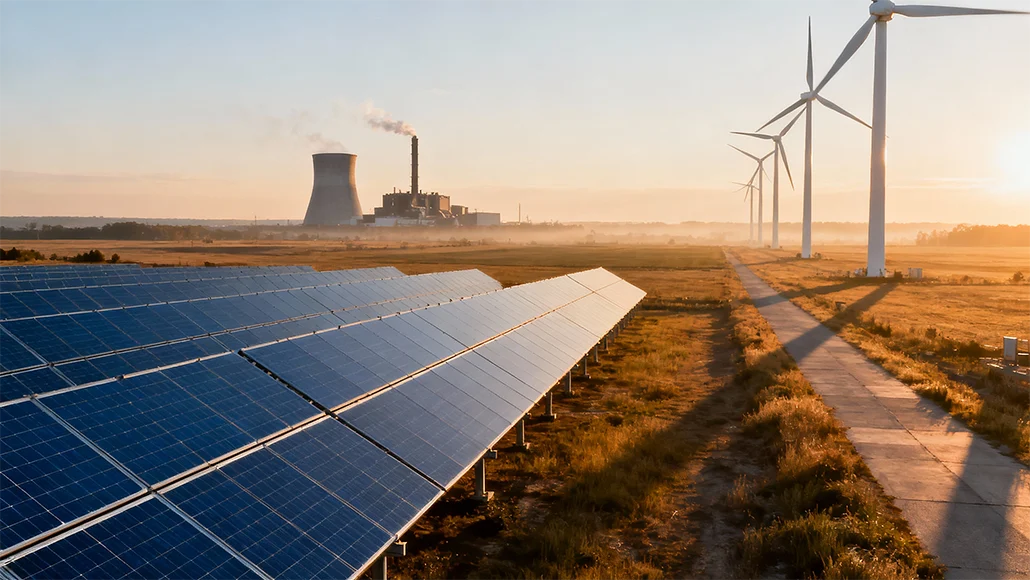







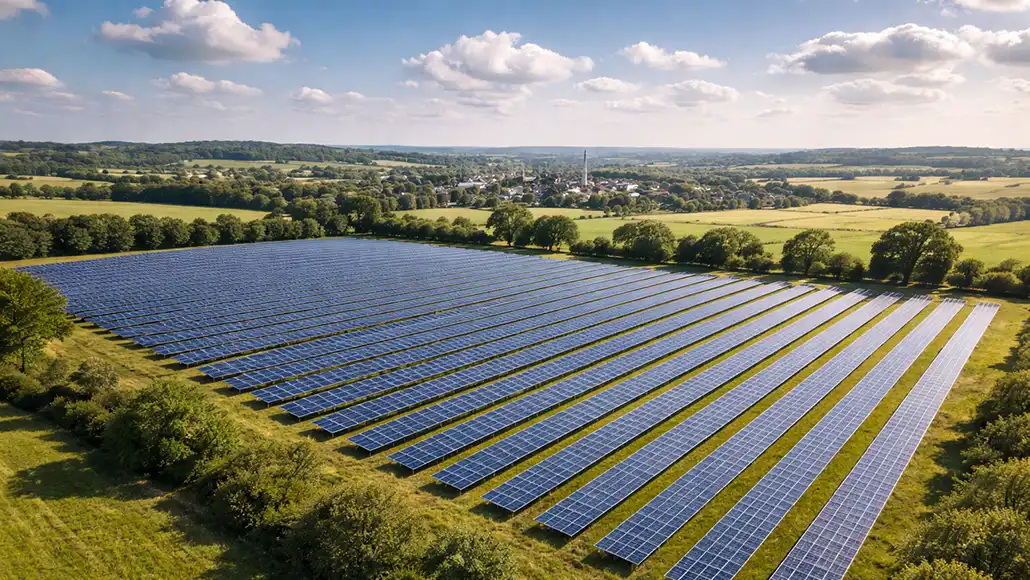
In what can be termed as a recent move, there are more solar farms on the way around the UK, which apparently is all set to boost its clean power targets; however, it could as well spark anger from the local opponents.
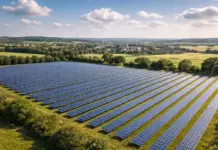
It is worth noting that the government has awarded contracts to a record supply of renewables projects, which includes the likes of 157 solar developments spread throughout England, Scotland, and also Wales.
The outcomes, notably, have been welcomed by the climate and clean energy groups, who go on to consider solar as a comparatively cheaper way so as to reduce the reliance of the UK on fossil fuels across the summer months.
However, there are some local communities that have opposed such large developments on their doorstep.
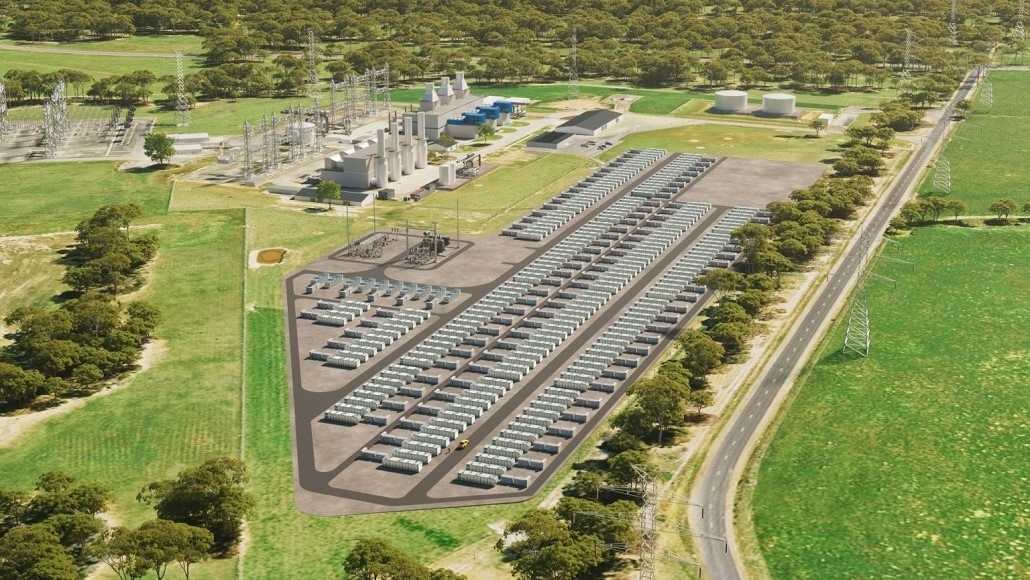
It is well to be noted that as part of the record supply of renewables projects, West Burton solar farm, which has been planned for the Lincolnshire and Nottinghamshire border, has gone on to become the largest ever to go ahead and win a government contract. The local opponents, on the other hand, fear that all this could as well cause mass industrialization when it comes to the countryside.
Interestingly, all of the solar projects had already been granted planning permission and are currently due to be delivered over the next few years.
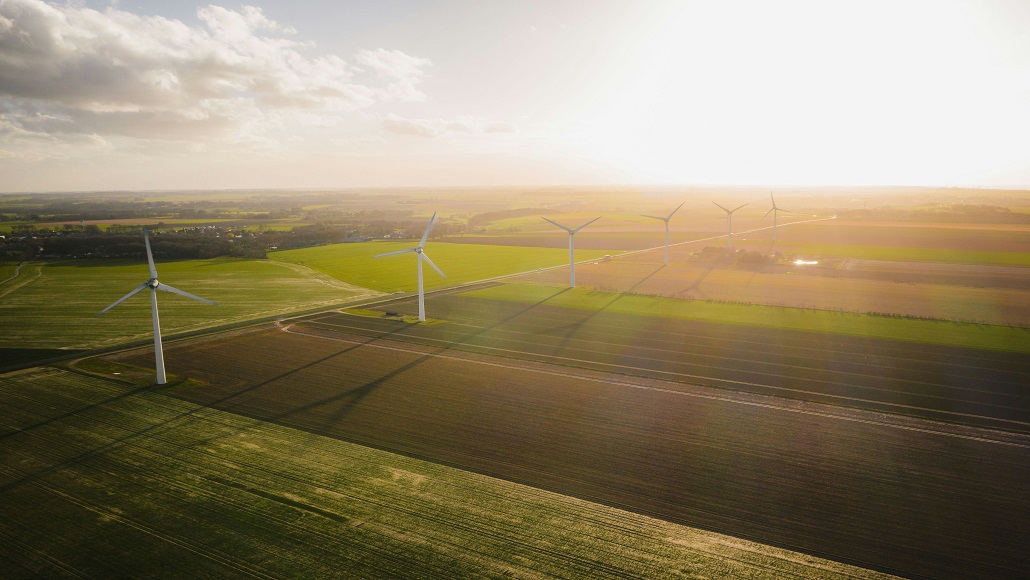
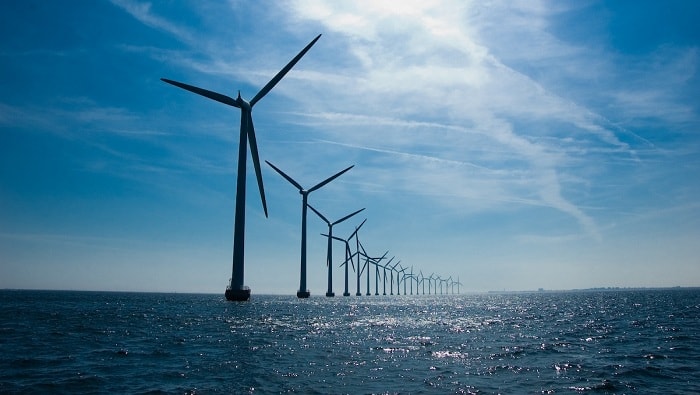
Apart from this, other renewable energy projects that have been awarded the contracts include onshore wind, mainly located in Scotland, and also a small number of tidal power developments.
It was in January 2026 that the government went on to announce contracts when it comes to a record supply of offshore wind, which has been pretty widely seen as a major element of the future clean power system in the UK.
By the end of this decade, the government is looking for a minimum of 95% of Great Britain’s electricity to come from clean sources, such as renewables like solar and wind, along with nuclear energy.
Although solar energy cannot be depended upon throughout the year, for instance, on short and cloudy winter days, it can indeed go ahead and complement wind power, especially at the time of the summer months when the wind speeds are much lower.
It was in 2025 that solar energy provided over 6% of electricity to Great Britain, thereby rising to over 40% for a small number pertaining to half-hour periods in July.
Notably, the government is targeting 45-47 GW of solar power capacity by 2030 in order to help meet its clean power targets, hence in a way potentially rising to 54-57 GW with extra rooftop solar.
All this is going to be up from 21 GW as of autumn 2025, according to the government figure, but the solar industry does put the present capacity at 24 GW.
It must also be taken into consideration that the government also looks forward to having more batteries along with other storage systems in order to be able to make use of solar energy, that too outside of the sunny periods.
The string of solar farms goes on to secure another 4.9 GW of capacity throughout the 157 projects, which apparently is higher as compared to the 3.3 GW throughout the 93 projects in the previous auction that was held in 2024.
The fact is that the results have been pretty widely welcomed by clean energy groups and are regarded to be a major step forward as far as the solar industry is concerned.
But there are most analysts who interestingly still have serious doubts on whether the government is going to meet its 2030 clean power objectives, given the number of renewables projects that still require building and also connecting to the grid.
The solar and onshore wind projects that are awarded contracts have been allocated a guaranteed price for 20 years for solar and wind in this auction and also linked to inflation. That kind of certainty is designed to reassure the developers that they are going to get a return when it comes to their upfront investment.
The solar projects are awarded a fixed price of £65 per megawatt-hour of electricity that has been generated when it comes to 2024 prices. This is down from the £70/MWh that was awarded at the last auction in 2024, and also in 2024 prices.
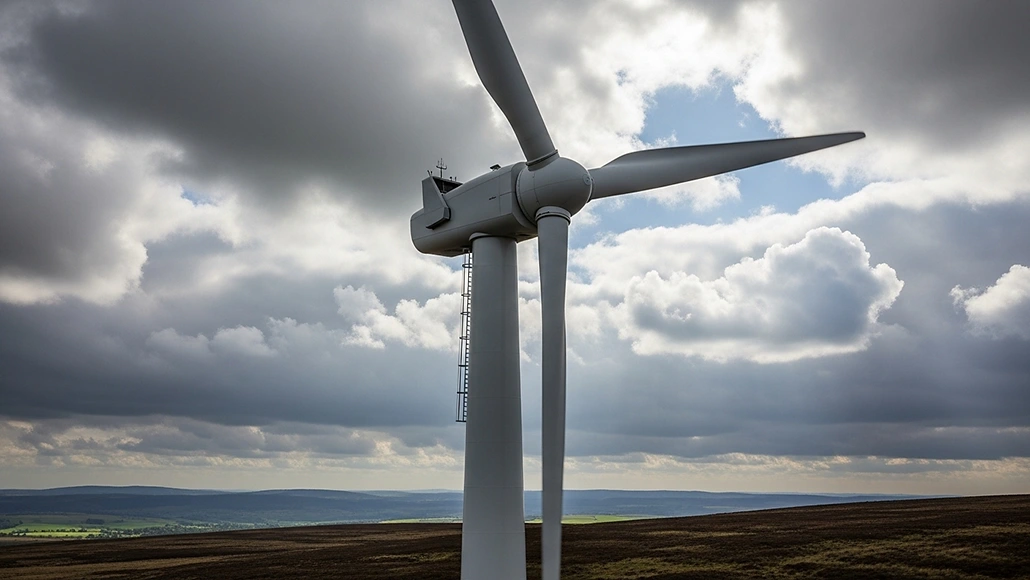
Around 1.3 GW of onshore wind projects have also been awarded contracts. They have grown slightly in price, to £72/MWh, which is up from £71/MWh in the last auction, both in the 2024 prices.
It is worth noting that these projects can very well end up raising or even, for that matter, lowering household bills, partly depending upon how they compare to the price of electricity as far as the wholesale market is concerned. The point here is that the wholesale market prices are mostly driven due to gas today.
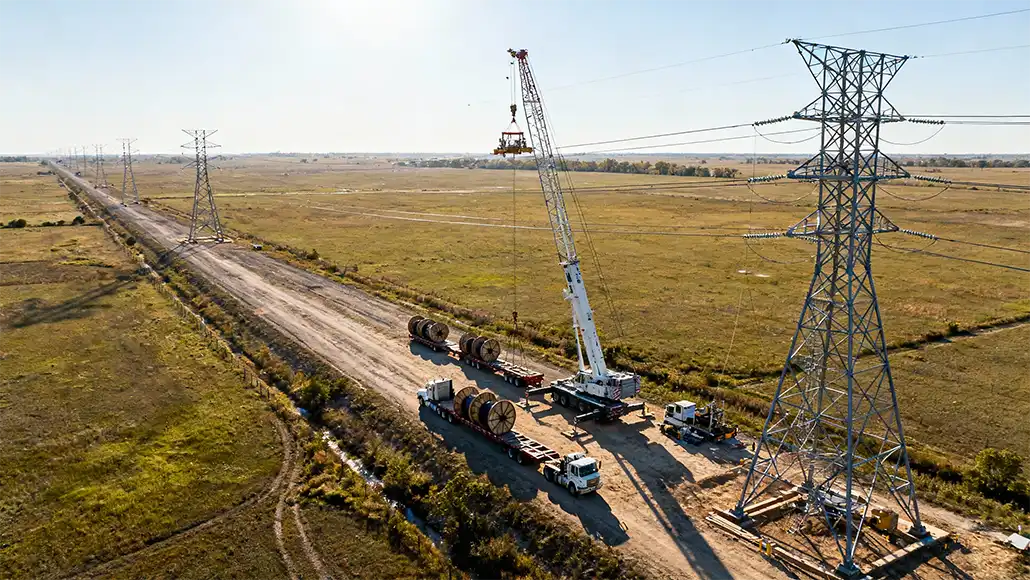
However, the final impact on bills is quite challenging to calculate, as it depends on the future gas prices, upgrades in the grid, and how much the demand for electricity grows, among certain other factors.
As per the government, solar and wind prices happen to be much cheaper as compared to the alternative of building or fueling a new gas power plant.
Ed Miliband, the UK Energy Secretary, said, “By backing solar and onshore wind at scale, we’re driving bills down for good and protecting families, businesses, and our country from the fossil fuel rollercoaster controlled by petrostates and dictators.”
On the other hand, shadow energy secretary Claire Coutinho opined, “Ed Miliband is loading more and more wind and solar on to the grid before the grid can handle it.
“The true cost of this power, once you add in network charges and backup, is far higher, so all this will do is make our electricity even more expensive,” she claimed.
Apparently, Reform UK has also gone on to question the cost of and need when it comes to net zero. Meanwhile, the Lib Dems and the Greens are wanting an expansion of renewables around the country in order to tackle the threat that’s coming from climate change and, at the same time, boost green jobs; however, there are some councillors who have gone on to raise certain local objections.
The SNP goes on to support renewables and has long argued for Scotland to have control when it comes to its energy resources. Plaid Cymru says that it does recognize the requirement to have a range of renewable technologies; however, it has opposed some large solar farms that are covering the agricultural land.
In addition to this, there are a small number of contracts that have also been awarded to tidal power projects. They are indeed pretty costly, but the government looks at them as an investment in a technology that could as well become cost-effective in the times to come and would also boost green jobs.