















As the global energy sector pivots toward hydrogen as a primary medium for decarbonization, the imperative for robust safety frameworks has never been more critical. Hydrogen is an exceptional fuel with a high energy density by mass, but it possesses physical and chemical properties that differ significantly from the natural gas and coal that have dominated the industry for a century. Establishing and adhering to hydrogen power systems safety standards is not merely a regulatory requirement; it is the foundation upon which public trust and industrial viability are built. A safe hydrogen ecosystem requires a multi-layered approach that encompasses material selection, equipment design, real-time monitoring, and a fundamental shift in workforce safety culture.
Physics of Hydrogen Safety: Diffusion and Flammability
To understand the necessity of specialized safety protocols, one must first appreciate the unique behavior of hydrogen molecules. Hydrogen is the lightest element, with a high diffusivity that allows it to escape through even the smallest leaks. More importantly, it has a very wide flammability range between 4% and 75% in air and an extremely low ignition energy. This means that a static spark or even the heat from a standard light bulb can ignite a hydrogen leak. Therefore, hydrogen power systems safety standards emphasize the importance of “ventilation first” designs, ensuring that any escaped gas is quickly diluted and safely dispersed before it can reach an explosive concentration.
Designing for Leak Prevention and Management
In a utility-scale power plant, the miles of piping and thousands of valves represent potential failure points. Safety standards mandate the use of high-integrity seals and welded connections wherever possible to minimize the risk of fugitive emissions. For areas where mechanical joints are necessary, such as around turbine inlets or compressor stations, double-block-and-bleed valve configurations are often required. These systems provide a redundant barrier, ensuring that even if one valve fails, the hydrogen flow can be safely isolated. Furthermore, the layout of the plant must facilitate the natural upward buoyancy of hydrogen, avoiding “dead zones” where the gas could accumulate under roofs or in high corners.
Material Compatibility and Hydrogen Embrittlement
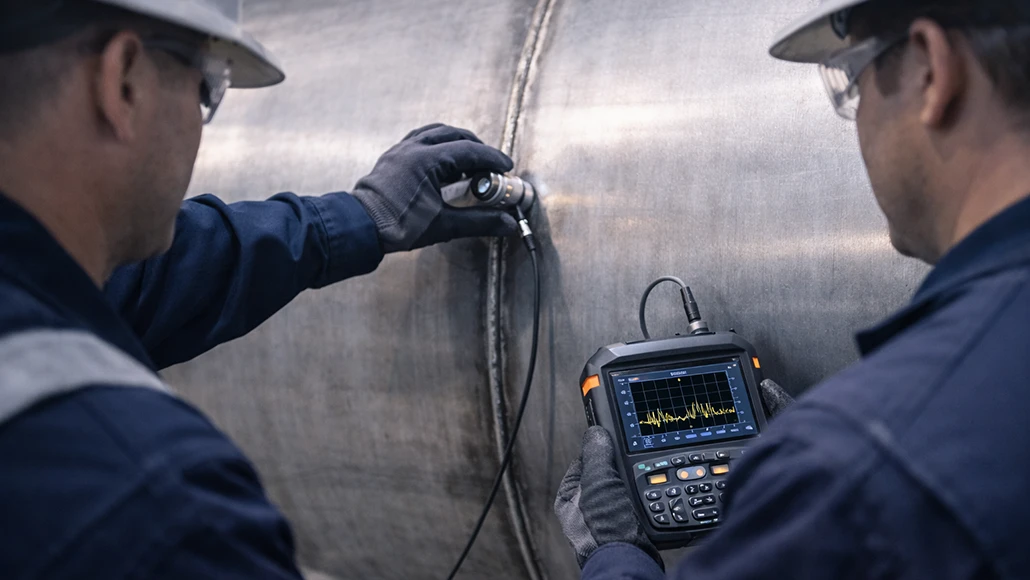
One of the most insidious risks in hydrogen operations is the degradation of structural materials over time. Hydrogen embrittlement occurs when hydrogen atoms diffuse into the crystal lattice of metals, particularly high-strength steels, causing them to become brittle and prone to sudden, catastrophic cracking. Hydrogen power systems safety standards provide detailed guidance on the selection of materials for high-pressure storage and transport. This often involves using specialized stainless steels, such as 316L, which have higher nickel and chromium content to resist hydrogen penetration. For existing assets being converted to hydrogen use, rigorous non-destructive testing (NDT) is required to evaluate the current state of the metal and predict its lifespan under hydrogen exposure.
Advanced Testing and Verification Protocols
Maintaining safety in a hydrogen environment requires a proactive approach to equipment health. This involves the use of advanced sensors that can detect micro-cracks before they reach a critical size. Acoustic emission testing, for instance, can “hear” the sounds of metal cracking deep within a pressure vessel or pipeline. These technologies are integral to hydrogen power systems safety standards, as they move the industry away from reactive maintenance toward a model of continuous verification. Every component, from the smallest O-ring to the largest storage tank, must be certified as “hydrogen-ready” by accredited third-party organizations to ensure compliance with international safety codes like ISO 19880 or ASME B31.12.
Comprehensive Monitoring and Detection Networks
In a modern hydrogen power facility, the human senses are insufficient for safety management. Hydrogen burns with a nearly invisible flame and has no odor. Therefore, the implementation of hydrogen power systems safety standards relies heavily on a dense network of electronic sensors. These include catalytic bead and electrochemical sensors for gas detection, as well as ultraviolet (UV) and infrared (IR) flame detectors. These systems are typically integrated into a Safety Instrumented System (SIS) that is physically and logically separate from the main plant control system. This ensures that in the event of a critical failure, the safety system can independently bring the plant to a “fail-safe” state, isolating fuel supplies and activating emergency ventilation.
Integrating AI and Predictive Analytics in Safety
The next frontier of hydrogen safety is the integration of artificial intelligence into monitoring networks. By analyzing historical data and real-time sensor inputs, AI algorithms can identify subtle patterns that precede a safety incident. For example, a slight change in the vibration signature of a compressor or a minor pressure fluctuation in a pipeline could indicate a developing leak. Hydrogen power systems safety standards are beginning to incorporate these predictive capabilities, allowing operators to intervene hours or even days before a failure occurs. This proactive stance not only enhances safety but also improves the overall availability and reliability of the power system.
Workforce Readiness and Safety Culture
The most advanced safety technology in the world is only effective if the people operating the plant are properly trained. Hydrogen power systems safety standards place a heavy emphasis on workforce development. This includes specialized training on the unique properties of hydrogen, emergency response drills tailored to hydrogen incidents, and the use of personal protective equipment (PPE) designed to resist static discharge. A robust safety culture encourages employees at all levels to report even minor anomalies without fear of repercussion, fostering an environment where safety is viewed as a collective responsibility rather than a set of rules imposed from above.
Emergency Response and Public Safety Coordination
Finally, safety standards extend beyond the plant gates. Utilities must work closely with local emergency services to ensure they have the equipment and knowledge necessary to handle a hydrogen-related incident. This includes providing specialized thermal imaging cameras to firefighters and training them on the specific tactics required for hydrogen fires, which cannot be extinguished with water alone. By establishing clear lines of communication and coordinated response plans, the industry ensures that hydrogen power systems safety standards protect not only the plant employees but also the surrounding community.
The safe operation of hydrogen-based power systems is the non-negotiable prerequisite for the energy transition. As we scale this technology, the implementation of hydrogen power systems safety standards provides the necessary guardrails to manage a powerful but demanding fuel. From the molecular level of material compatibility to the systemic level of emergency response coordination, every aspect of safety must be meticulously planned and rigorously executed. The unique properties of hydrogen its high buoyancy, wide flammability, and potential for embrittlement require a departure from traditional gas-handling practices. By embracing advanced monitoring technologies, AI-driven predictive analytics, and a culture of continuous learning, the power sector can ensure that hydrogen becomes a cornerstone of a clean and safe energy future. Ultimately, safety is not a destination but a continuous process of improvement, driven by engineering excellence and an unwavering commitment to protecting human life and the environment.