











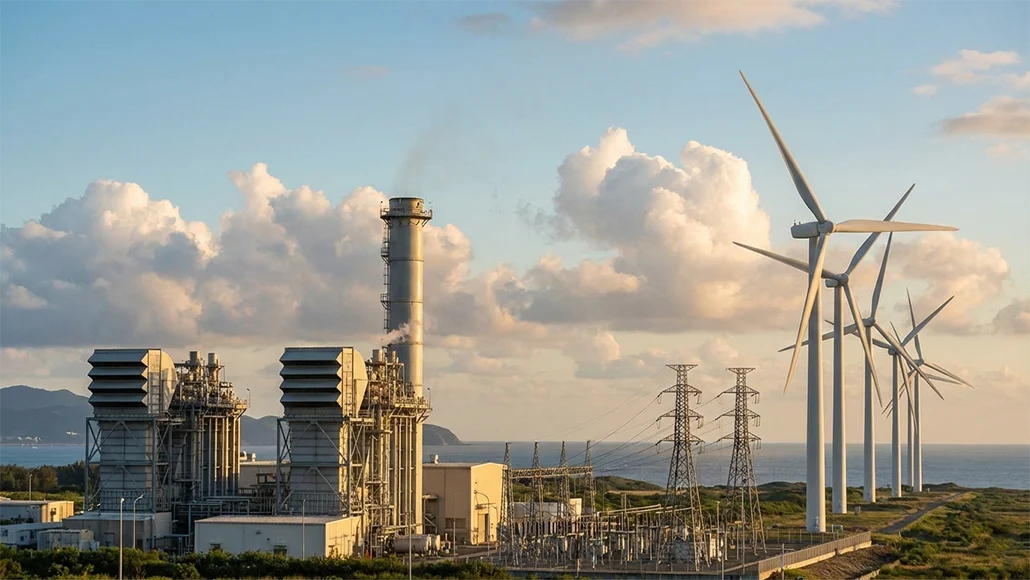
The global energy transition is currently navigating a delicate balance between the urgent need for decarbonization and the fundamental requirement for grid reliability. While the ultimate goal for many power producers is a 100% renewable or carbon-free system, the path to that objective is paved with existing infrastructure that cannot be retired overnight. One of the most pragmatic and cost-effective methods for initiating this transition is the implementation of hydrogen blending for power assets. This strategy involves mixing increasing percentages of hydrogen into the natural gas supply of conventional thermal power plants. By doing so, utilities can immediately lower their carbon footprint without the massive capital expenditure required for complete equipment replacement, effectively using their current fleet as a bridge to the hydrogen economy.
The Thermodynamic and Chemical Implications of Fuel Blending
At the core of any blending strategy lies a complex set of thermodynamic challenges. Hydrogen is a significantly different molecule than methane, the primary component of natural gas. It has a lower volumetric energy density but a higher mass-based energy density. More importantly for combustion, hydrogen’s flame speed is nearly an order of magnitude faster than that of methane, and its adiabatic flame temperature is considerably higher. When we implement hydrogen blending for power assets, the combustion system must be carefully tuned to account for these shifts. If not managed correctly, the higher flame speed can lead to flashback, where the flame travels upstream into the burner nozzle, while the higher temperatures can increase the production of nitrogen oxides (NOx), potentially offsetting some of the carbon-reduction benefits.
Optimizing Burner Performance for Variable Fuel Mixes
The engineering required to manage these variable fuel mixes focuses on burner geometry and fuel-air mixing dynamics. Modern Dry Low NOx (DLN) burners are designed for the specific chemical kinetics of methane. As hydrogen is introduced, the mixing profile must be adjusted to maintain flame stability and keep the flame anchored in the secondary zone. Many manufacturers are now offering retrofit kits that allow existing burners to handle blends of up to 30% hydrogen with minimal modification. These upgrades often include enhanced sensors and control algorithms that can detect changes in fuel composition in real-time, allowing the turbine’s control system to adjust air intake and fuel pressure to maintain optimal performance.
Infrastructure Integrity and Material Compatibility
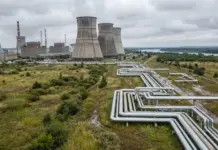
Beyond the combustion chamber, the entire fuel delivery system must be evaluated for its readiness. Hydrogen is the smallest molecule in the universe, which makes it prone to leakage through seals and joints that were previously considered gas-tight. Furthermore, the phenomenon of hydrogen embrittlement is a serious concern for the steel alloys commonly used in high-pressure gas pipelines and turbine components. Hydrogen blending for power assets necessitates a comprehensive audit of the metallurgical properties of all wetted parts. This includes evaluating valves, compressors, and metering stations to ensure they can handle the increased flow rates required to maintain the same energy output, as three times the volume of hydrogen is needed to provide the same energy as a single volume of natural gas.
Monitoring and Detection Systems for Hydrogen Leakage
Because hydrogen is odorless, colorless, and highly buoyant, traditional leak detection systems may not be sufficient. A robust blending strategy must include the installation of specialized hydrogen sensors at all potential leak points. These sensors are often integrated into a centralized plant monitoring system that can trigger automated shut-off valves in the event of a breach. Furthermore, the use of “digital twins” is becoming a standard practice for managing hydrogen blending for power assets. By creating a high-fidelity virtual model of the fuel system, engineers can simulate the impact of various blending levels on material stress and degradation, allowing for predictive maintenance schedules that prevent failures before they occur.
Economic Viability and Regulatory Compliance
The financial success of a hydrogen blending program is heavily dependent on the surrounding economic and regulatory environment. Carbon pricing mechanisms, such as those found in the European Union’s Emissions Trading System (ETS), provide a direct financial incentive to reduce emissions through blending. In regions without a high carbon price, the strategy may rely on government subsidies or “clean fuel standards” that mandate a certain percentage of carbon-free energy in the fuel mix. For many utilities, hydrogen blending for power assets represents a way to de-risk their portfolios against future carbon liabilities while maintaining the ability to provide dispatchable, high-inertia power to the grid.
Supply Chain Logistics and Sourcing Clean Hydrogen
The carbon intensity of the hydrogen itself is a critical factor. If the hydrogen is produced via steam methane reforming without carbon capture (grey hydrogen), the net carbon reduction of the blending strategy is negligible. Therefore, the long-term success of hydrogen blending for power assets is intrinsically linked to the availability of green or blue hydrogen. This creates a “chicken-and-egg” scenario where infrastructure must be built to handle hydrogen, but that infrastructure only provides value if a clean supply chain exists. Many forward-thinking utilities are entering into long-term power purchase agreements (PPAs) with green hydrogen producers to ensure a stable supply as they scale their blending percentages from 5% to 20% and beyond.
The Path Toward 100% Hydrogen Combustion
While blending is an effective interim solution, it is not the final destination. The experience gained through hydrogen blending for power assets is essential for developing the next generation of 100% hydrogen-fired turbines. These “hydrogen-ready” designs will build upon the lessons learned from blended operations, particularly in the areas of material selection and combustion control. As the cost of electrolyzers continues to fall and renewable energy becomes even more abundant, the transition from blending to pure hydrogen combustion will become a matter of economic optimization rather than technical feasibility.
Synthesizing Operational Data for Future Upgrades
Every hour that a plant operates on a hydrogen-natural gas blend provides invaluable data. Engineers are meticulously tracking metrics such as heat rate, exhaust gas composition, and vibration levels. This data is the foundation upon which future utility-scale hydrogen projects will be built. By carefully documenting the performance of hydrogen blending for power assets, the industry is creating a roadmap for a seamless transition to a fully decarbonized power sector. This phased approach minimizes risk, protects existing investments, and ensures that the lights stay on while we transform the very molecules that power our world.
The strategic integration of hydrogen into existing thermal assets represents a practical realization of the energy transition. Rather than a disruptive replacement of the entire energy landscape, hydrogen blending for power assets offers a modular and scalable pathway to decarbonization. It allows for the gradual accumulation of operational knowledge while delivering immediate environmental benefits. The technical hurdles, from managing higher flame temperatures to mitigating material embrittlement, are significant but increasingly manageable through modern engineering solutions and digital monitoring. As carbon markets mature and the cost of clean hydrogen declines, the economic rationale for blending will shift from an experimental pilot to an industry standard. Ultimately, this approach ensures that our existing power infrastructure remains a valuable component of the grid, providing the reliability we need while moving toward the carbon-free future we require. The success of this transition will be defined by the industry’s ability to innovate within the constraints of existing hardware, proving that the tools of the past can be successfully adapted for the needs of the future.