











The vision of a hydrogen-powered utility sector depends on much more than the availability of electrolyzers and hydrogen-ready turbines. It requires a complete reimagining of the logistical and physical networks that transport, store, and manage energy. For many companies, the development of hydrogen infrastructure for power utilities is the single most complex aspect of the transition to a net-zero future. This infrastructure must bridge the gap between large-scale renewable generation sites, which are often located in remote areas, and the industrial and residential centers where the energy is needed. Navigating this transition involves a combination of repurposing existing natural gas assets, building new dedicated hydrogen networks, and establishing a robust regulatory and safety framework.
The Logistics of Hydrogen Transport and Distribution
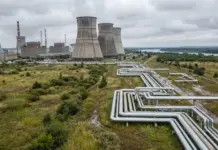
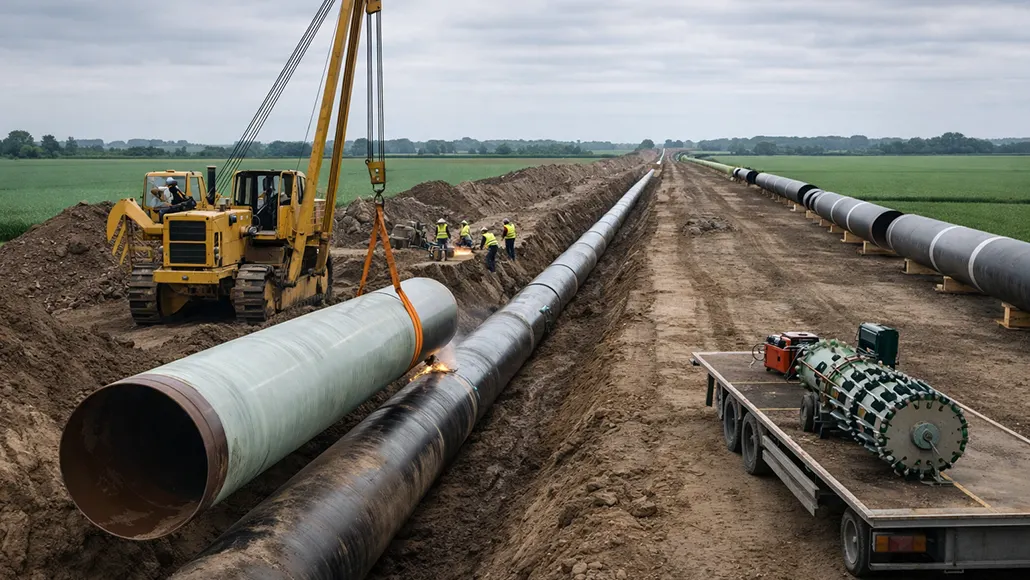
One of the primary challenges in developing hydrogen infrastructure for power utilities is the gas’s low volumetric energy density. To transport hydrogen efficiently, it must be either highly compressed or liquefied, both of which require significant energy and specialized equipment. The choice between pipeline transport and trucking depends on the distance and the volume of hydrogen required. For utility-scale applications, pipelines are the most cost-effective solution. These pipelines must be constructed from specialized materials to avoid hydrogen embrittlement and must feature advanced compression stations that can handle the unique thermodynamic properties of hydrogen.
Repurposing Existing Natural Gas Pipelines
A major focus of current research is the feasibility of repurposing the existing natural gas pipeline network for hydrogen. If successful, this would drastically reduce the capital expenditure required for hydrogen infrastructure for power utilities. However, this is not a simple “plug-and-play” solution. Many older pipelines are made of steel that is susceptible to cracking when exposed to pure hydrogen. Utilities are currently exploring “hydrogen blending,” where a percentage of hydrogen is mixed with natural gas in existing pipes. This serves as a vital first step, allowing the industry to gain experience and slowly decarbonize while the technology for 100% hydrogen pipelines is perfected.
Storage Solutions for Utility-Grade Resilience
Infrastructure is not just about moving hydrogen; it is also about keeping it available for when it is most needed. The development of large-scale storage is a cornerstone of hydrogen infrastructure for power utilities. Beyond the salt caverns discussed in the context of energy storage, utilities are also looking at pressurized tanks and liquid organic hydrogen carriers (LOHCs). LOHCs are particularly interesting because they allow hydrogen to be stored and transported as a liquid at ambient temperature and pressure using existing oil and gas infrastructure, such as tankers and storage tanks. This could provide a flexible and scalable way to manage hydrogen supplies across global networks.
The Role of Hydrogen Hubs in Infrastructure Design
To minimize the costs associated with transportation, many regions are adopting the “hydrogen hub” model. These are geographic clusters where hydrogen production, storage, and consumption are co-located. By concentrating these assets in one area, utilities can share the costs of hydrogen infrastructure for power utilities and reduce the length of pipeline networks required. These hubs are often located near industrial zones or deep-water ports, allowing for the easy import and export of hydrogen and providing a stable base of industrial demand that de-risks the initial investment.
Safety Protocols and Public Perception
Handling hydrogen on a utility scale requires a paradigm shift in safety protocols. Hydrogen is highly flammable and has a very wide range of explosive concentrations in air. Furthermore, its flame is nearly invisible to the naked eye. Developing hydrogen infrastructure for power utilities therefore involves the installation of advanced sensor networks that can detect leaks in real-time using acoustic, thermal, or chemical signatures. Public perception is also a critical factor; for hydrogen infrastructure to be successfully deployed, the public must be confident that it is as safe as, or safer than, the current natural gas system. This requires transparent communication and the rigorous enforcement of international safety standards.
Standardizing Regulatory and Legal Frameworks
The lack of a harmonized regulatory framework is currently a major barrier to the rollout of hydrogen infrastructure for power utilities. Issues such as pipeline access rights, hydrogen purity standards, and certification of origin must be resolved to create a functional market. Governments are currently working to establish “hydrogen valleys” where regulatory sandboxes allow utilities to test new technologies and business models in a controlled environment. These lessons will eventually be translated into national and international codes, providing the legal certainty that investors need to commit the billions of dollars required for infrastructure development.
Economic Incentives and Financing the Transition
The build-out of hydrogen infrastructure for power utilities is a capital-intensive undertaking with long payback periods. Traditional utility financing models must be adapted to account for the unique risks of this new asset class. Many projects are currently relying on public-private partnerships and government grants to bridge the “funding gap.” Furthermore, the development of “take-or-pay” contracts, where hydrogen producers or consumers guarantee a certain level of volume, can help de-risk the investment for pipeline and storage operators. As the market matures, we expect to see the emergence of dedicated hydrogen infrastructure funds and green bonds specifically targeted at these projects.
Digital Twins and AI in Infrastructure Management
The complexity of managing an integrated hydrogen and electricity grid is driving the adoption of advanced digital tools. Utilities are using “digital twins” virtual replicas of their physical assets to simulate the performance of hydrogen infrastructure for power utilities under different operating conditions. Artificial intelligence is being used to optimize the dispatch of hydrogen from storage, predict maintenance needs in pipelines, and manage the pressures within the network. This digital layer is essential for maximizing the efficiency and safety of the infrastructure and for ensuring that it can respond dynamically to the needs of the modern power grid.
The Long-Term Vision for a Hydrogen Economy
Looking forward, the development of hydrogen infrastructure for power utilities is about more than just decarbonizing electricity. It is about creating the backbone for a broader hydrogen economy that powers heavy industry, shipping, and aviation. The pathways being established today by power utilities will eventually serve as the superhighways for a new global energy system. This transition represents a generational shift in how we think about energy distribution. By moving from a centralized, fossil-fuel-based model to a distributed, hydrogen-centric one, utilities can provide a more resilient, secure, and sustainable future for everyone.
The infrastructure challenge is perhaps the most daunting aspect of the hydrogen transition, yet it is also the most rewarding. Without a robust way to move and store the gas, all the green hydrogen in the world will do little to help our power grids. Hydrogen infrastructure for power utilities is the bridge between potential and reality. It requires a massive coordination of engineering, finance, and policy. We are seeing a gradual evolution from small, localized projects to large-scale, interconnected networks. The lessons learned in the early stages whether it’s the nuances of pipeline material selection or the complexities of hydrogen hub management are forming the blueprint for a global energy revolution. As we move closer to 2050, these infrastructure pathways will become the defining feature of our energy landscape. They represent a commitment to a cleaner world and a recognition that the way we power our civilization must fundamentally change. The success of these projects will depend on our ability to innovate, collaborate, and invest in the long-term health of our planet. By building the hydrogen infrastructure for power utilities today, we are ensuring that the clean energy produced by the sun and wind can reach every corner of our society, providing the reliable and sustainable power that the 21st century demands.