

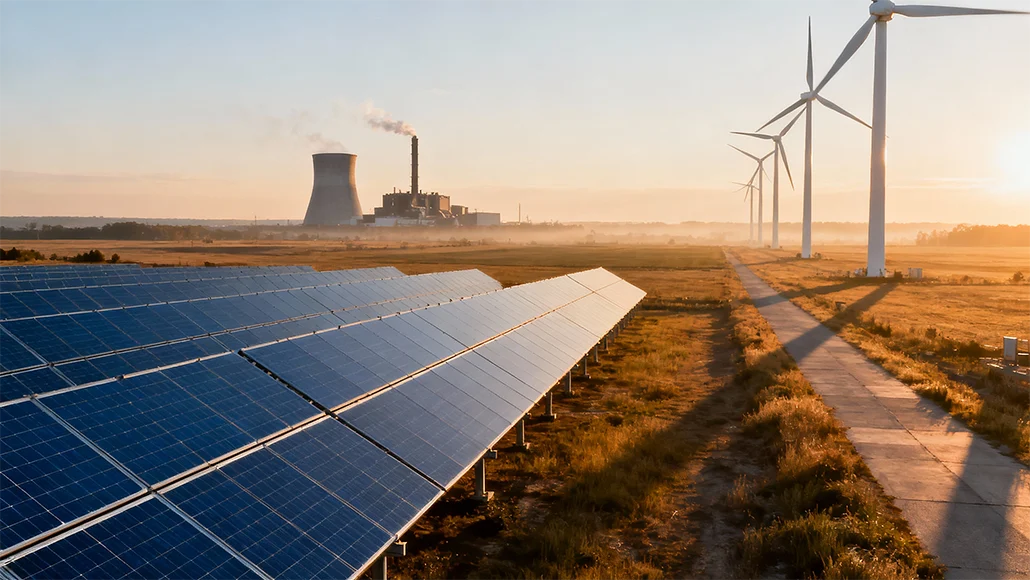


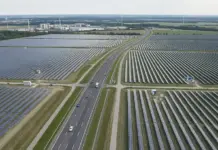

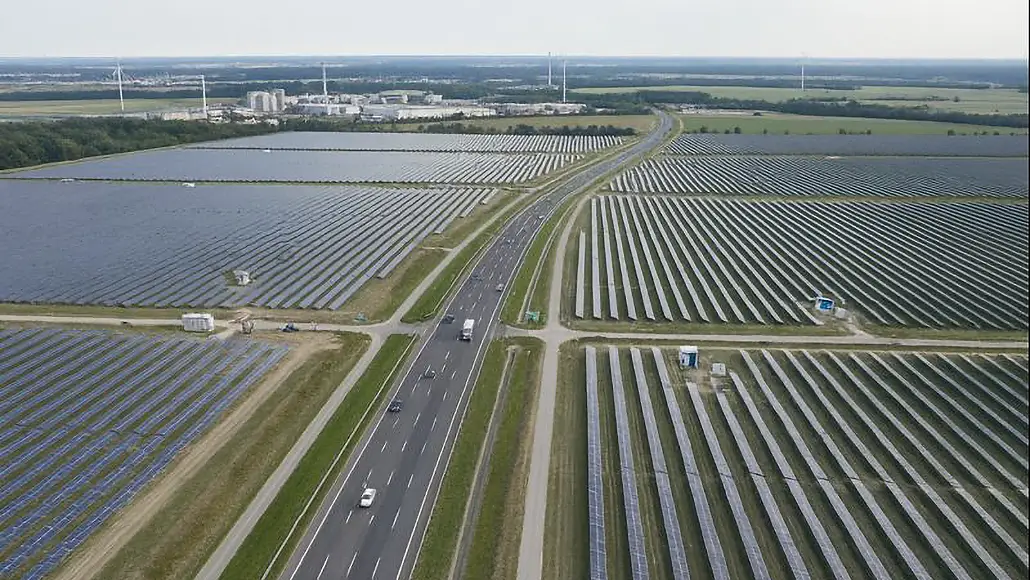
RWE has commissioned a major group of utility-scale solar farms along Germany’s A44n motorway, expanding renewable power generation on recultivated land in North Rhine-Westphalia. The solar farms along German motorways will strengthen the use of transport corridors for solar deployment. The newly operational installations have a combined installed capacity of 86.5 megawatts peak (74.6 MWac) and comprise approximately 141,000 photovoltaic modules. According to the company, the solar farms are capable of generating enough electricity to supply the annual consumption of around 27,700 households. The sites sit on both sides of the A44n between Bedburg and Jüchen, on land reclaimed from the Garzweiler opencast mine. They reflect how former lignite mining areas are gradually being repurposed for renewable energy use.
The commissioned projects represent the first phase of a broader solar development plan in the region. RWE is preparing a second expansion stage that would add a further 19.9 megawatts peak (15.5 MWac) through the installation of more than 30,600 additional solar modules in the municipal area of Jüchen. Subject to planning approval, construction for the next phase is expected to start in the first half of 2026, with commissioning aimed for the end of the year. The company said solar projects built alongside motorways often move through approvals more smoothly and tend to face less public resistance, helping speed up delivery and adding to the appeal of developing solar farms along German motorways.
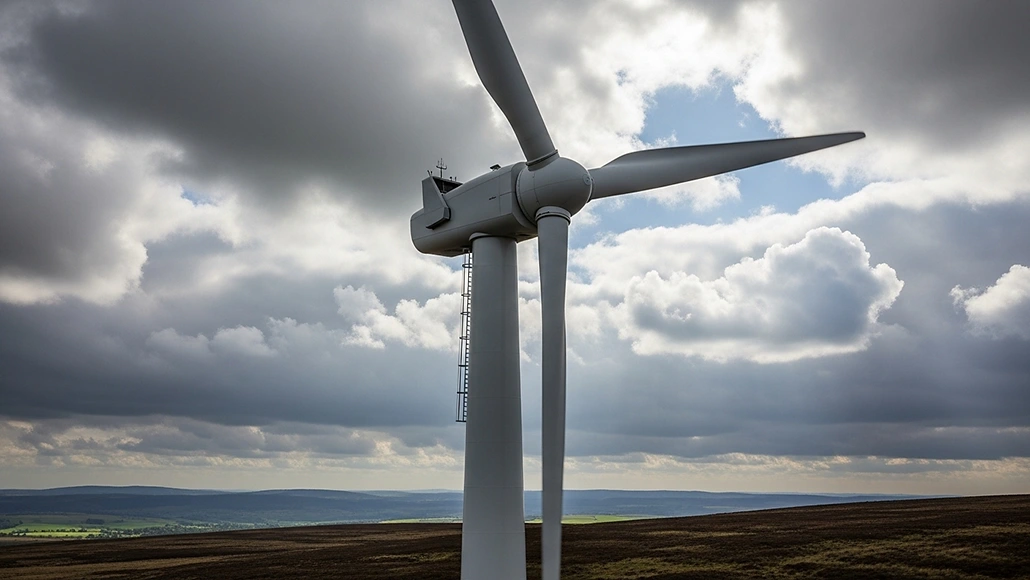
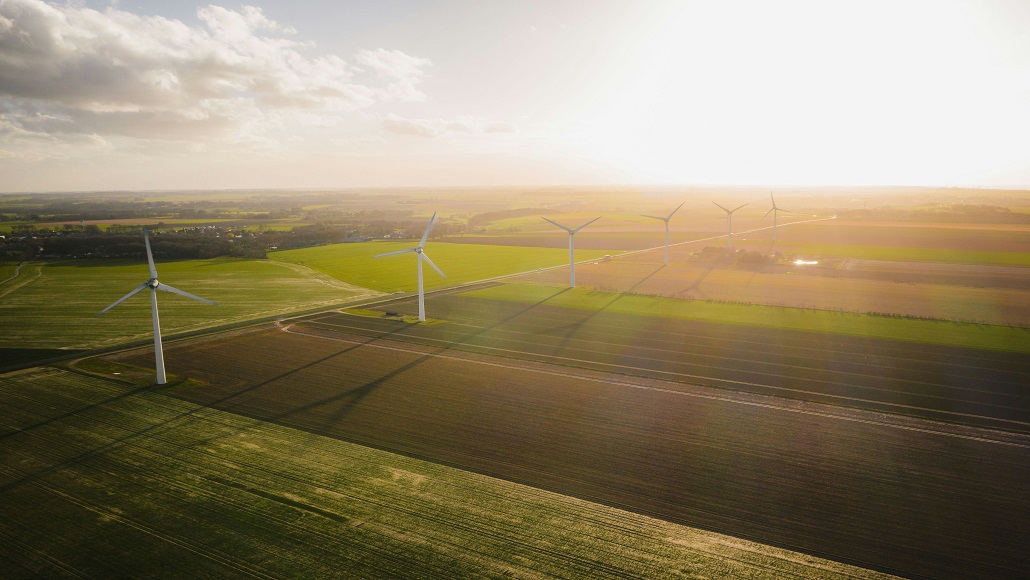
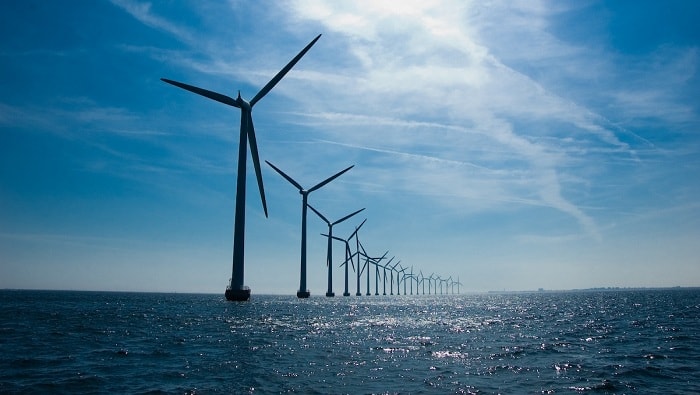
Beyond the solar installations, the motorway-adjacent sites form part of a wider renewable build-out by RWE in the Rhenish region. Nearby, the company is also developing the Bedburg 3 wind farm, which will comprise nine turbines with a total installed capacity of around 60 megawatts. Taken together, RWE’s wind and solar projects in the region amount to approximately 540 megawatts of combined capacity. These projects are being developed on recultivated land and are designed to leverage existing infrastructure, supporting grid integration while contributing to regional structural change following the phase-down of lignite mining.
“The solar and wind projects on recultivated land along the A44n emphasise that structural change and the expansion of renewables in the Rhenish lignite area are going hand in hand,” said Dr. Lars Kulik, CTO Lignite at RWE Power. RWE also noted that employees from its power division are involved in the construction and operation of renewable facilities, supporting the continuity of skills and employment in the region. The continued rollout of solar projects along German motorways reflects the company’s focus on putting reused land to work, taking advantage of nearby infrastructure, and steadily expanding renewable power within its wider energy transition strategy.